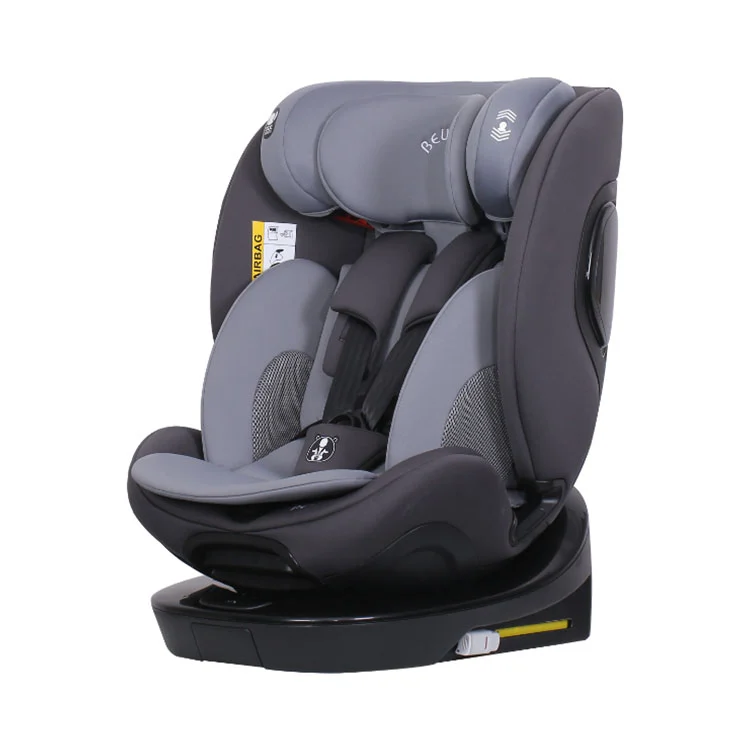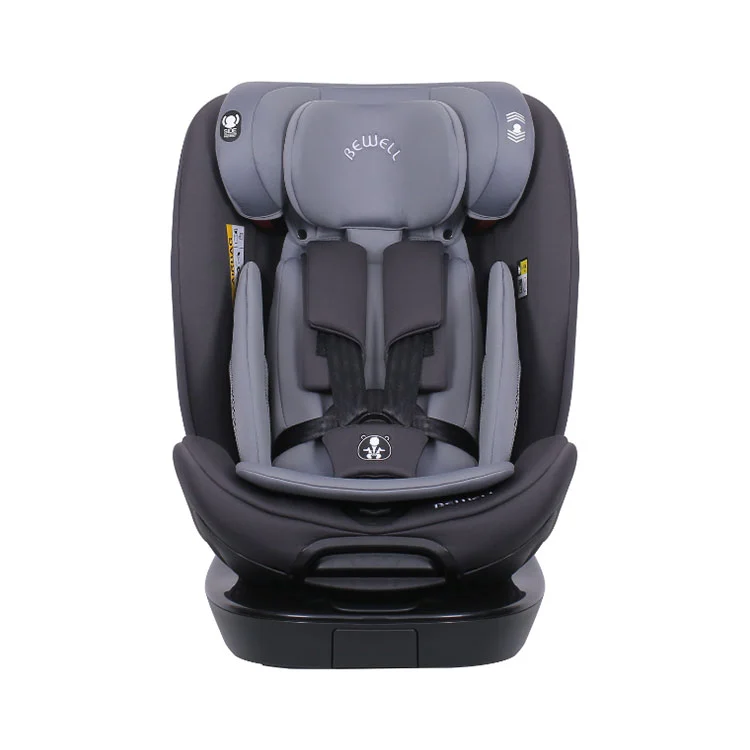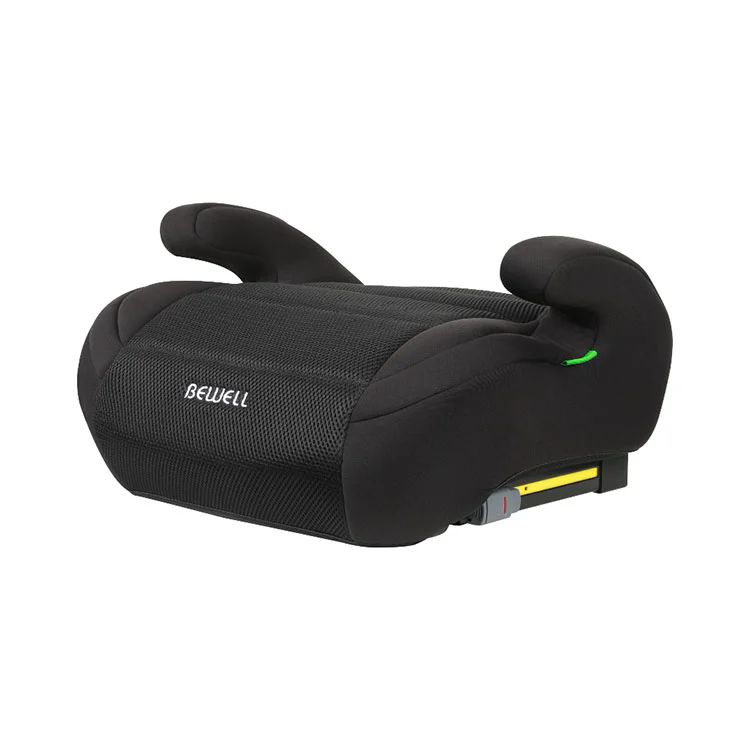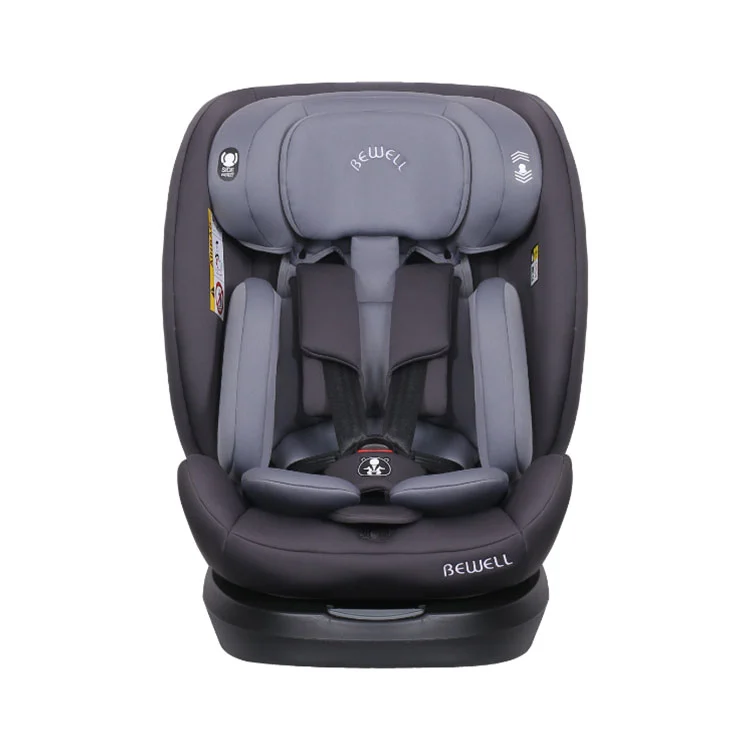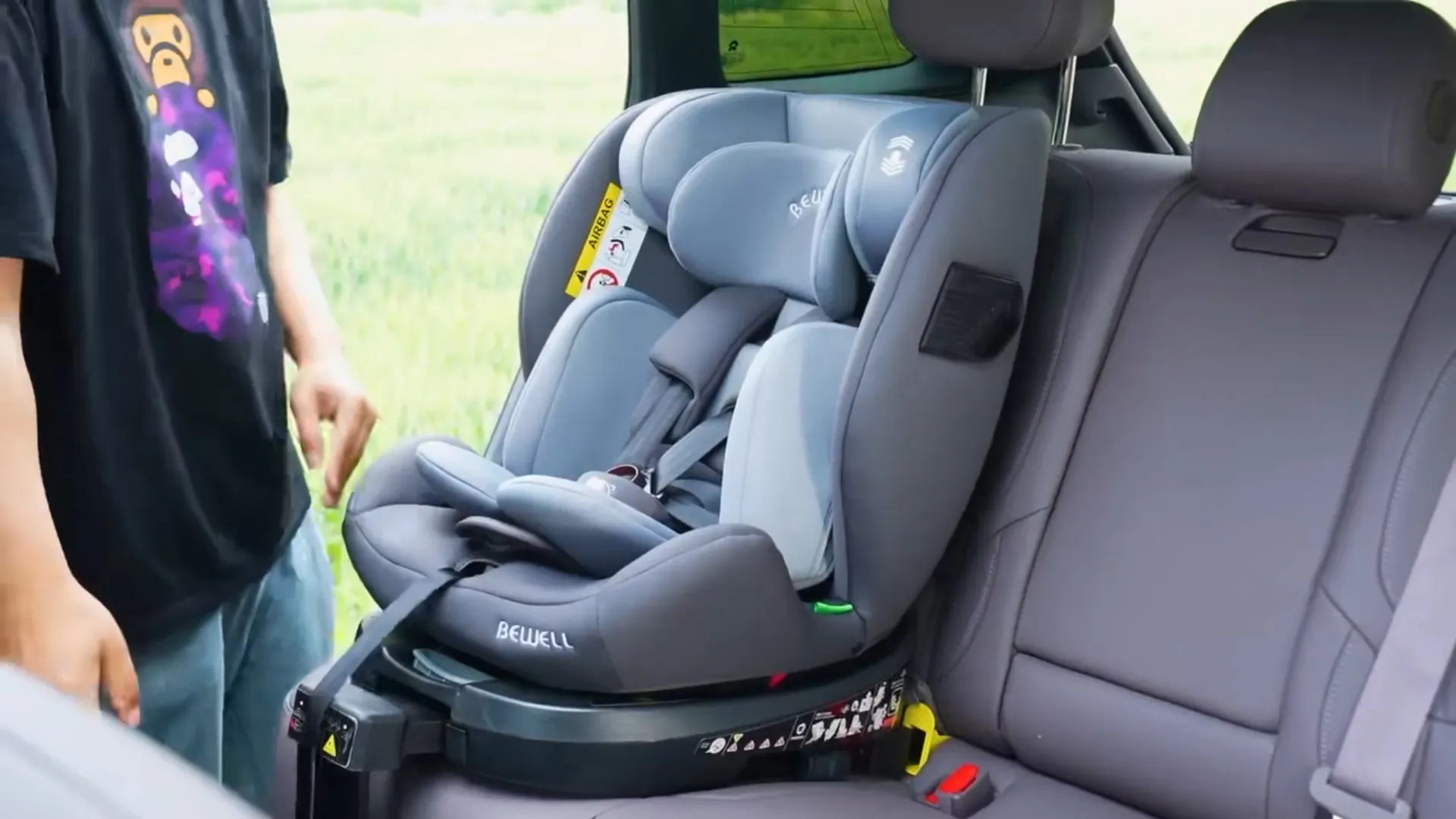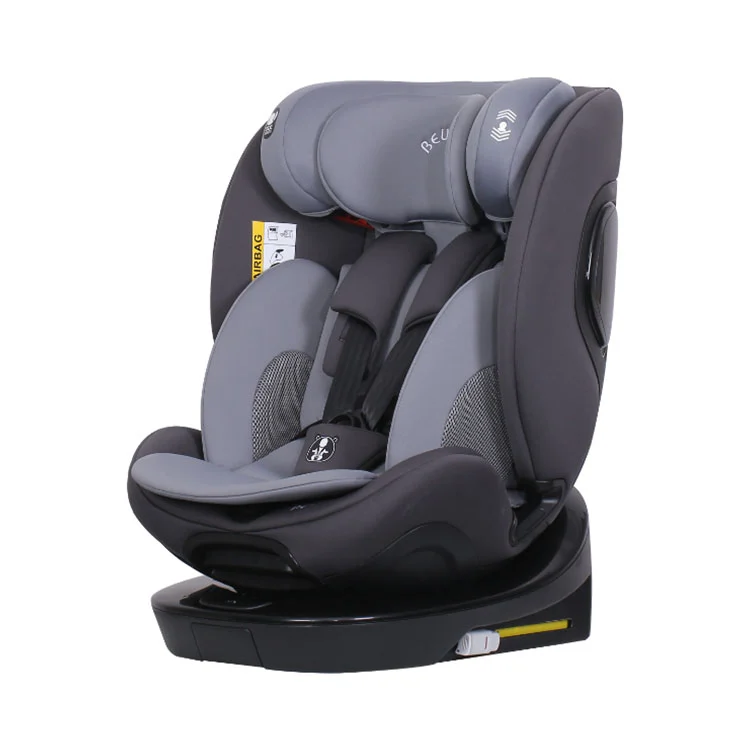
For families who use the seat every day, a 360 rotating car seat is usually worth it. The spin lets you load your child from the side, without bending or twisting, and it makes the switch from rear-facing to forward-facing simple. The trade-offs are a higher price and more weight. If you move the seat between cars often, or just want the cheapest option, a standard convertible may suit you better.
Child car seats come in five main types: rear-facing infant seats, convertible seats, all-stage 360° rotating seats, high-back boosters, and backless boosters. The right one depends on your child's height, weight, and age — not on your car. Under the current ECE R129 (i-Size) rule, seats are sorted by height, from 40 cm at birth up to 150 cm around age 12. This guide walks through each type, how it installs, and which stage it fits.
A baby car seat is one of the most important safety products for families who travel with infants and young children. Choosing the right car seat is not only about comfort but also about protecting children from unexpected risks caused by sudden braking, collisions, or improper installation. This article explains how a baby car seat works, what features parents should consider, how to choose the right model according to a child's growth stage, and how manufacturers like Ningbo Bewell Baby Products Manufacturing Co., Ltd. focus on producing reliable baby travel solutions.
Infant car seat safety standards are the crash tests a seat must pass before it can be sold. In the US, that's FMVSS 213 — and from December 5, 2026, the new side-impact rule FMVSS 213a. In Europe and many aligned markets, it's ECE R129 (i-Size). Each one straps a crash-test dummy into the seat, fires it down a sled at 30 mph, and checks that the force reaching the child's head and chest stays under a hard limit. A seat that passes its market's current standard has cleared rigorous testing — the differences are about which market, not which is "safer."
Neither is safer. A car seat locked in tight with the vehicle seat belt protects exactly as well as one locked in tight with ISOFIX connectors. What separates them is practical: lower anchors are easier to get right, but they stop being allowed once your child plus the seat reach 65 pounds. Seat belts carry no such ceiling. Whichever you pick, the seat must move less than one inch at the belt path — and a forward-facing seat always needs its top tether.