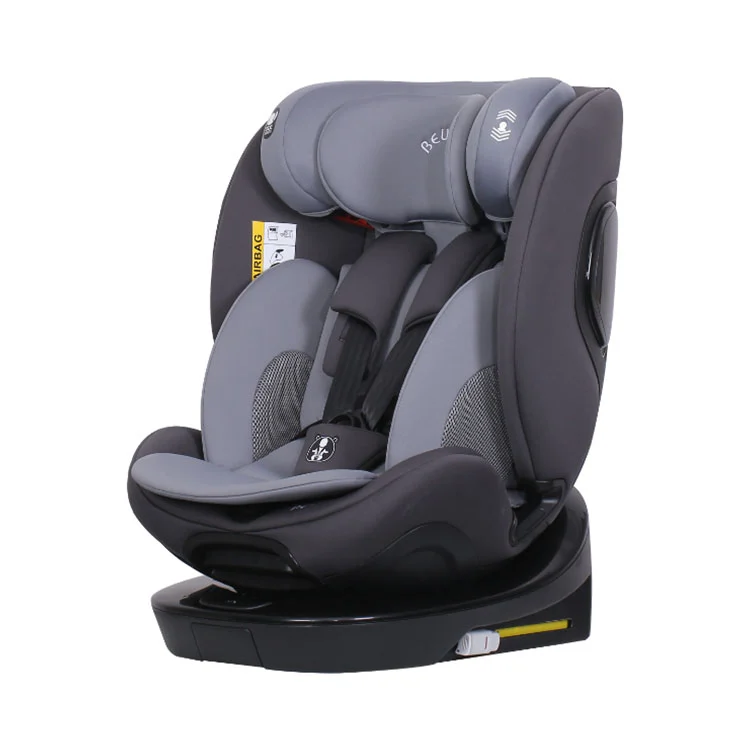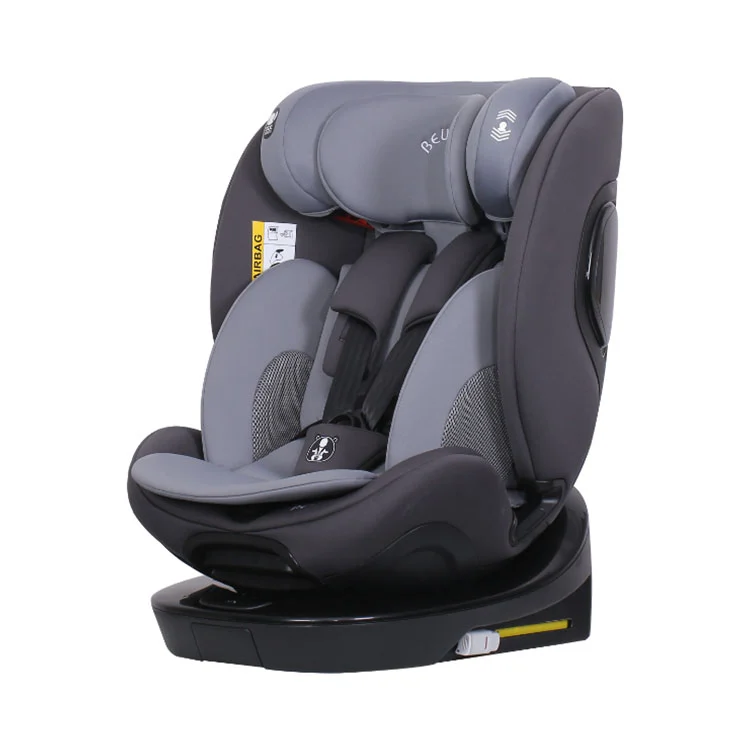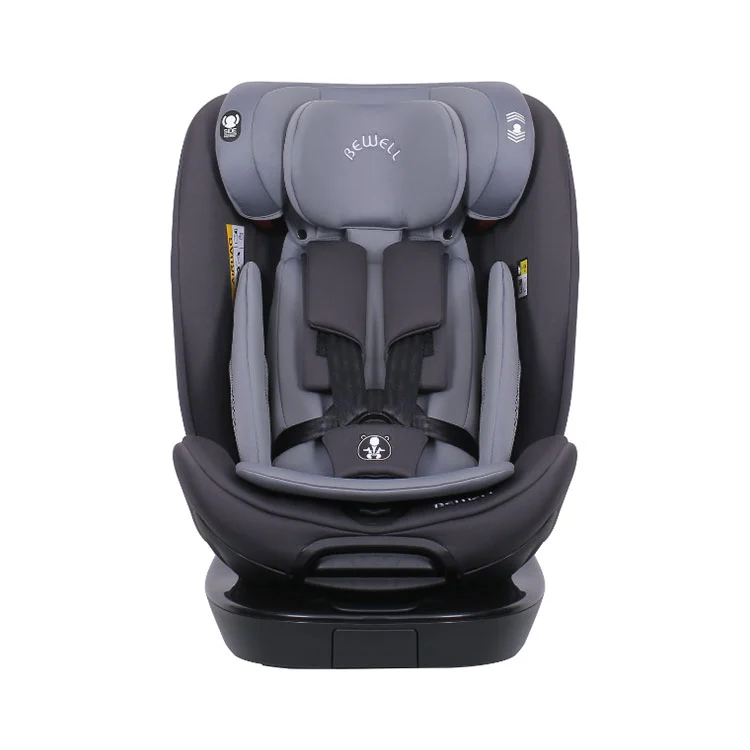
Expect an MOQ around 500 units (negotiable by project), a prototype in 7–15 days, and mass production in 30–40 working days after deposit. Payment is commonly T/T 40% deposit, 60% against copy of B/L. Unit price is driven by four things: the seat's stage coverage, its molding and internal structure, the certification it carries, and your customization. Two quotes are only comparable when the Incoterm, standard and specification match — and your true cost is the landed cost per seat, not the factory price.
A support leg braces from the seat down to the car floor. A top tether straps from the top of the seat to an anchor point behind it. Both do the same job — they stop an ISOFIX seat from pitching forward — and neither is safer. The right one depends on the car: a support leg needs a solid floor (not an underfloor storage bin), and a top tether needs a tether anchor point. The most flexible ranges offer both.
Private-labeling a baby car seat from China runs through six steps: submit your idea or drawings → design confirmation → prototype → mold making → sample approval → mass production. You can customize logo, fabric, colors, labels, packaging, and manual language at low cost. Structural changes — a new shell shape or height range — need new tooling, which is the real cost driver. Expect an MOQ around 500 units, a prototype in 7–15 days, and mass production in 30–40 working days. Certification stays with the factory's approved design, so verify it before you brand anything.
To find a reliable baby car seat manufacturer in China, confirm four things in this order: (1) they're a real factory, not a trading company — ask for a live video walk of the molding line; (2) they hold a valid ECE R129 (i-Size) certificate issued to their own company name; (3) they run COP (Conformity of Production) tests, not just a one-time approval; and (4) their MOQ, lead time, and payment terms are stated in writing before you pay a deposit. A supplier who can't answer all four quickly is not the one.
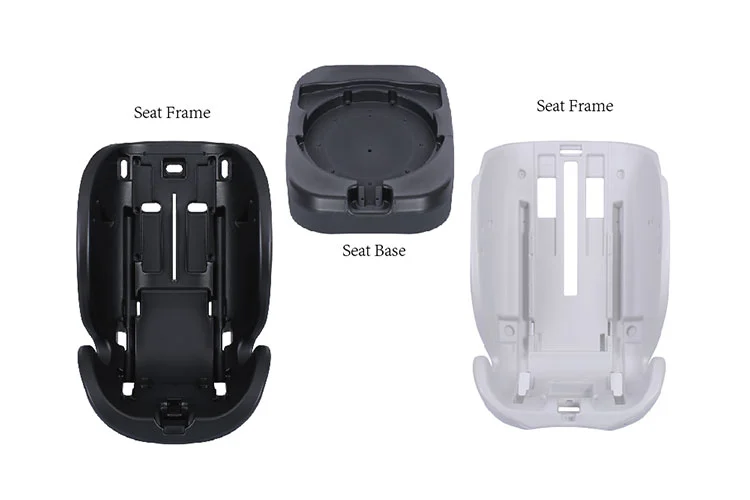
A car seat shell is made one of two ways. Injection molding presses solid plastic into a precise shape — strong, exact, best for structural parts. Blow molding forms a hollow, double-walled shell whose air gap helps absorb and spread crash energy. Neither is safer; they solve different problems, and the best seats often use both. For a buyer, what matters is wall quality and whether the seat passes ECE R129 — not the name of the method.
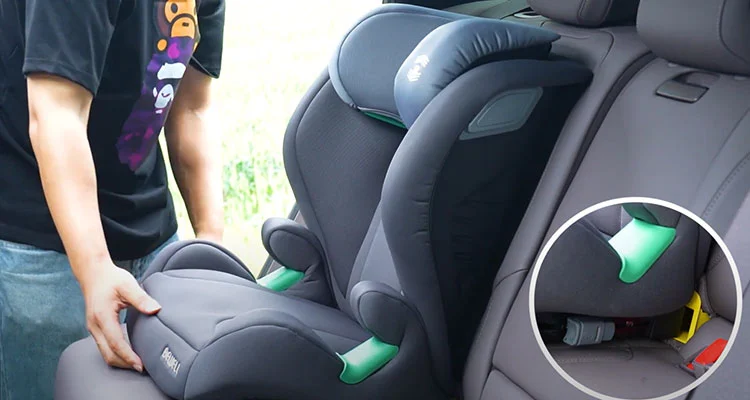
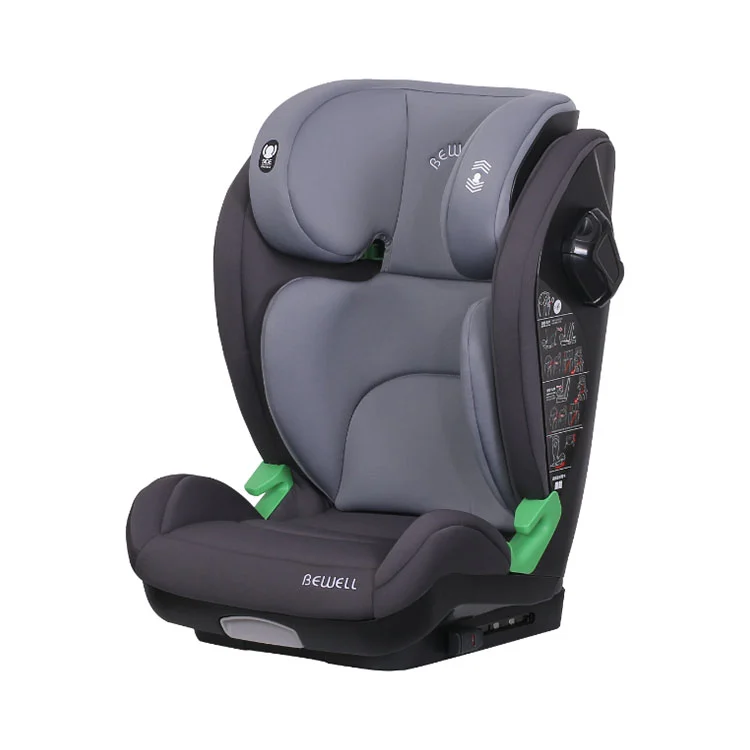
A high-back booster guides the seat belt and wraps the child's head and torso in side-impact protection. A backless booster only lifts the child so the belt sits right — no side protection, no headrest. Use a high-back booster from about 100 cm, and move to a backless one only once the child is past 125 cm and rides upright the whole trip. If you can only own one, own the high-back.