

A Pantone number and a logo file can start a conversation. They cannot release a child car seat cover for production. The factory still needs a controlled definition of every layer, seam, opening, label, care instruction, test method and fitted condition.
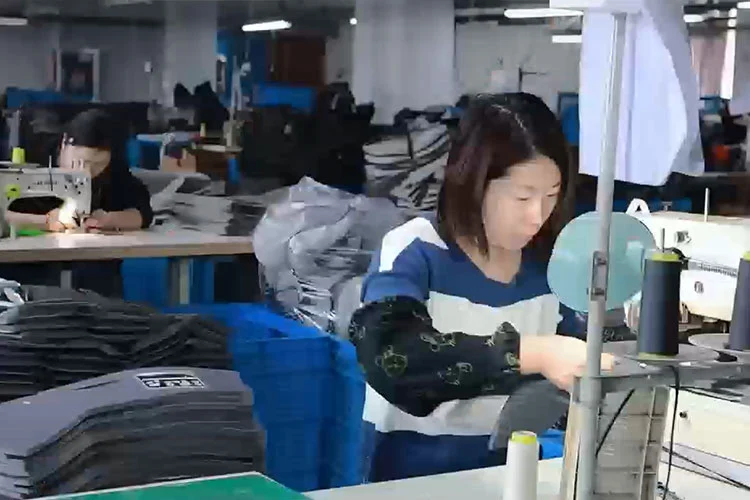
Fabric is often treated as the easy part of a private-label child car seat. It is visible, familiar and simple to discuss in colors. On the production floor, the cover is a fitted assembly. A change to thickness, backing, seam position or attachment can alter how the part sits around the harness, buckle, headrest, belt guides and moving sections.
That is why our first question is not, "Which color do you want?" It is, "Which approved seat configuration are we covering?" Once the model is fixed, a buyer and factory can make the appearance brief measurable and keep the sample trail connected to the product.
1. Lock the seat model and market before selecting fabric
Start the fabric brief with the same identity block used in a complete child car seat product specification sheet. Record the factory model, buyer model name, destination country, child size range, restraint modes, installation method and the product approval document under review. Then state which physical sample or drawing revision defines the seat surface.
This order matters. A cover pattern for one shell or headrest position should not be assumed to fit another model. Even within one product, a changeable headrest or removable harness can create different openings and attachment paths. Artwork decisions also depend on the market languages required on sewn labels, warnings, packaging and instructions.
Approval boundary: do not assume that a fabric, foam, cover construction or label change is outside product-approval control because it looks cosmetic. Review the proposed change against the exact approved model, its technical documentation and the requirements that apply in the destination market before production. BEWELL's current BW17 manual, for example, says that the product must be used with its fabric cover and that other cover materials can affect overall performance. That statement is specific to BW17, but it shows why a blanket "fabric changes need no review" rule is unsafe.
2. Specify the cover as a bill of materials, not one fabric name
"Polyester cover" is not a production specification. The visible face may be joined to mesh, foam, nonwoven backing or another layer before it is cut and sewn. Binding, thread, elastic, hook-and-loop pieces, snap parts and labels also belong in the cover assembly. If the buyer approves only the face fabric, the factory still has to guess the rest.
| Specification block | What to record | Physical evidence to retain |
|---|---|---|
| Cover part map | Part name, drawing number, location on seat and quantity per seat | Marked photograph or exploded drawing tied to the model revision |
| Visible face | Fiber composition, construction, supplier code, color code, finish and usable width | Signed swatch with supplier lot or batch reference |
| Backing and padding | Each layer, thickness, density or mass where applicable, bonding method and orientation | Cross-section sample or approved laminate swatch |
| Trims and attachments | Binding, elastic, thread, zipper, hook-and-loop, clips, snaps and anti-slip pieces | Trim card plus the fitted sample |
| Brand elements | Embroidery, print, woven label or patch method; artwork revision; size; location; color | Strike-off or embroidery sample signed before sewing |
| Warnings and care labels | Approved wording, symbols, language, dimensions, material, position and orientation | Artwork proof plus the label sewn into the fitted cover |
Factory rule: one approved swatch should have one material code. If the same marketing color uses different face fabrics on the headrest, seat pad and side wings, give each fabric its own code and approval sample. Calling all three "navy blue" hides differences that purchasing and inspection need to see.
3. A Pantone code needs a physical color-control route
A screen rendering is useful for layout. It is a poor production master. Displays, lighting, fabric texture, pile direction and the layer below the face fabric can change how a color appears. A Pantone reference narrows the target, but it does not identify the production fabric, dye lot or acceptable visual range.
For solid colors, ask the factory for a lab dip or production-material swatch. For printed graphics, approve a strike-off showing scale, registration and color. Compare the sample under an agreed viewing condition and record the signed master's code, date and revision. Bulk inspection should use that retained master together with any numerical color-tolerance method written into the contract.
Logo approval needs the same discipline. Embroidery can affect a padded panel differently from print or a woven label. State the thread or ink colors, finished dimensions, position from fixed reference points, orientation and reverse-side treatment. Do not release the entire cover because a logo looked correct in a PDF.
4. Convert a sewn cover into measurable checkpoints
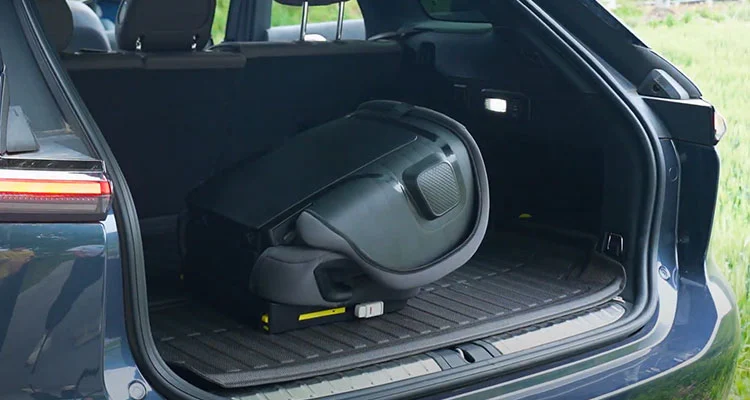
A cover can look acceptable on a table and fail on the seat. The fitted sample is where pattern, seam and attachment decisions become visible. Our engineers would check the cover in every relevant product position, not only the display position used for photography.
Keep openings usable
Inspect harness slots, buckle access, belt guides, ISOFIX controls and any top-tether storage area. Fabric edges should not obscure labels or the intended routing path.
Move through all positions
Cycle the headrest, recline or rotation features that belong to the model. Look for pulling, bunching, trapped fabric and exposed backing at the end positions.
Define attachment points
Photograph each elastic loop, clip, flap and fastening point. A cover that can be installed more than one way needs clearer work instructions.
Write workmanship limits where inspection needs them: skipped stitches, loose thread, puckering, visible raw edges, asymmetric seams, logo tilt, label position, mismatched panels and attachment security. Use an approved fitted sample and annotated photographs to define appearance. If a numeric tolerance matters, place it on the drawing instead of relying on "same as sample."
The production sequence supports this approach. BEWELL's published flow puts fabric-cover design and production before product assembly. A flat cover approval closes the sewing stage only. It does not prove the part fits the assembled seat.
5. Make the cleaning claim match the tested cover and the manual
"Washable" is incomplete. The user needs a method, and the manufacturer needs evidence that the approved construction still meets the stated result after that method. Specify whether the cover is hand washed or machine washed, the temperature, detergent, bleach restriction, drying method and ironing restriction. Then align the care label, instruction manual, product page and packaging claim.
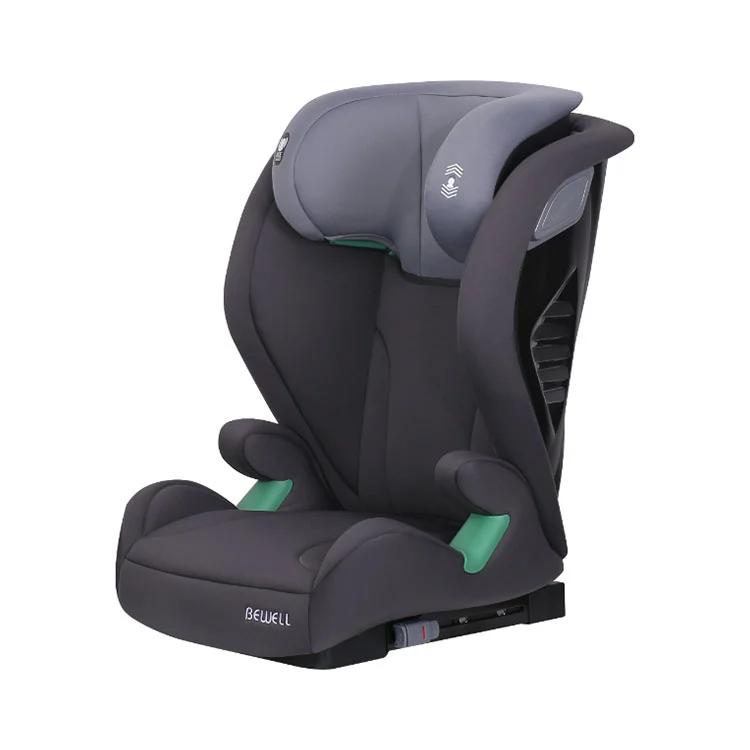
The current BW15 product page describes model BW15 as a 100 to 150 cm seat with breathable mesh and a removable, washable fabric cover. It does not publish a washing cycle or a test grade on that page. A buyer using BW15 as an OEM base should therefore request the model-specific care instruction and acceptance criteria instead of turning "washable" into an unsupported machine-wash claim.
The current BW17 instruction manual gives a different, model-specific level of detail: it shows cover removal and reinstallation, then states hand washing below 30°C, no bleach, no drying and no ironing. Those instructions should not be copied to another model without checking its actual cover construction and approved manual.
6. Put the method and pass rule in the same test matrix
BEWELL's quality-control page lists color fastness and washing durability as fabric-testing categories. That tells a buyer what the factory says it checks. It does not state the laboratory method, specimen preparation, wash procedure, number of cycles, grading scale or pass level. Those fields must be agreed for the specific project.
| Property | Method field to confirm | Acceptance field to write | Decision note |
|---|---|---|---|
| Color fastness to rubbing | For example, ISO 105-X12:2016, including dry, wet or both | Required rating, face/color tested, specimen condition and report format | The ISO method measures resistance to color rubbing off and staining. It does not choose the buyer's pass grade. |
| Color fastness to laundering | For example, ISO 105-C06:2010 with the selected procedure | Color-change and staining limits, detergent system and test condition | Name the exact procedure. A standard number by itself can still leave choices open. |
| Dimensional or appearance change after washing | Agreed wash and dry procedure, such as a selected procedure from ISO 6330:2021 | Cycles, measurement points, shrinkage or growth limit, delamination, wrinkling and refit result | ISO 6330 provides multiple washing and drying procedures. The project must select the applicable combination. |
| Abrasion | Material-appropriate method and end point | Area tested, cycles or breakdown criterion, visual damage and reporting | ISO 12947-2:2016 covers specimen breakdown for many textiles but excludes coated fabrics, including laminated fabrics. Do not assign it without checking the material. |
| Market or approval-related material checks | Exact destination requirement, document revision, laboratory and specimen definition | Regulatory or buyer limit plus required report identity | Avoid generic entries such as "non-toxic" or "flame retardant." They do not identify a test or legal requirement. |
These ISO documents are examples of test methods, not a universal mandatory list for every car seat cover. The destination market, approved product documentation, material type and buyer requirement determine the actual matrix. If a laboratory report is required, the specification should also identify the model, fabric code, color, supplier lot and revision represented by the tested specimen.
7. Approve four samples, each answering a different question
Material swatch or print strike-off
Approves the visible material, color, texture, print scale or embroidery appearance. It does not approve sewing or fit.
Sewn cover sample
Approves pattern revision, layer build, seams, bindings, trims, labels and workmanship before installation. Record every open deviation.
Fitted seat sample
Checks the cover on the exact model through all relevant adjustment and restraint modes. Photograph attachment points, openings and labels while the seat is assembled.
Packed production sample
Confirms that the released cover, seat, accessories, manual, labels and packaging belong to the same controlled configuration. Use it as the reference for pre-shipment inspection.
Each approval record should contain the sample ID, model, material codes, colorway, artwork revision, date, photographs, test status, deviations and named approver. "Sample approved" in an email subject is too vague when several colorways and revisions are moving at once. The separate sample inspection guide explains how to turn a physical sample into a production release record.
8. Treat a new colorway as a controlled configuration
A second colorway can introduce a second material supplier, dye process, print, thread set or label contrast. Copying the first approval across all colors may miss those differences. Give each colorway a code, bill-of-material revision, master swatch and sample status.
When anything changes after approval, the factory should record what changed, why, which documents and inventory are affected, whether new testing or approval review is required, and who authorized release. This connects fabric work to the broader Conformity of Production controls. It also prevents an old care label or cover panel from remaining in stock after the manual or material changes.
Logo, warning, care and product labels need one artwork register. The car seat label and manual checklist covers the document-level checks. For the cover project, add the sewn position, orientation, stitch method and photograph of the approved fitted result.
9. Send the factory a brief it can quote and sample
A strong RFQ does not need to contain every final answer. It should make unknowns visible. Send the available evidence and mark each unresolved field as "factory proposal required" rather than leaving it blank.
| Send to the factory | Ask the factory to return | Decision before sampling |
|---|---|---|
| Chosen model or product-page link, destination country and sales channel | Model identity, applicable approval questions and a cover part map | Confirm the base configuration and document owner |
| Pantone or physical color reference, artwork files and logo method preference | Swatch or strike-off plan, artwork proof and location drawing | Define the physical color master and artwork revision |
| Reference fabric, desired hand feel, target construction and care claim | Proposed material stack, supplier codes, alternatives and care method | Approve one bill of materials for each colorway |
| Required test methods, acceptance limits and report expectations | Test plan, specimen identity, laboratory route, timing and open gaps | Agree what must pass before sample and bulk release |
| Manual and label languages, first-order quantity, forecast and number of colorways | Sample stages, revision list, quotation assumptions and production-release pack | Close commercial assumptions without weakening technical controls |
From the factory side, this brief is faster to work with than a folder of inspiration images. It lets material purchasing, sewing, assembly, compliance review and sales discuss the same configuration. It also makes the quotation more useful because proposed alternatives and unresolved tests are visible before tooling, labels or bulk fabric are ordered.
Sources checked for this guide
- BEWELL customization page: published customization fields, six-step route and company-provided customer cases.
- BEWELL manufacturing page: nine-stage production flow and sewing-workshop image.
- BEWELL quality-control page: published fabric-testing categories.
- BEWELL BW15 product page: current model, height range, breathable mesh and removable-cover statements.
- BEWELL BW17 instruction manual: model-specific cover, removal and care instructions.
- ISO 105-X12:2016, ISO 105-C06:2010, ISO 6330:2021 and ISO 12947-2:2016: official ISO scope descriptions for the example textile test methods.
- UNECE UN Regulation No. 129 document index: official regulation and amendment source for model-specific approval review.
Evidence note: BEWELL pages are first-party evidence of the company's published products and processes. They do not replace a buyer's review of the exact quotation, sample, approval communication, test report or purchase-order revision.
Frequently asked questions
What should an OEM child car seat fabric specification include?
It should identify the seat model, market, cover part map, face fabric, backing or laminate, padding, trims, attachments, stitching, logo, labels, care method, color master, test methods, pass criteria and approved sample revision. Give each material and colorway a controlled code.
Is a Pantone code enough to approve a car seat cover?
No. Use the Pantone reference to develop a physical lab dip, swatch or print strike-off on the production material. Sign and retain the approved physical master, then define how bulk fabric will be compared with it.
Can a child car seat fabric cover be changed without approval review?
Do not assume that it can. Review the material, construction, foam, labels and fit change against the exact approved model, controlled technical documents and destination-market requirements. Record whether testing, authority review or document updates are required before release.
How should a custom child car seat cover sample be approved?
Use four gates: a material swatch or strike-off, a sewn cover, a cover fitted to the exact seat model and a packed production sample. Record the model, colorway, bill-of-material and artwork revisions, photographs, test status, deviations, date and approver at each gate.
What should a buyer send the car seat factory for a fabric quotation?
Send the target seat model, destination market, color reference, artwork, reference fabric or desired construction, care claim, label and manual languages, test requirements, first-order quantity, forecast and number of colorways. Mark unknown fields for the factory to propose instead of leaving them ambiguous.
Turn your cover concept into a reviewable sample brief
Send one target model and one colorway first. BEWELL can then identify the cover parts, material decisions, artwork files, sample stages and compliance questions that need to be closed before bulk production.
Include with your inquiry
- Product link or model and destination market
- Pantone reference, artwork and reference swatch if available
- Preferred fabric build, care claim and required tests
- Languages, colorway count, first order and forecast
Ask us to define
- Cover part map and proposed bill of materials
- Swatch, sewn-cover, fitted-seat and packed-sample gates
- Test matrix with open methods or acceptance limits flagged
- Revision pack required for production release
Direct contact published on the BEWELL website: tic@nbbewell.com | +86-13586859678