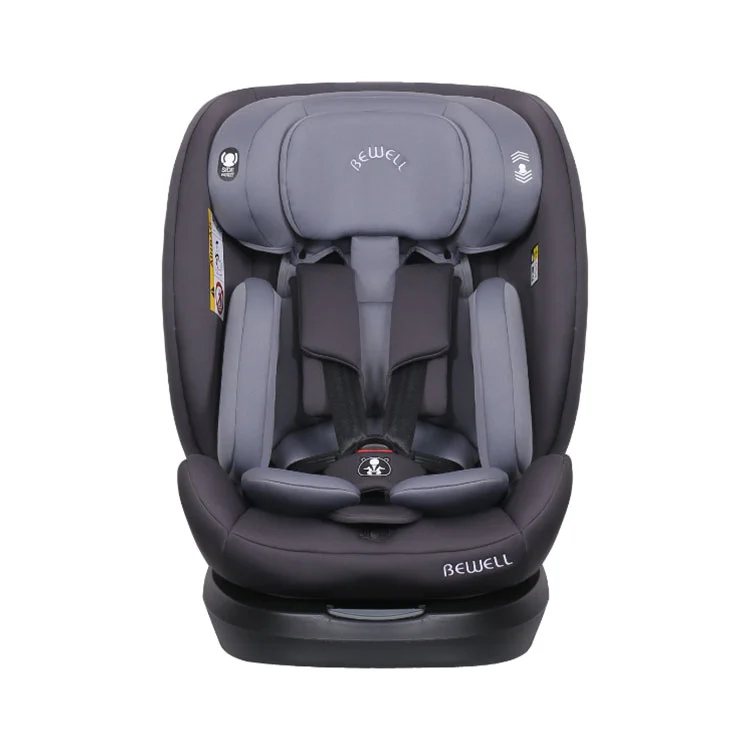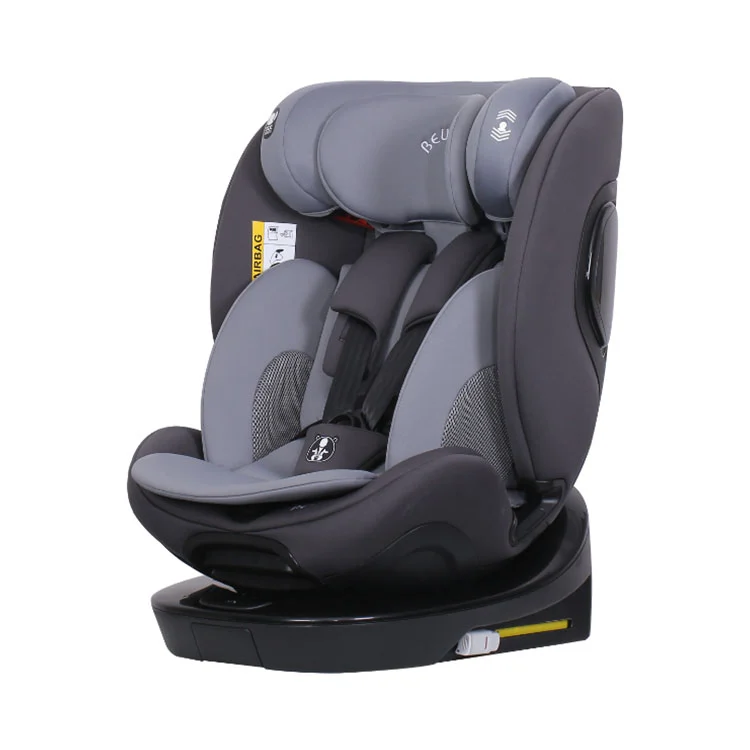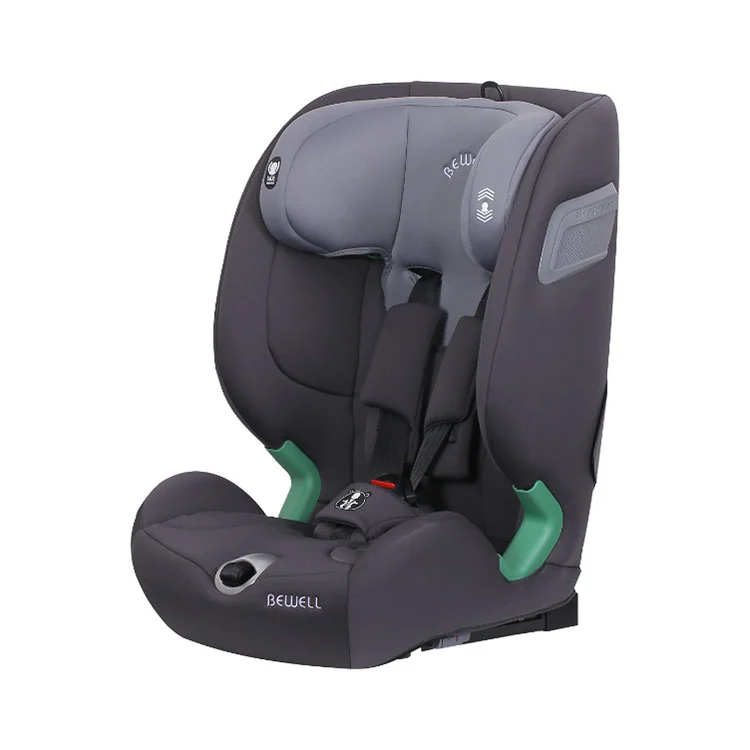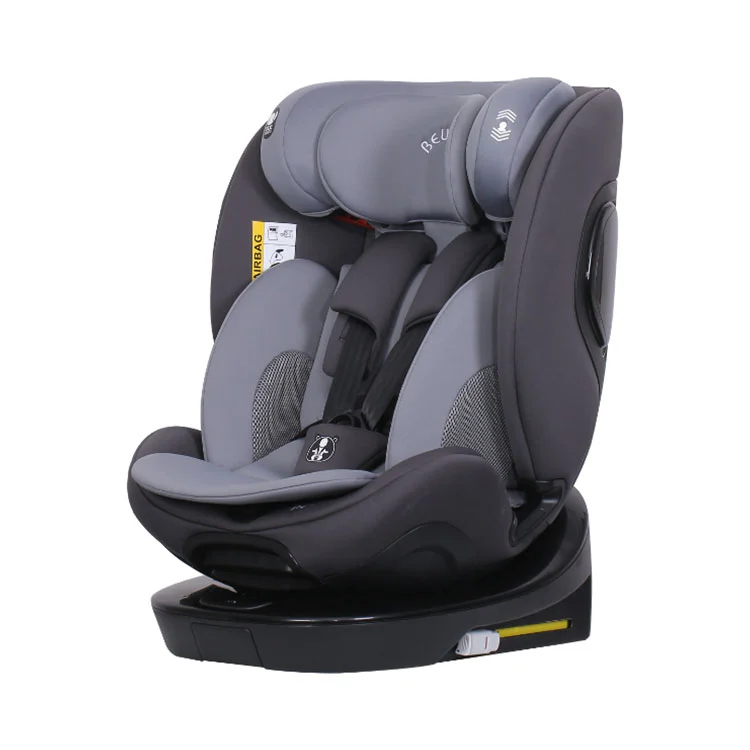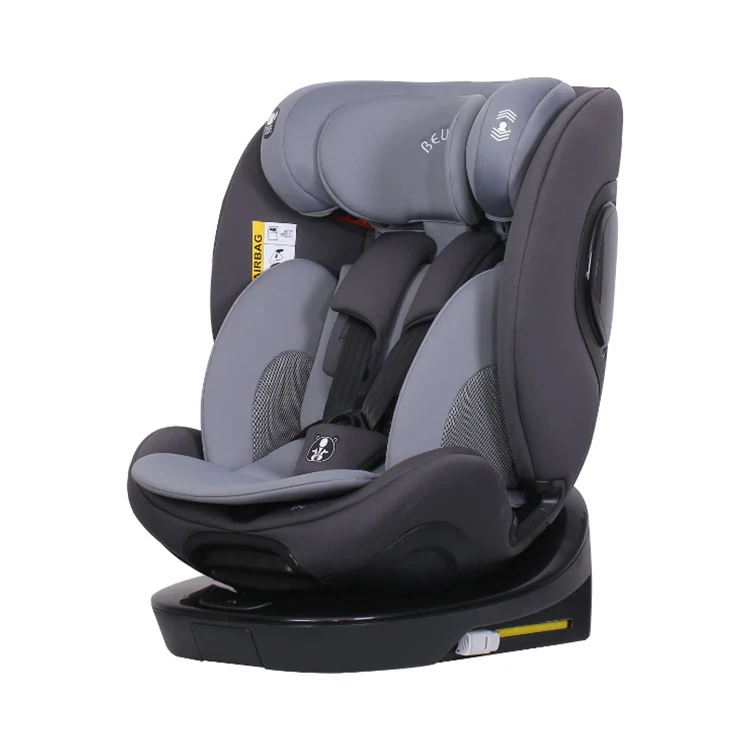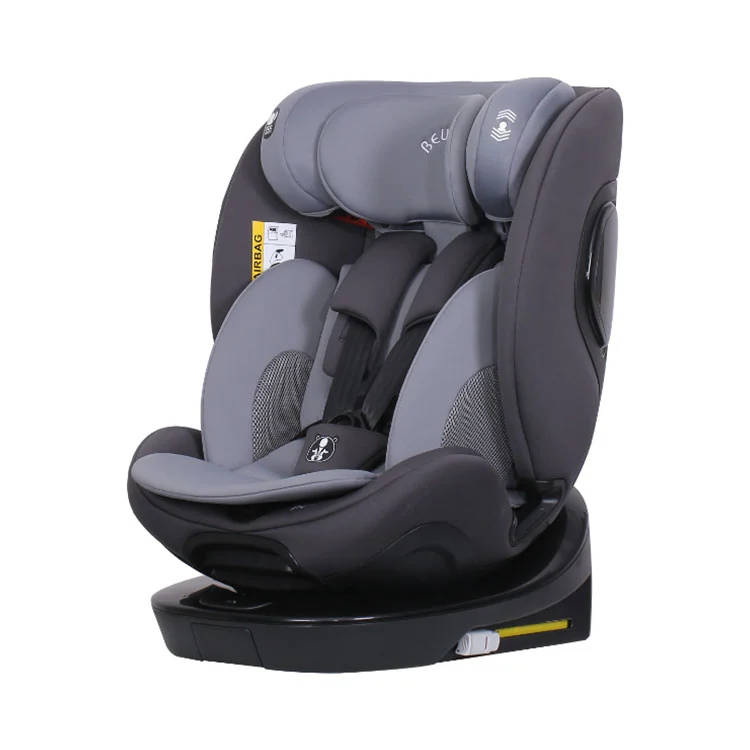
Approve car seat artwork as one controlled set, not as separate label, manual and carton jobs. Start with the full approval identity and configuration matrix. Then check the on-seat markings, exterior packaging notices, complete user instructions, physical quick-start guide where applicable, translations, QR destination and a photographed production sample. A designer's PDF proves layout approval; it does not prove that the printed label is the right size, visible in use or attached to the approved seat revision.
UN R129 Conformity of Production, usually shortened to CoP, is the control system used to keep an approved child restraint in conformity with its approved type during production. A useful buyer review connects the approval identity to the controlled product revision, materials and components, production checks, markings and instructions, test records, change history and treatment of nonconforming product. A certificate, a factory inspection checklist or one test result cannot replace that chain.
Blow molding forms a hollow plastic part by closing a mold around a molten tube called a parison and inflating it with air. Injection molding pushes molten polymer through gates and runners into a closed mold cavity that defines the part. For a car seat project, choose the process after defining the part geometry, interfaces, material, required functions and approved configuration. Then inspect samples for process-specific risks. Never accept "blow molded" or "injection molded" as a standalone safety or quality claim.
Verify a UN R129 child car seat approval by matching eight items to the product you plan to buy: approval status and full number, manufacturer designation, legal manufacturer and address, orientation, integral or non-integral mode, approved size range and category, technical service and report reference, and the approval-mark layout. A certificate for a similar seat, an incomplete approval number or a label photo without the matching document is not enough to establish that the quoted configuration is the approved one.
Choose a baby car seat product range in this order: destination market and approval route, child stages to cover, vehicle and installation conditions, sales channel, then the job of each SKU. Start with the fewest models that create clearly different buying choices. A broad-range rotating seat and a dedicated booster may overlap at 100 to 150 cm, but they are not duplicates when their restraint modes, product weight, packing and customer stage differ. If two models cannot be distinguished in one sentence without relying on color, they probably compete with each other inside your own range.
Calculate rectangular carton CBM as length × width × height in meters, then multiply by the number of cartons. For L-shaped car seat packaging, also obtain the carton outline and loading pattern. Confirm pieces per carton, gross weight and pallet use. A container's nominal volume alone cannot establish a shippable quantity.