News List

News List

Global regulations, trade show announcements, and BEWELL's R&D breakthroughs for baby car seat suppliers.
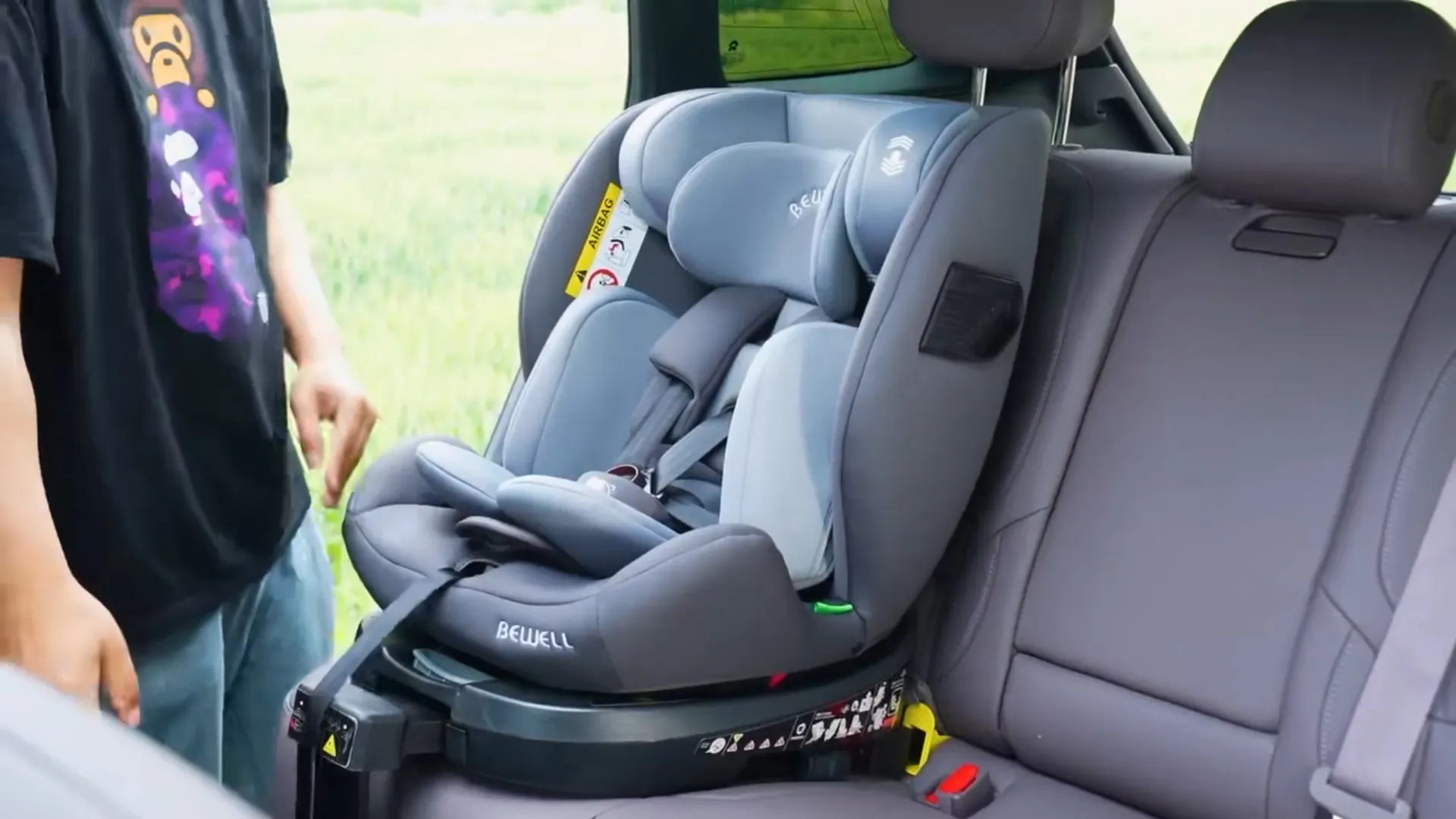
ISOFIX vs Seat Belt Installation: Which Is Safer? (2026 Guide)

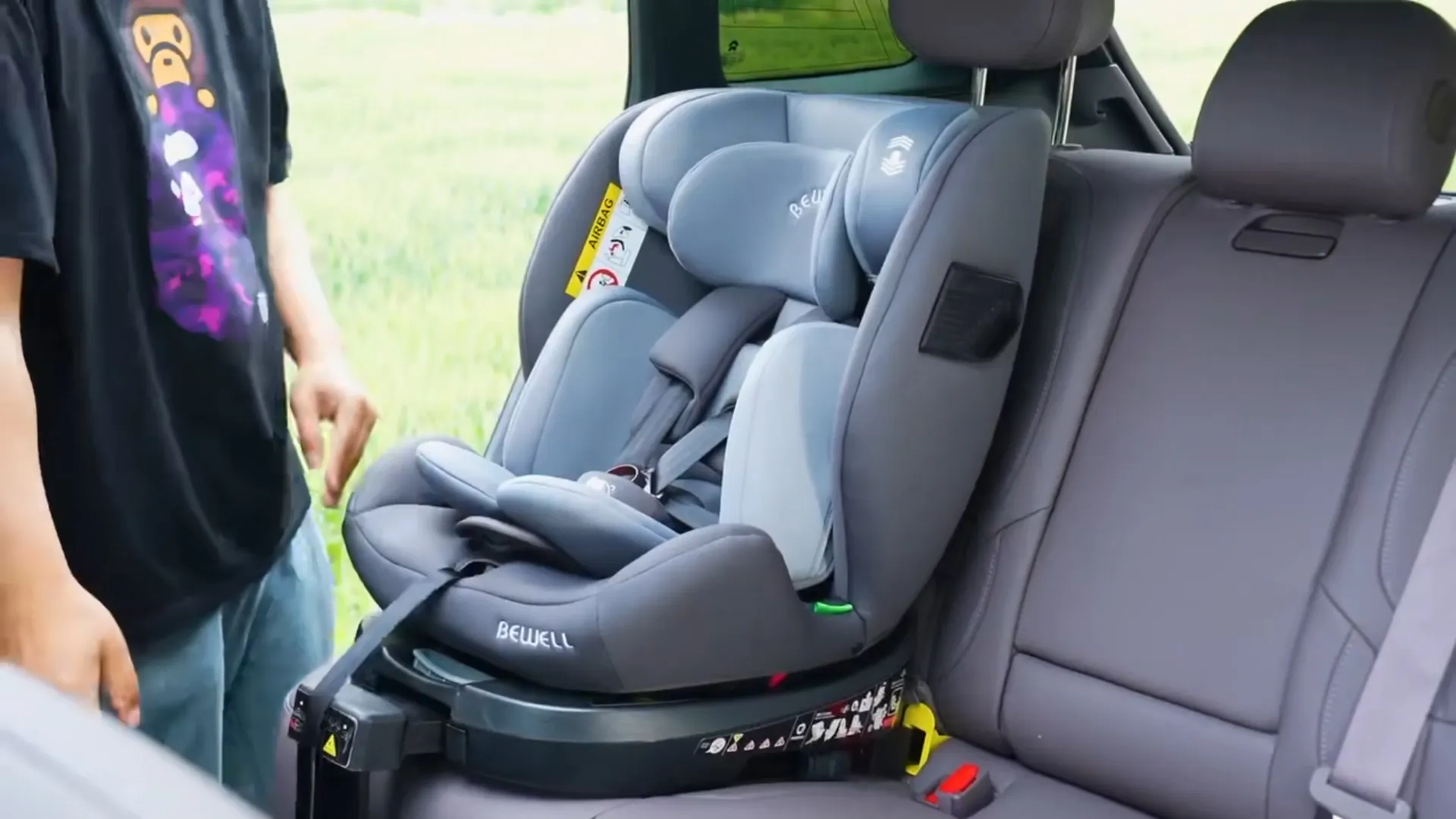
Neither is safer. A car seat locked in tight with the vehicle seat belt protects exactly as well as one locked in tight with ISOFIX connectors. What separates them is practical: lower anchors are easier to get right, but they stop being allowed once your child plus the seat reach 65 pounds. Seat belts carry no such ceiling. Whichever you pick, the seat must move less than one inch at the belt path — and a forward-facing seat always needs its top tether.

How to Clean a Car Seat the Safe Way: A Manufacturer's Guide (2026)

Vacuum the seat first. Machine-wash the fabric cover on a gentle cycle only if your manual allows it, then air dry. Wipe the harness straps with a damp cloth and mild soap — never machine-wash, soak, or bleach them. Rinse the buckle in warm water only. Wipe the plastic shell with a soft cloth. One rule sits above all others: cleaning must never weaken the parts that hold your child in a crash.

Car Seat Stages by Age: The Complete Guide, Birth to 12 (2026)

There are four car seat stages: rear-facing (birth to at least age 2, ideally longer), forward-facing with a harness (around age 4+), booster seat (until the seat belt fits, usually age 8–12), and finally the seat belt alone (around 4'9" tall). The golden rule at every stage: move your child up only when they've outgrown the height or weight limit of their current seat — never just because of age. And keep them in the back seat until age 13.

How Do Car Seats Protect Your Child in a Crash? The Science Explained (2026)

A car seat protects your child by doing three things in a crash: it spreads the crash force across the strongest parts of their body, it slows their body down over a longer time (called "riding down" the crash), and it keeps their head, neck, and spine aligned and contained inside a protective shell. A five-point harness, an energy-absorbing shell, and correct installation are what make all three happen.

Do Car Seats Expire? Car Seat Expiration Dates Explained (2026)

Yes — car seats expire. Most have a useful life of 6 to 10 years from the date of manufacture, not the date you bought them. The plastic, foam, and harness degrade over time, and safety standards change. You'll find the expiration (or "do not use after") date on a sticker, usually on the back of the shell, or embossed into the plastic. Never use a car seat past its date, and never buy or accept a secondhand seat without checking it.

We use cookies to offer you a better browsing experience, analyze site traffic and personalize content. By using this site, you agree to our use of cookies. Privacy Policy
Reject Accept