Private-labeling a baby car seat from China runs through six steps: submit your idea or drawings → design confirmation → prototype → mold making → sample approval → mass production. You can customize logo, fabric, colors, labels, packaging, and manual language at low cost. Structural changes — a new shell shape or height range — need new tooling, which is the real cost driver. Expect an MOQ around 500 units, a prototype in 7–15 days, and mass production in 30–40 working days. Certification stays with the factory's approved design, so verify it before you brand anything.
To find a reliable baby car seat manufacturer in China, confirm four things in this order: (1) they're a real factory, not a trading company — ask for a live video walk of the molding line; (2) they hold a valid ECE R129 (i-Size) certificate issued to their own company name; (3) they run COP (Conformity of Production) tests, not just a one-time approval; and (4) their MOQ, lead time, and payment terms are stated in writing before you pay a deposit. A supplier who can't answer all four quickly is not the one.
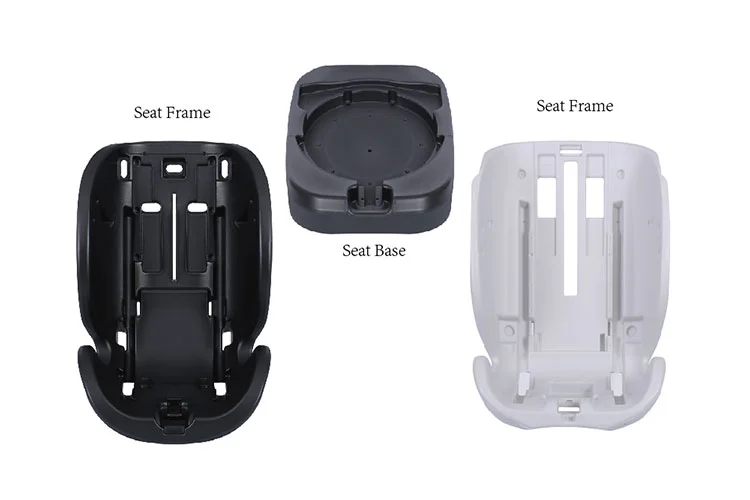
A car seat shell is made one of two ways. Injection molding presses solid plastic into a precise shape — strong, exact, best for structural parts. Blow molding forms a hollow, double-walled shell whose air gap helps absorb and spread crash energy. Neither is safer; they solve different problems, and the best seats often use both. For a buyer, what matters is wall quality and whether the seat passes ECE R129 — not the name of the method.
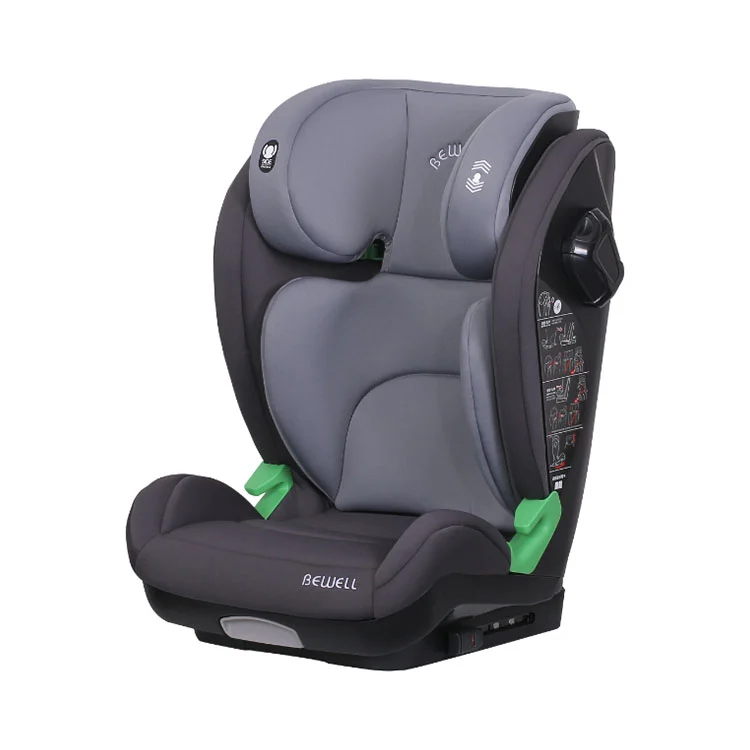
A high-back booster guides the seat belt and wraps the child's head and torso in side-impact protection. A backless booster only lifts the child so the belt sits right — no side protection, no headrest. Use a high-back booster from about 100 cm, and move to a backless one only once the child is past 125 cm and rides upright the whole trip. If you can only own one, own the high-back.
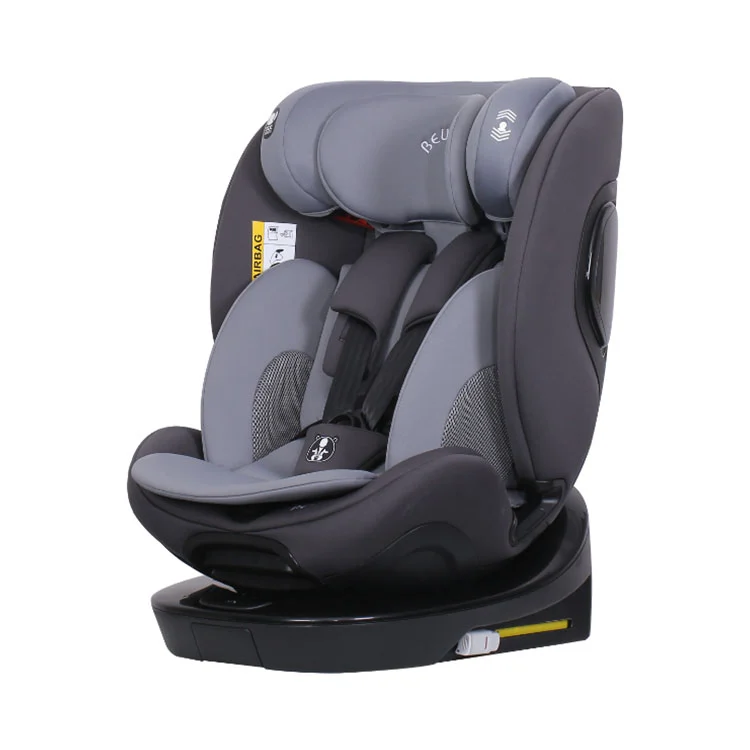
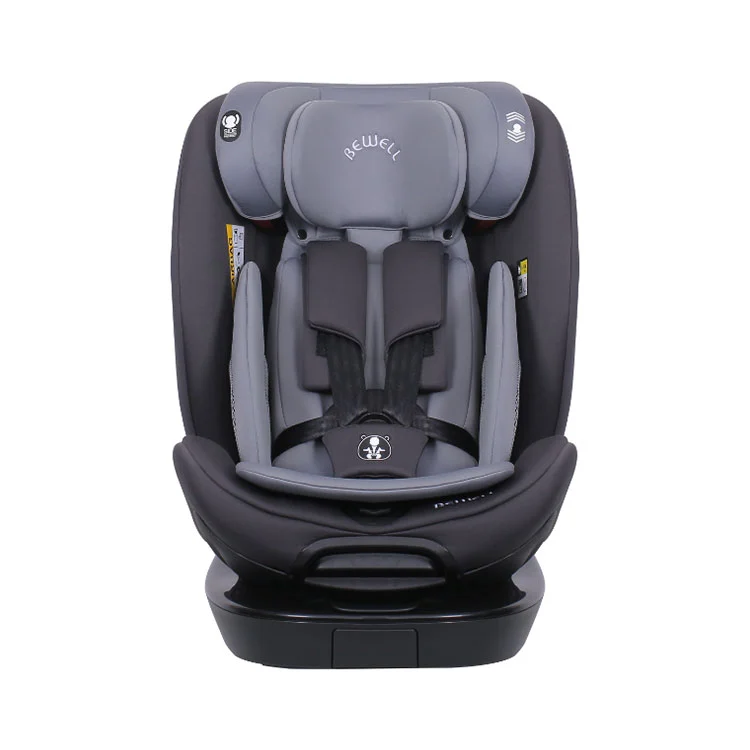
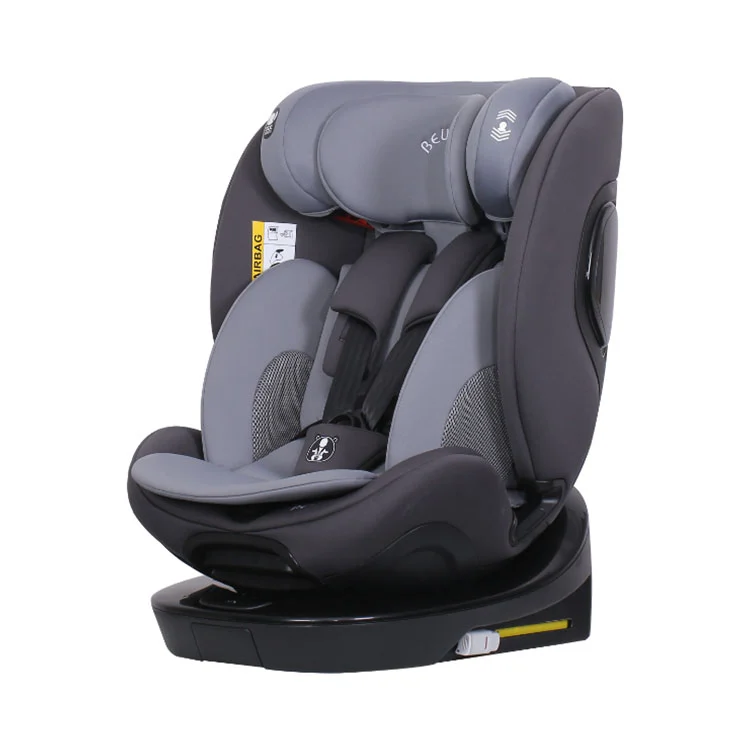
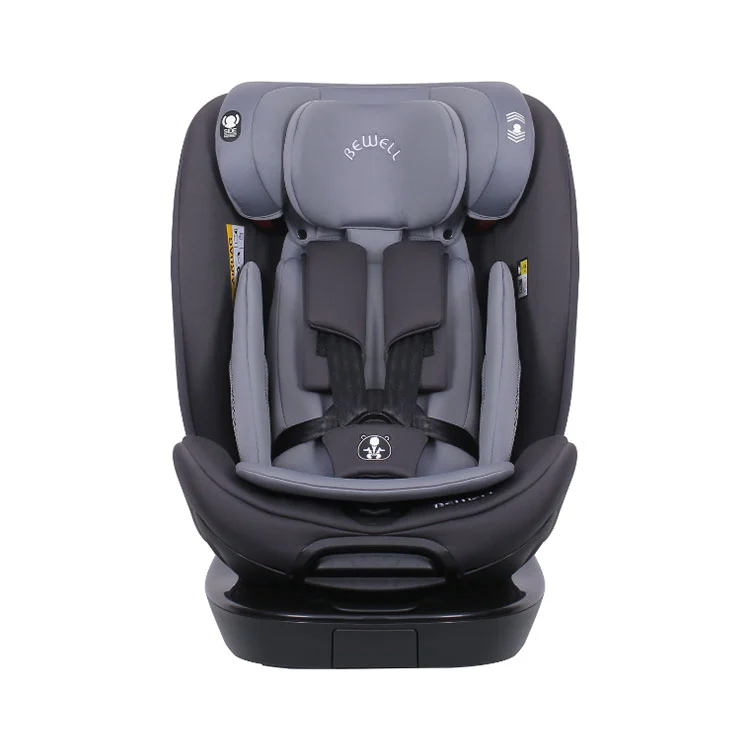
For families who use the seat every day, a 360 rotating car seat is usually worth it. The spin lets you load your child from the side, without bending or twisting, and it makes the switch from rear-facing to forward-facing simple. The trade-offs are a higher price and more weight. If you move the seat between cars often, or just want the cheapest option, a standard convertible may suit you better.
Child car seats come in five main types: rear-facing infant seats, convertible seats, all-stage 360° rotating seats, high-back boosters, and backless boosters. The right one depends on your child's height, weight, and age — not on your car. Under the current ECE R129 (i-Size) rule, seats are sorted by height, from 40 cm at birth up to 150 cm around age 12. This guide walks through each type, how it installs, and which stage it fits.