

Putting your brand on a car seat is easy. Putting your brand on a car seat you can legally sell, at a cost that leaves you margin, is the part worth planning. Here's the whole process from the factory's side.
"OEM" and "private label" get used loosely. In practice, buyers want one of three things: put a logo on an existing certified seat, restyle an existing seat to look like their brand, or develop something structurally new. Those three cost wildly different amounts and take wildly different amounts of time — and most disappointment in this industry comes from asking for the third while budgeting for the first.
This guide separates them, then walks the actual production path.
01Three levels of private labeling
Decide which one you're actually asking for before you contact anyone. It changes every number in the quote.
| Level | What changes | Tooling needed | Typical timeline |
|---|---|---|---|
| 1. Badge | Logo, labels, manual, packaging | None | Fastest |
| 2. Restyle | Fabric, colors, embroidery, accessories, box design | None or minor | Moderate |
| 3. Structural | Shell shape, height range, install interface | New molds | Longest |
Most first orders are level 1 or 2 — and that's the right call. You get a certified, proven seat wearing your brand, without paying to develop a product before you know the market. Level 3 makes sense once you have volume and a reason the existing platforms don't serve.
Start on an approved platform. Spend on tooling only when volume justifies it — not to make your first order feel special.
02What you can actually customize
Here's the honest menu, grouped the way we quote it.
| Area | What can change |
|---|---|
| Product structure | Installation interface (ISOFIX or seat belt), height range setting |
| Material / build | Blow molding or injection molding construction |
| Appearance | Logo, label design, fabric cover design, colors, embroidery |
| Packaging | Cardboard box, color box, PE bag |
| Language | Custom text for manuals, cartons and PE bags |
Two of those deserve a note. Installation interface matters more than buyers expect — whether a model uses a support leg or a top tether decides which cars it fits in your market, and that affects returns. Our support leg vs top tether guide explains the fitment issue. And molding method shapes both cost and crash behavior; see the molding explainer before you specify one.
03The six-step OEM process
This is the path every branded order follows here, start to finish.
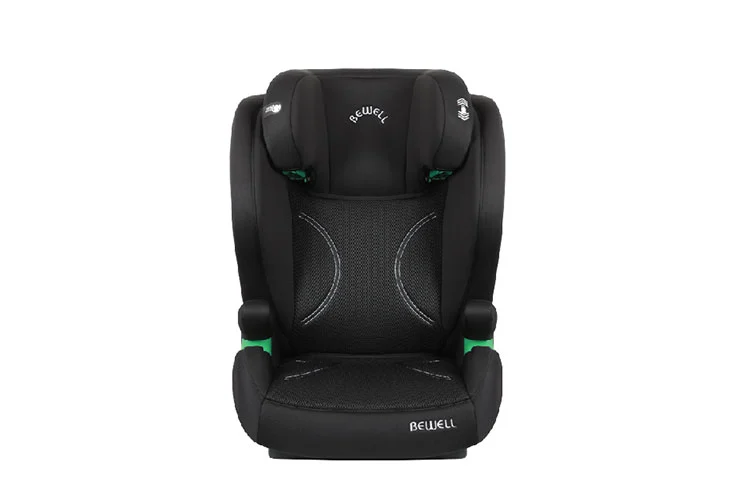
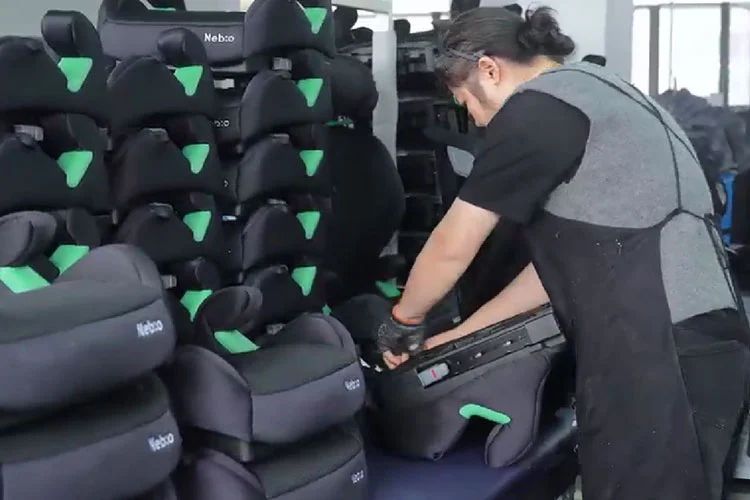
04What has to exist behind the process
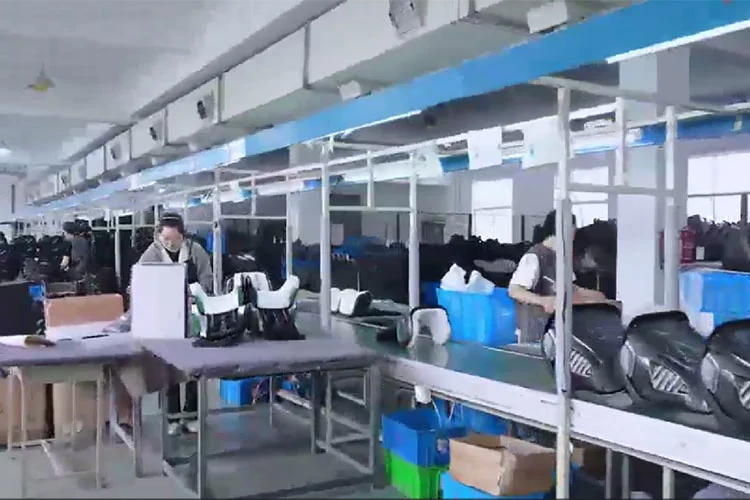
A six-step diagram is easy to publish. Whether a supplier can actually run it depends on what's on their floor. When you evaluate an OEM partner, ask which of these they own versus outsource.
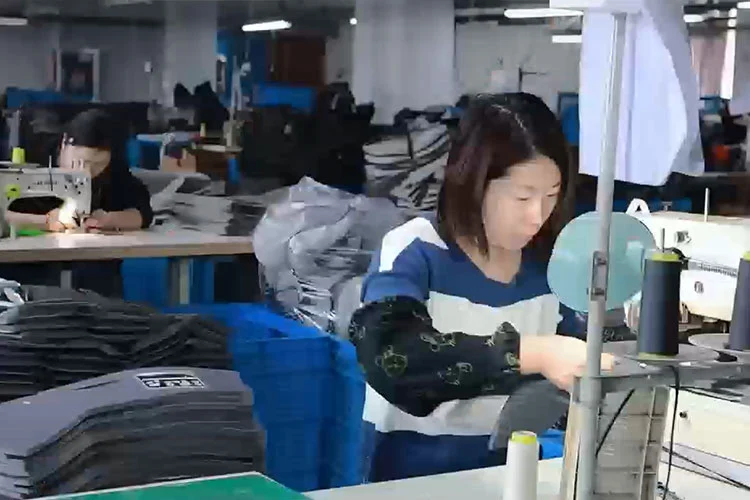
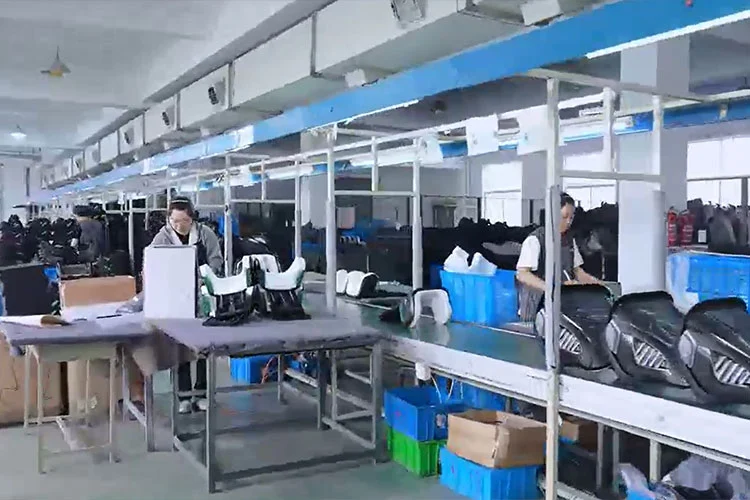
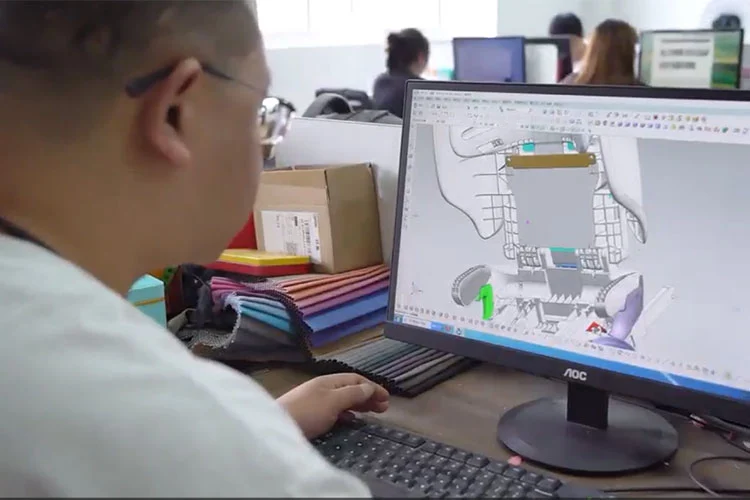
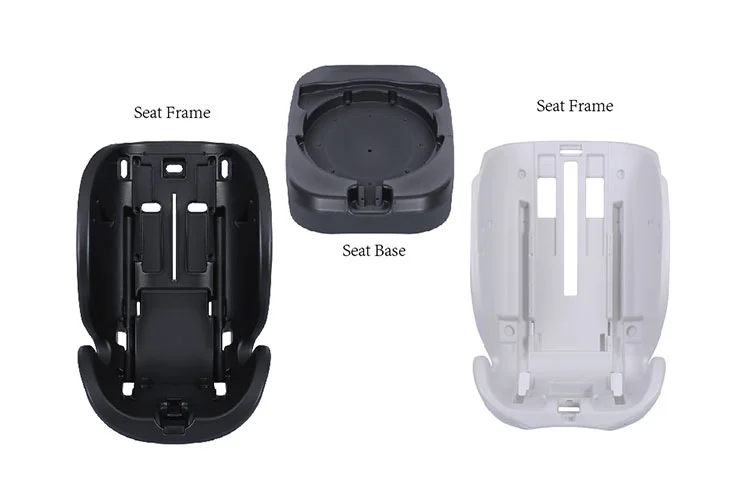
Our own production flow runs nine stages: sample confirmation, product development, mold manufacturing, injection molding, fabric cover design and production, product assembly, quality inspection, bulk production approval, then packing and shipment. Every one of those sits in-house — which is why a design change doesn't have to travel to a third party and back.
05Tooling, MOQ and the real cost driver
Here's the part that decides whether your project is viable, and it's rarely the unit price.
Cosmetic changes are cheap. Logo embroidery, a new fabric color, custom labels, your own box artwork, a manual in your language — none of these need new tooling, so they add little to unit cost and nothing to setup.
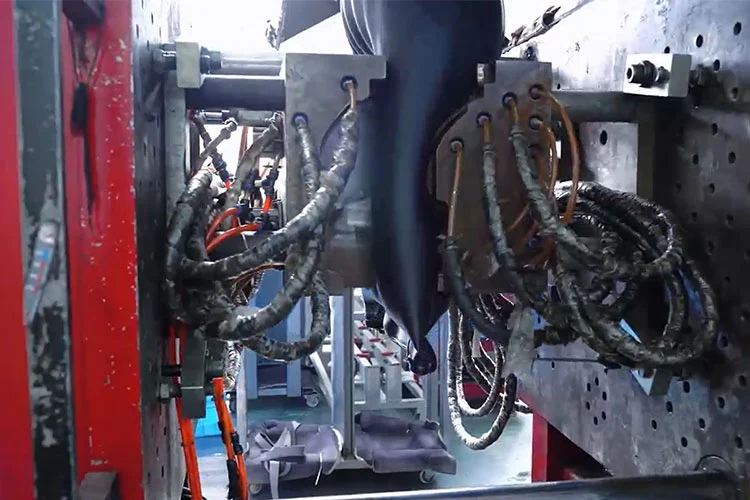
Structural changes are not. A new shell profile means cutting new molds. Injection tooling in particular is a machined block of steel: expensive and slow. That upfront cost is why structural OEM needs volume to make sense, and why it appears as a separate line in a quote rather than hidden in the unit price.
The practical middle path most brands take: start on an existing certified platform, customize appearance and packaging, then invest in tooling once your volume is proven.
| Item | What to expect |
|---|---|
| MOQ | Around 500 units; flexible and negotiable depending on project type |
| Prototype lead time | About 7–15 days |
| Mass production | Roughly 30–40 working days after deposit and confirmed details |
| Payment | Commonly T/T 40% deposit, 60% against copy of B/L |
| Incoterms | EXW, FOB or CIF — match the term when comparing quotes |
One more cost nobody quotes you: units per container. A bulky high-back seat and a compact backless booster can differ several times over in how many fit a 40HQ, which moves your landed cost per seat more than a small unit-price win. We break that down in the booster comparison.
06Certification: the question buyers ask too late
This is the one that can sink a private-label program. A car seat's approval belongs to a specific design, tested and certified by an authority. Putting your logo on a certified seat does not create a new certification — and changing the structure can invalidate the existing one.
So, before you commit:
- Confirm which standard your market needs. ECE R129 (i-Size) for Europe and most i-Size markets, CCC for China, FMVSS 213 for the US. One certificate does not cover all three.
- Ask to see the certificate — the approval number, height range, issuing authority, and the holder's company name. We publish downloadable R129 certificates for models including BW25, BW15 and BW26A on our quality control page.
- Ask what your changes affect. Cosmetic customization normally doesn't touch approval. Structural changes usually require re-testing — budget the time and cost.
- Ask about COP. Conformity of Production testing proves the factory's ongoing output still matches the approved sample, not just the first one.
For the standards background, see our i-Size vs R44 guide. For screening suppliers generally, our manufacturer sourcing guide has the full checklist.
07Real customer projects
Abstract capability lists don't tell you much. Here's what actual OEM orders looked like.
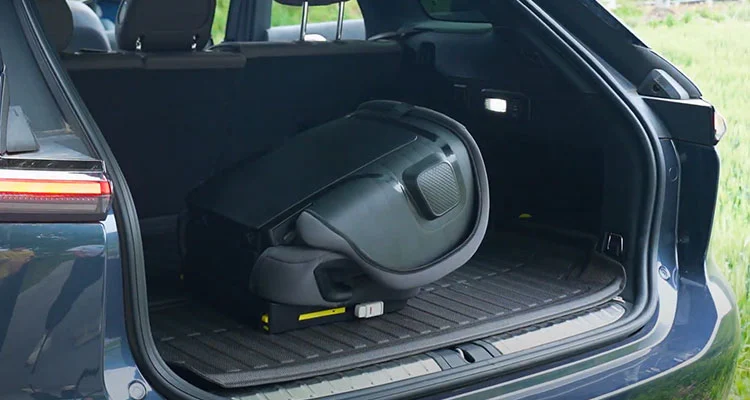
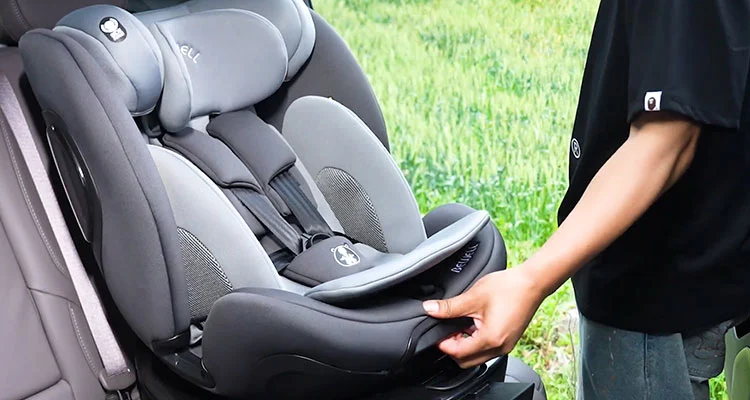
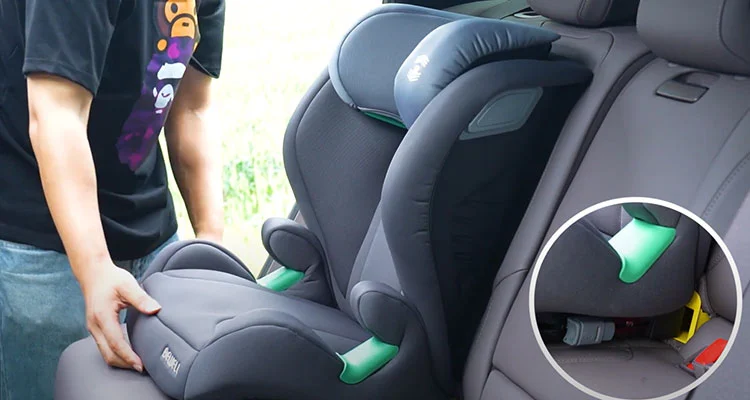
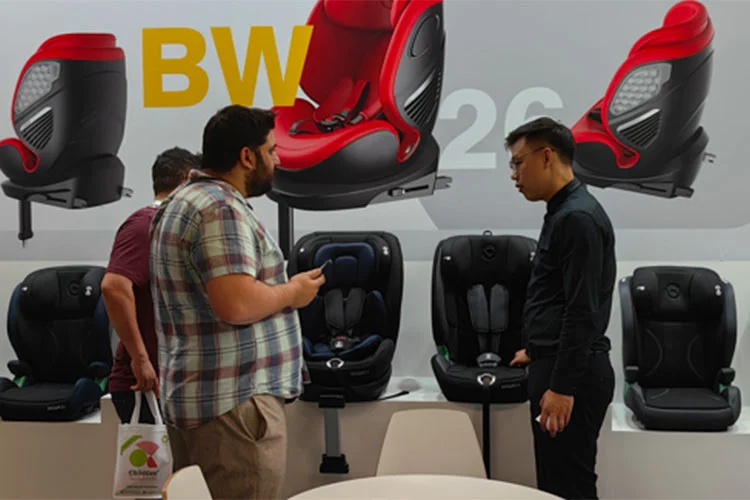
Notice the pattern: none of these needed a new shell. All three got a distinctly branded product by changing covers, labels, embroidery, accessories and documentation — on a certified platform. That's what a smart first OEM order looks like.
08How to write an OEM brief that gets a fast quote
Vague inquiries get vague quotes. Include these and you'll usually get real numbers in one round instead of four.
- Target market and standard — e.g. Germany, needs R129
- Which seat type / height range — e.g. 40–150 cm all-stage rotating
- Install interface — ISOFIX with support leg, or top tether
- Order volume — first order and expected annual
- Customization level — logo only, restyle, or structural
- Artwork — logo files, Pantone colors, fabric references
- Packaging — neutral carton, or your own color box design
- Manual language and any local labeling requirements
- Incoterm and destination port
- Target retail price — so the factory can propose a build that fits it
Not sure which product mix to specify? Start with our guide to car seat types and the 360 rotating seat guide, then browse the full range. When you're ready, send your brief or see the process on our customization page.
Common questions
What is the MOQ for OEM baby car seats?
Around 500 units is typical, and it's negotiable depending on project type. Cosmetic customization can often run at lower volumes than structural changes, which need tooling to pay back.
Can I put my own brand on an existing certified car seat?
Yes. Logo, labels, fabric, packaging and manual language can normally be customized without affecting the seat's existing approval. Structural changes are different and may require re-testing.
How long does an OEM car seat project take?
Expect roughly 7–15 days for a prototype, then about 30–40 working days for mass production after the deposit and all details are confirmed. New tooling adds time on top.
Does private labeling affect the car seat's certification?
Cosmetic branding normally doesn't. Certification belongs to the approved design, so changing structure, height range or the installation interface can require new testing. Always confirm with the factory before committing.
What's the difference between OEM and ODM for car seats?
With ODM you brand a design the factory already developed and certified. With OEM the product is built to your specification. ODM is faster and cheaper; OEM gives you a product no one else sells.
Sources
- UNECE — Regulation No. 129 (i-Size): type approval and Conformity of Production
- NHTSA — Car Seats and Booster Seats: US standards context (FMVSS 213)
- Bewell company pages — customization process, production flow, factory data and customer cases
Commercial terms shown are typical ranges and vary by project, volume and specification. Confirm all terms in writing with your supplier.