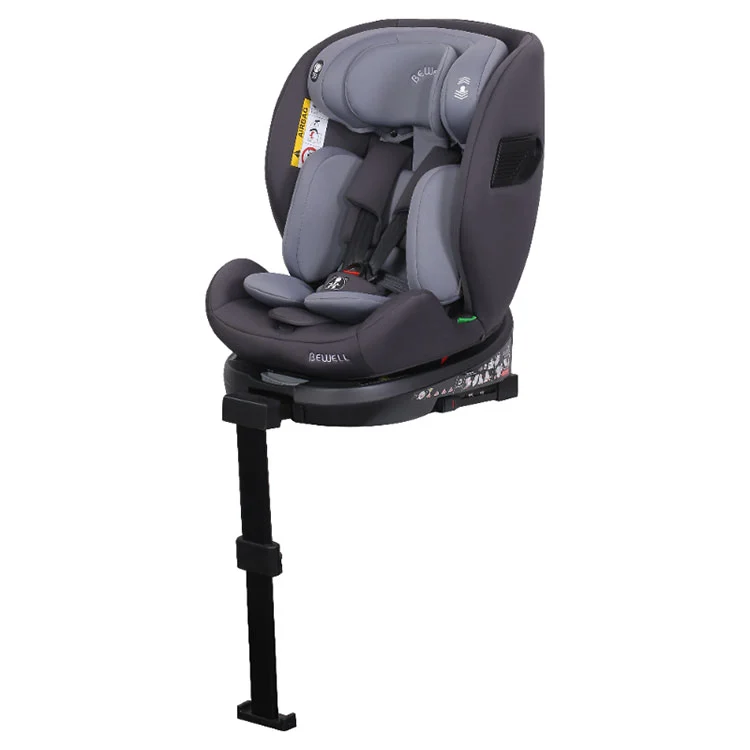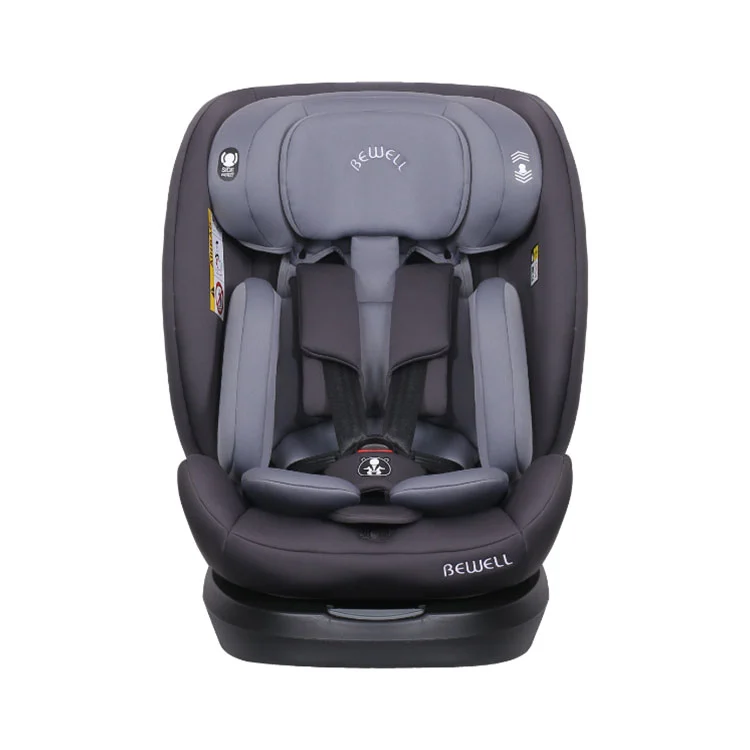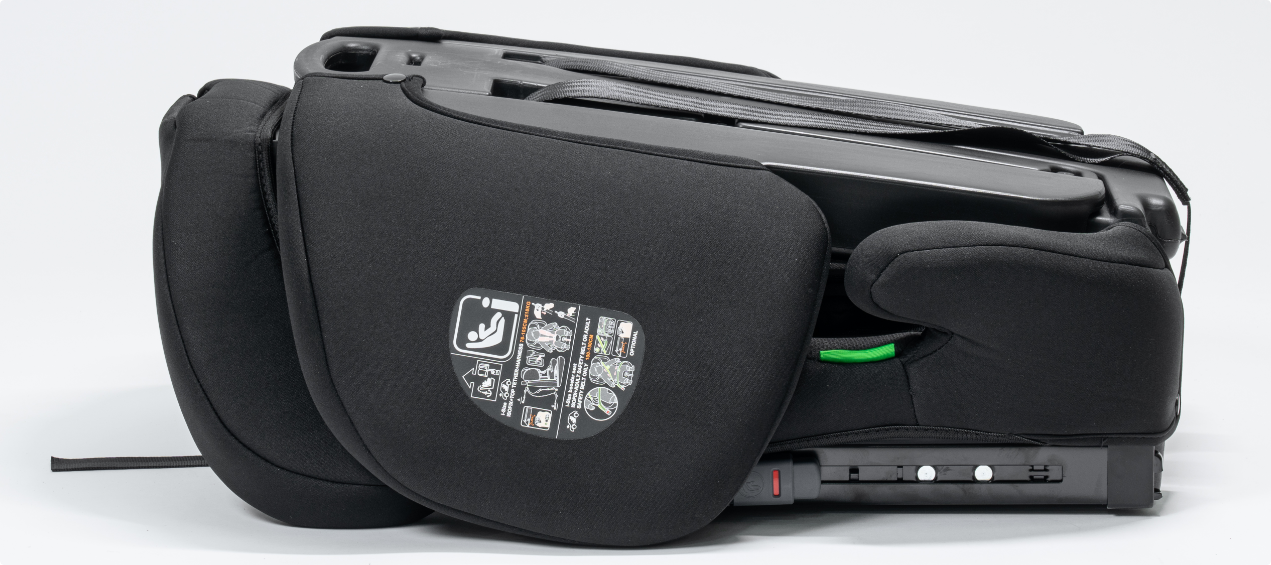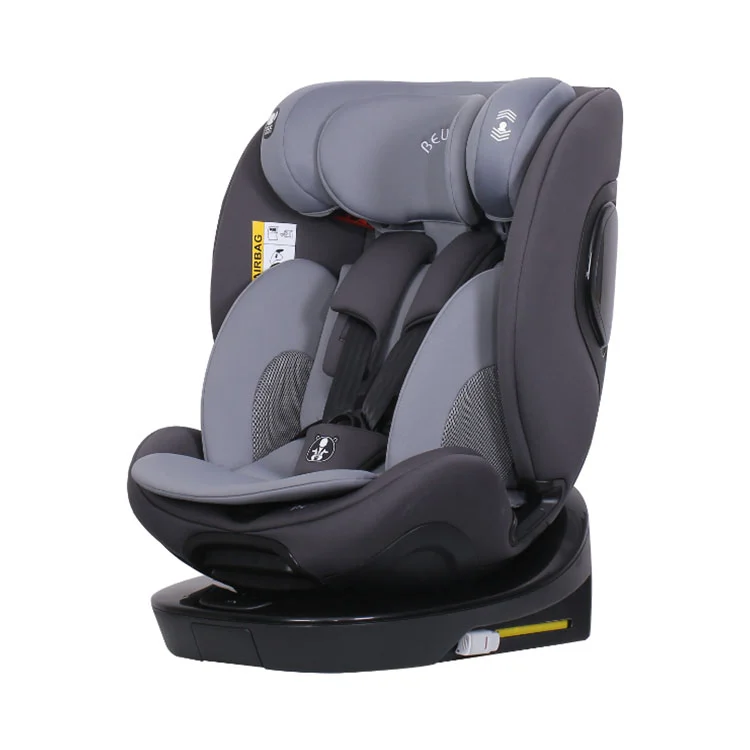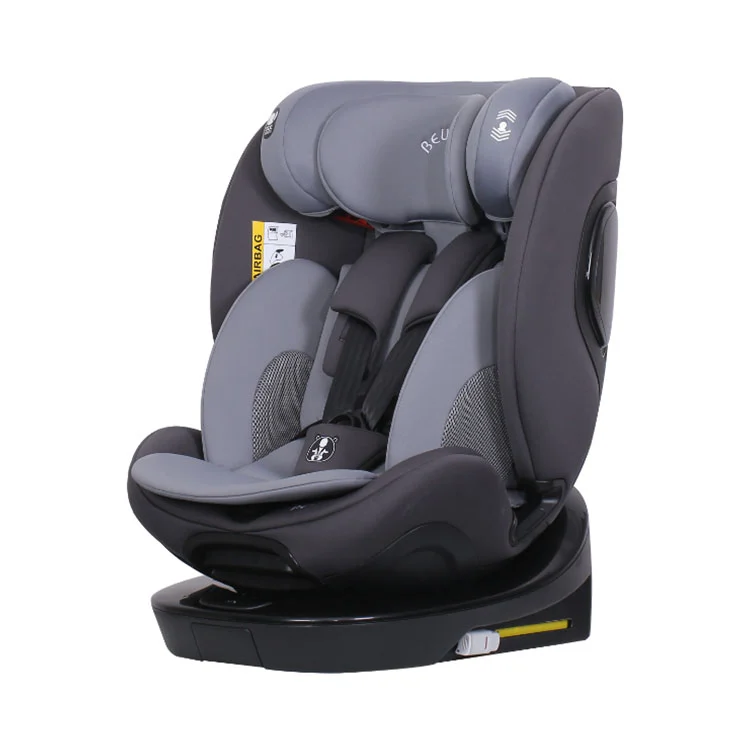
A baby car seat specification sheet should fix the target market, exact product platform, approval identity, declared child size range, installation method, orientation, restraint configuration, materials, color references, artwork revisions, manual languages, packaging and acceptance evidence. Do not send entries such as "European certificate," "standard black" or "same as sample." They force the factory to guess. Use one version number across the RFQ, sample record and production specification so every approved change remains traceable.
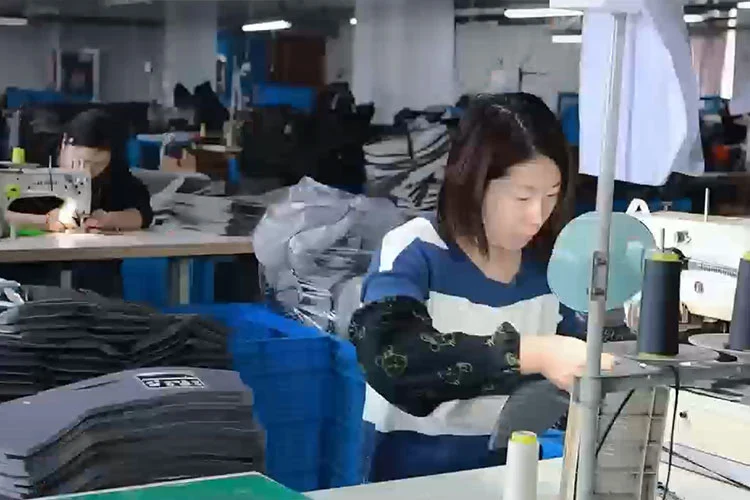
Do not approve a baby car seat sample from appearance alone. First identify the exact model and compliance configuration. Then inspect hidden construction, install the seat without factory coaching, operate every adjustment, compare labels and instructions with the physical seat, and record all accepted details in a signed golden-sample file. If the certificate, sample or production specification does not match, the sample is not ready for bulk production.
Car seats sold in regulated markets are subject to material testing as well as crash testing. A compliant seat is checked for flammability, toxicity, RoHS and REACH — rules that restrict heavy metals and hazardous substances. The smell of a new seat is off-gassing from fresh plastics, foams and adhesives, and it fades with airing. The two things most within your control: buy a seat that carries current certification and documented material testing, and do not add aftermarket covers or padding, which are outside all of it.
Fit is decided by the car, not the seat. Check five things: whether the seating position has ISOFIX anchors, whether it has a top tether anchor, whether the floor is solid or hides an underfloor storage bin, how much front-to-back room there is for a rear-facing seat, and the width if you need more than one seat side by side. Also confirm the seat's approval type: an i-Size universal seat fits any i-Size marked position, while a vehicle-specific approval comes with a compatibility list you must check.
Four features do the real protective work: side-impact protection, a five-point harness, energy-absorbing foam in the shell, and a proper third anchor (support leg or top tether) on an ISOFIX seat. Several more are genuinely useful because they prevent mistakes — install indicators, a no-rethread harness, rotation. And a handful are comfort or convenience sold as safety, with memory foam the most common example. If a feature has no effect on how force travels through the seat, it is not a safety feature.