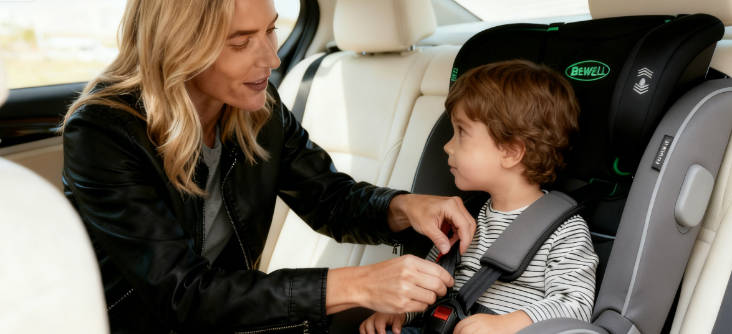
In the fast-paced world of modern parenting, few challenges rival the epic battle of getting a squirmy toddler or defiant preschooler into their car seat without a meltdown.
In an era where family road trips have become a staple of modern life, the conversation around child passenger safety has never been more urgent. With the global rise in personal vehicle ownership—particularly in emerging markets like Asia and the Middle East—parents are grappling with a fundamental question: Are booster seats, often referred to as child safety seat cushions or height enhancers, truly necessary for older kids?
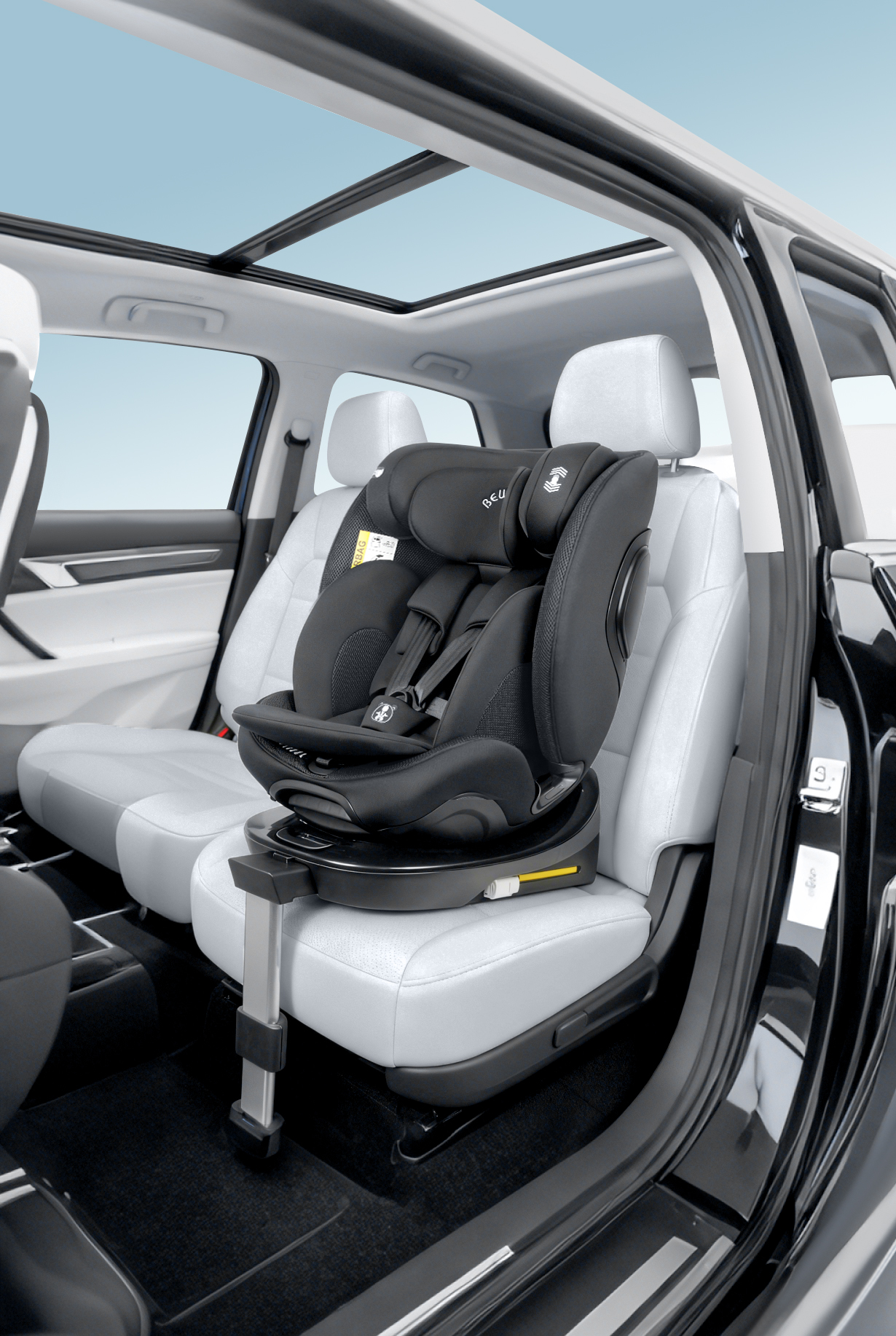
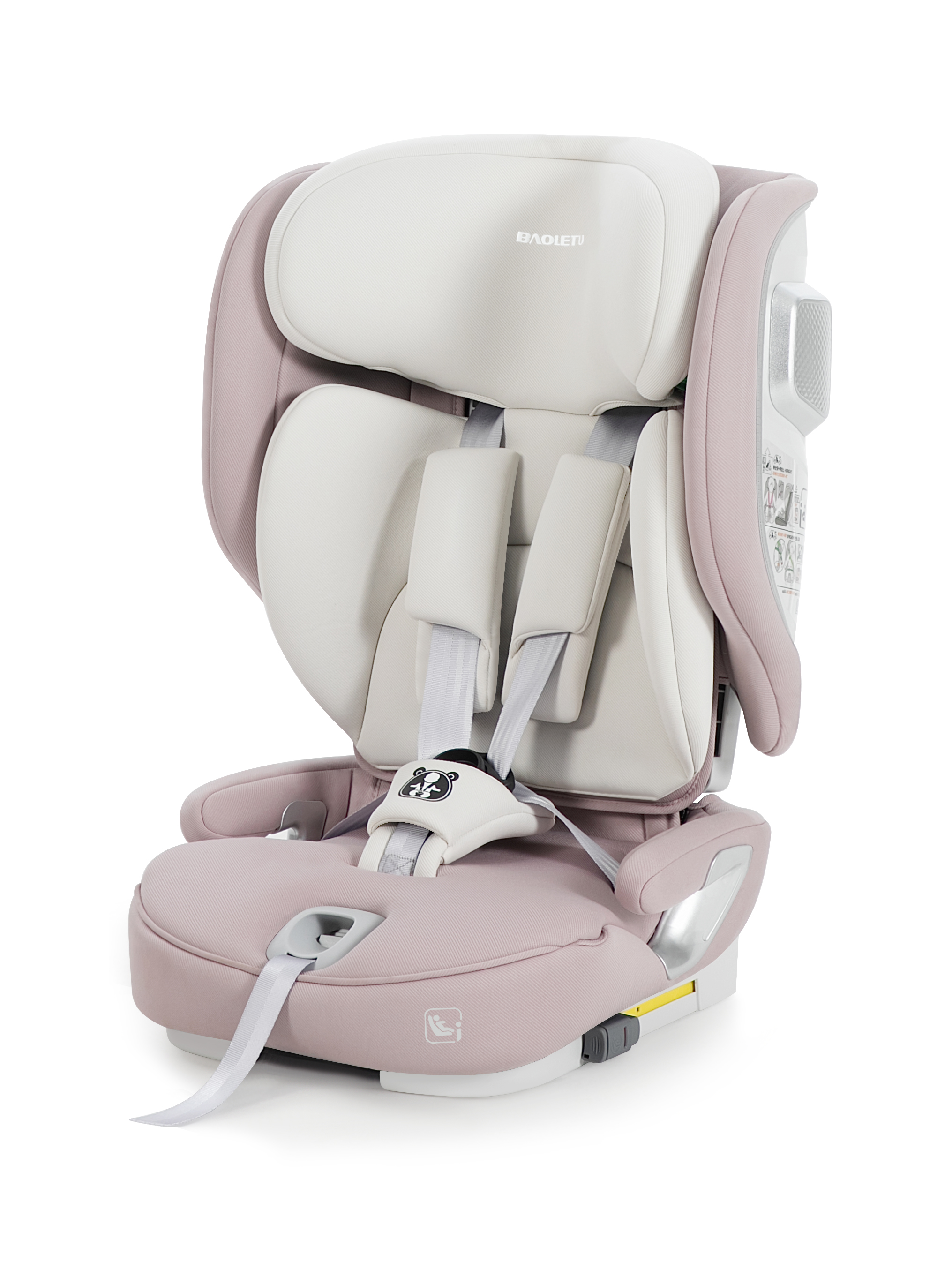
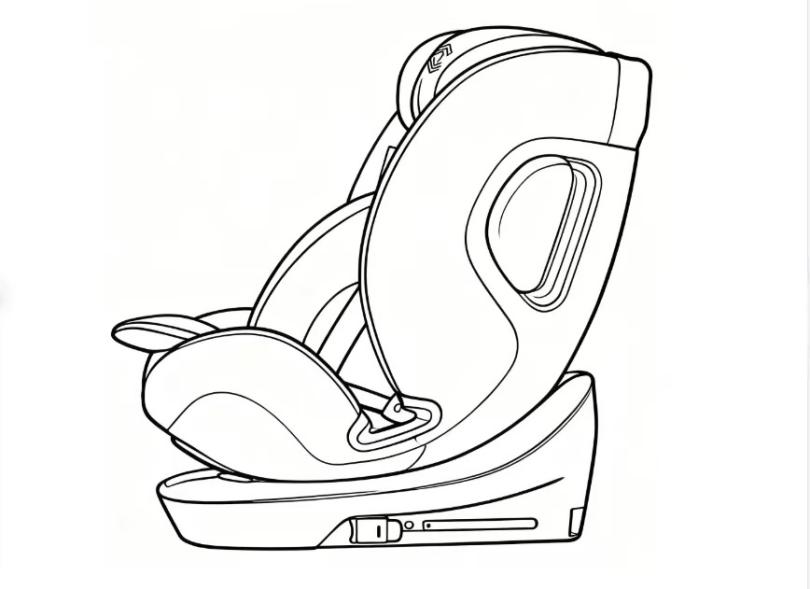
With the growing demand for family travel, children's car safety has become a core concern for parents. For newborn families, selecting the "first car seat" is even more crucial — it not only serves as a "mobile safety capsule" for babies during travel but also accompanies children from infancy to school age, adapting to the full height development stage of 40cm to 150cm
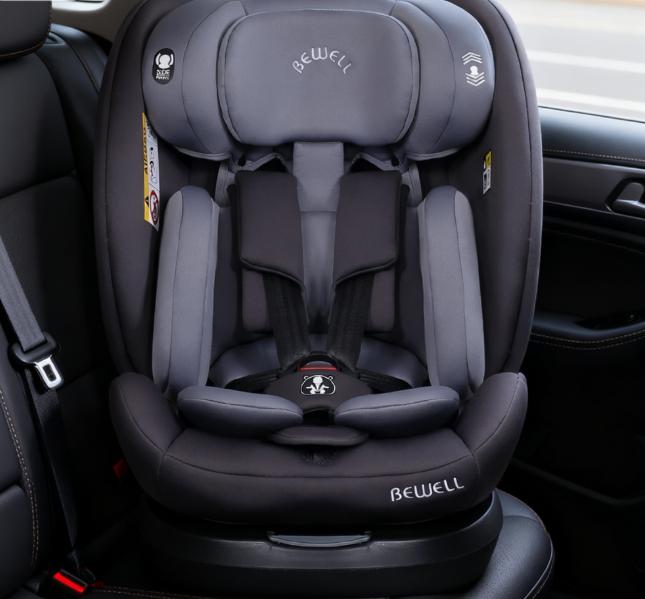
On parents’checklists for child safety seats, "recline angle" is often equated with "comfort." However, few realize that this design—seemingly about whether a baby can sleep soundly—is actually a core line of defense for protecting young lives. From anatomical characteristics to global regulatory requirements, from laboratory data to real accident cases, every degree of tilt embodies in-depth considerations for children’s safety.
As a parent, you know that car seats are lifesavers—literally. But they're also magnets for messes: diaper leaks, snack crumbs, drool, and the occasional carsickness incident.