

There's a strap on the back of your forward-facing car seat that most parents never clip in. It hangs there, tucked away, doing nothing.
That strap is the top tether. And leaving it unclipped is one of the most common — and most dangerous — car seat mistakes in the country.
Here's what it does, why it matters, and how to use it in about two minutes.
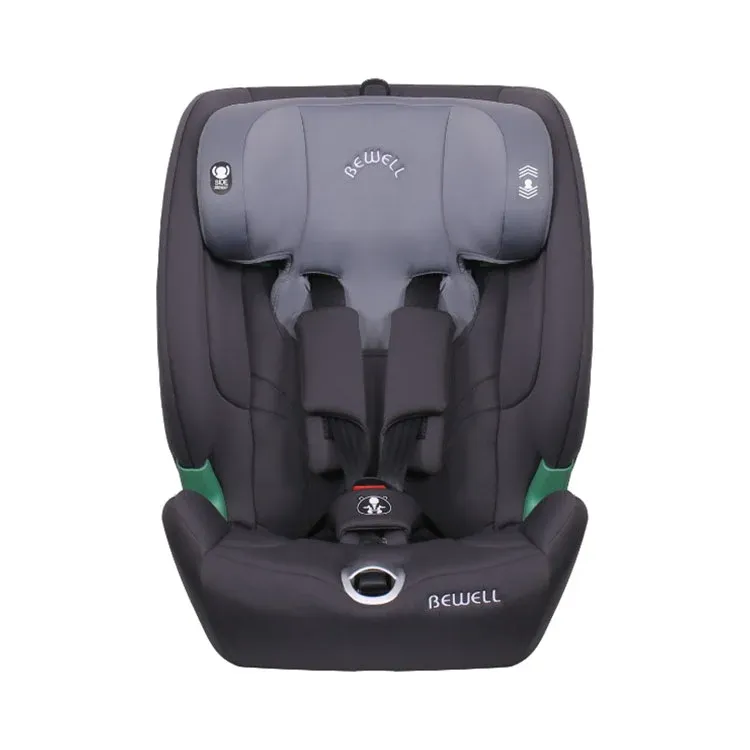
What Is a Top Tether?
A top tether is a strap built into the top of a forward-facing car seat. It has a hook on the end. That hook clips to a metal anchor point in your vehicle, usually located behind the seat.
Think of it as the seat's third point of contact. The bottom of the seat is held by LATCH or the seat belt. The tether holds the top. Without it, the top of the seat is free to swing forward.
Important distinction: the top tether is a forward-facing component. For rear-facing installs in the U.S., you generally don't use it — we cover that in our rear-facing installation guide.
Why 64% of Parents Don't Use It
Roughly two out of three forward-facing seats on the road have an unattached top tether. Why?
A few reasons, and none of them are good:
- They don't know it exists. The strap is tucked behind the seat. If no one points it out, it's easy to miss.
- They can't find the anchor. Vehicle tether anchors are hidden in different spots depending on the car. Frustration leads to giving up.
- They think LATCH is enough. LATCH holds the bottom. The tether holds the top. They do different jobs.
The cost of skipping it isn't theoretical. It's measured in inches of head movement — and in a crash, inches matter.
How a Top Tether Prevents Head Injury
Picture a forward-facing seat in a frontal crash.
The bottom of the seat is anchored. But momentum throws the whole seat forward, and because only the bottom is held, the top pivots — rotating toward the front of the car. Your child's head goes with it.
That forward rotation is called head excursion. The more the seat rotates, the further your child's head travels — and the more likely it is to strike the back of the front seat, a window, or another surface.
The top tether stops that rotation. By anchoring the top of the seat, it holds everything in place. Crash testing shows a properly attached tether reduces forward head movement by up to 6 inches. Six inches can be the difference between a scare and a head injury.
How to Find the Tether Anchor in Your Car
Every vehicle made since 2000 (in the U.S.) has tether anchors. The trick is knowing where to look — and it changes by vehicle type.
| Vehicle Type | Where the Tether Anchor Usually Is |
|---|---|
| Sedans | On the rear deck / parcel shelf, behind the back seat |
| SUVs / hatchbacks | On the back of the seatback, the cargo floor, or the ceiling |
| Minivans | On the back of the seatback or the ceiling |
| Pickup trucks | On the back of the seatback (behind the headrest) |
The anchor is marked with a tether symbol — a little icon that looks like an anchor or a seat with a strap. Your vehicle manual has the exact location under "child restraint anchor" or "tether anchor."
How to Attach the Top Tether Correctly
Once the seat itself is installed forward-facing, attaching the tether takes about a minute.
- Route the tether strap. Most seats route it straight back, over the top of the vehicle seat. Some require it to go around the headrest or through a specific opening — check your seat's manual.
- Locate the correct anchor (see the section above). Confirm it's the marked tether anchor, not a cargo hook.
- Clip the tether hook onto the anchor. You'll feel it latch.
- Tighten the strap until it's snug. Not guitar-string tight — just firm, with no slack hanging.
- Check that the strap isn't twisted. A twisted tether doesn't distribute force evenly.
If you haven't installed the seat itself yet, start with our step-by-step installation guide first, then add the tether.
When Do You NOT Need a Top Tether?
The tether isn't used in every situation:
- Rear-facing seats (U.S.): Generally no tether. The physics are different — a rear-facing seat doesn't rotate the same way. (Some European i-Size models and Swedish-style seats do use rear-facing tethers; always check your manual.)
- Booster seats: No tether. A booster uses the vehicle's own seat belt to restrain the child, so there's nothing to tether.
- Infant-only seats: These are rear-facing only, so no top tether in normal use.
If you're unsure which stage your child is in, our guide on rear-facing vs forward-facing breaks down each one.
Common Top Tether Mistakes
❌ Not using it at all. The big one. 64% of forward-facing seats. Don't be in that group.
❌ Clipping to the wrong point. Cargo hooks and luggage loops look similar but aren't crash-rated. Only the marked tether anchor works.
❌ Leaving it loose. A tether with slack still lets the seat rotate before it catches. Tighten until snug.
❌ Twisting the strap. A twisted strap concentrates force on a smaller area. Keep it flat.
❌ Using it rear-facing without manual approval. Don't improvise. Follow what your specific seat's manual says.
FAQs
Is a top tether required by law?
Car seat laws vary by state and most don't specifically mandate tether use, but every car seat manufacturer and NHTSA strongly require it for forward-facing installs. Skipping it means you're not using the seat as designed.
What if my car doesn't have a tether anchor?
Almost all U.S. vehicles from 2000 onward have them. If yours genuinely doesn't, contact your vehicle manufacturer — some offer retrofit kits. Until then, a rear-facing setup (which doesn't need a tether) may be the safer option.
Can I use the top tether for a rear-facing seat?
Usually not in the U.S. — it's a forward-facing component here. Some seats and standards allow rear-facing tethering, but only if your specific manual says so. Never improvise.
How tight should the top tether be?
Snug, with no slack. You shouldn't be able to lift a loop of strap. But it doesn't need to be cranked down like a ratchet — firm and flat is the goal.
Where is the tether anchor in an SUV?
Usually on the back of the seatback, the cargo floor, or the ceiling — it varies by model. Look for the tether symbol, and check your vehicle manual to be sure you're using the real anchor, not a cargo hook.
Does the top tether replace LATCH?
No. They work together on a forward-facing install — LATCH (or the seat belt) holds the bottom, the tether holds the top. Both are needed.
The Bottom Line
The top tether is the easiest safety upgrade you'll ever make. It costs nothing, takes a minute, and reduces your child's head movement in a crash by up to 6 inches. The only catch is remembering to clip it in — and not clipping it to the wrong thing.
If you want a seat that makes this foolproof, our BW17 with integrated top tether system is built with a clearly routed tether and labeled hardware, so there's no guessing about where the strap goes. Every Bewell forward-facing model is independently crash-tested and certified to ECE R44/04 or i-Size R129.
Go check the back of your car seat right now. If that strap is hanging loose, you know what to do.
About the Author
This article is for informational purposes. Always consult your car seat's manual and your vehicle's manual for tether routing and anchor locations specific to your situation.
Sources:
- National Highway Traffic Safety Administration — Tether Use and Forward-Facing Installation
- American Academy of Pediatrics — Child Passenger Safety Policy Statement (2018, reaffirmed February 2025)
- Safe Kids Worldwide — Car Seat Inspection Network
- UNECE Regulation No. 129 (i-Size) — Enhanced Child Restraint Systems