

Your kid threw up in the car seat. Or ground a granola bar into the harness. Or both, on the same Tuesday.
Now you need to clean it. But a car seat is not a couch cushion. Wash the wrong part the wrong way, and you can quietly destroy the safety hardware inside it.
We build car seats. This guide covers how to clean a car seat part by part — and the one mistake that ruins more seats than any crash.
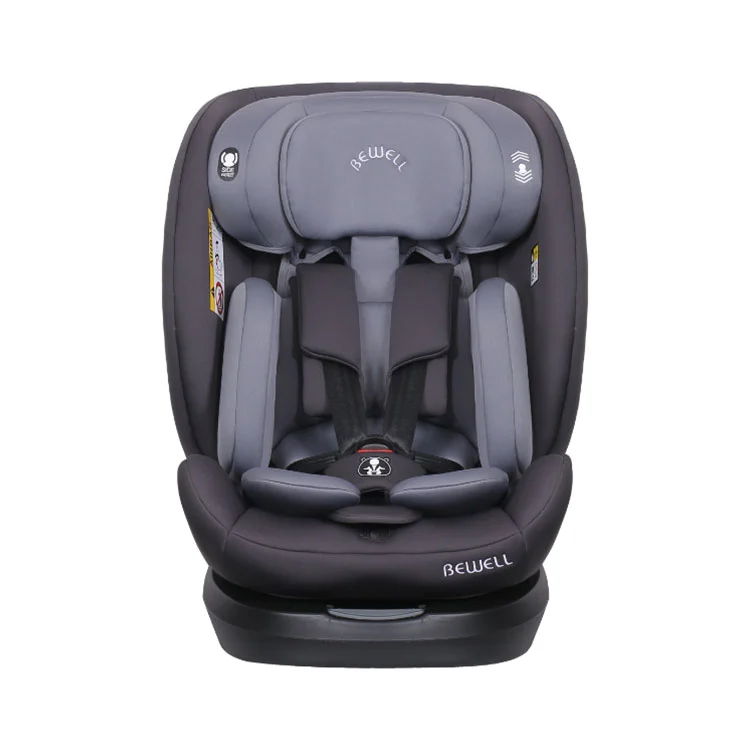
The One Rule: Never Machine-Wash the Harness Straps
Start here, because this mistake is permanent. Never put harness straps in a washing machine. Never soak them. Never bleach them.
Here is why. Harness webbing is built to stretch a small, controlled amount in a crash. That stretch extends your child's stopping time by milliseconds — engineers call it "ride-down" — and those milliseconds cut the force on your child's body.
A washing machine pulls that stretch out early. Soaking and bleach attack the fibers themselves. The straps look identical afterward, but they restrain differently in a crash. You cannot see the damage, and you cannot undo it.
The straps do the same crash-force job we explain in our guide to how car seats protect your child in a crash. Protect them, and they protect your child.
Cleaning Guide by Part
Each part of a car seat takes a different cleaning method. This table covers all five. Your manual overrides everything here — check it first.
| Part | Safe method | Never do this |
|---|---|---|
| Fabric cover | Machine wash, gentle cycle, mild detergent — if the manual allows. Air dry. | Dryer, bleach, hot water |
| Harness straps | Damp cloth + mild soap. Wipe along the webbing. Air dry, ideally in sunlight. | Machine wash, soak, bleach, vinegar, scrubbing |
| Buckle | Swish in warm water. Shake out. Air dry until it clicks cleanly. | Soap, lubricants, submerging the strap end |
| Plastic shell | Soft cloth, warm water, mild soap. | Pressure washers, solvents, abrasive pads |
| Base and ISOFIX arms | Damp cloth. Clear crumbs from the connectors. | Lubricants on any moving part |
Notice the pattern. Water and mild soap clean almost everything. Machines, chemicals, and force cause almost every cleaning injury a car seat suffers.
Deep Clean in 6 Steps
Set aside 30 minutes plus drying time. Film yourself removing the cover — reassembly is the step everyone regrets skipping.
- Vacuum everything. Use a crevice tool. Crumbs hide under the pad, in the belt path, and inside the buckle.
- Remove the cover. Record a video first. Covers attach with hooks and elastic loops that all look the same at 9 p.m.
- Wash the cover. Gentle cycle, mild detergent, cold water — if your manual permits machine washing. Otherwise, spot clean by hand.
- Wipe the straps. Damp cloth, drop of mild soap, wipe in one direction. Rinse the cloth and wipe again to lift the residue.
- Rinse the buckle. Hold the strap end up and swish only the buckle in warm water. Click it a few times underwater to flush grit. Air dry.
- Air dry everything, then reassemble. Sunlight kills odors. Confirm every hook, loop, and strap sits exactly where it started, and check the harness for twists.
After reassembly, run the tightness checks from our step-by-step installation guide. A cleaned seat that goes back in loose protects no one.
The Baking Soda Question, Settled
Search this topic and you will find advice that contradicts itself. Several cleaning blogs recommend scrubbing straps with baking soda paste. Child passenger safety technicians say the opposite: keep baking soda off the harness.
The technicians are right, and here is the reason. Baking soda works as a mild abrasive — that is exactly why it scrubs well. Abrasion breaks webbing fibers one at a time, the same way steel wool would, just slower.
One broken fiber means nothing. Thousands, ground in with a toothbrush, weaken the strap. Use baking soda on your kitchen sink. Keep it off the one strip of fabric rated to hold your child in a crash.
The Vomit Protocol
Vomit is the mess that sends most parents to this article. Move fast — the smell sets within hours.
- Scrape and vacuum first. Remove solids before adding any liquid.
- Cover: machine wash if allowed. The smell lives in the fabric.
- Straps: wipe with mild soap and water, several passes. Then dry them in direct sunlight — sun neutralizes odor without chemicals.
- Buckle: vomit inside the buckle jams it. Swish in warm water and click repeatedly until it snaps crisply.
Smell still there after two rounds? Order a replacement cover or harness from the manufacturer. Replacing a part costs less than replacing the seat — and far less than tolerating the smell for two years.
When Cleaning Is Not Enough
Some problems live beyond soap. Replace the part — or the seat — when you hit any of these:
- Mold. Mold roots inside foam and webbing. Surface wiping hides it without killing it.
- Frayed or cut webbing. Damaged straps fail under load. No cleaning fixes structure.
- A buckle that will not click. If rinsing fails, replace the buckle. Never oil it.
- A seat past its useful life. Materials age out no matter how clean they stay.
Not sure about that last one? Check the date label — our guide on car seat expiration shows where to find it and how to read it.
FAQs
Can you machine wash car seat straps?
No. The machine pulls the crash-absorbing stretch out of the webbing and weakens the fibers. Wipe them with a damp cloth and mild soap instead. If you already machine-washed them, replace the harness.
Can you machine wash a car seat cover?
Often, yes — on a gentle cycle with mild detergent. But check your manual first. Some covers are spot-clean only, and almost none survive a dryer. Air dry, always.
How do you clean a car seat buckle?
Swish the buckle in a cup of warm water. No soap — the residue gums up the spring. Click it a few times underwater to flush out crumbs, then air dry until it clicks cleanly.
What soap is safe for car seat straps?
Anything mild and pH-neutral. Diluted dish soap or baby wash both work. Skip bleach, vinegar, stain removers, and anything labeled heavy-duty — those chemicals attack the webbing the same way abrasion does.
How often should you clean a car seat?
Vacuum monthly. Deep clean two or three times a year, or the same day anything soaks in. Waiting turns a five-minute wipe into a full teardown.
Can I use Clorox wipes or disinfectant spray on a car seat?
Not on the straps or buckle. Disinfectant chemicals degrade webbing over time. On the plastic shell, a wipe followed by a clean damp cloth is fine. For fabric, wash it instead of spraying it.
The Bottom Line
Cleaning a car seat is simple once you know the boundary: fabric can take a machine, safety hardware cannot. Wash the cover. Wipe the straps. Rinse the buckle. Air dry everything.
And remember the one rule above all others — the harness straps never see the inside of a washing machine. They have one job, and it happens in a tenth of a second.
Shopping for a seat that cleans easier? Every Bewell seat uses non-toxic fabric chosen for daily contact with a child's skin. Browse the full ECE R129 certified range, or see how each model handles the whole childhood in our car seat stages guide.
About Bewell
This article gives general guidance. Your car seat's manual overrides it — always check the manual before cleaning any part.
Sources:
- National Highway Traffic Safety Administration (NHTSA) — Car Seats and Booster Seats
- Car Seats for the Littles (CPST organization) — car seat cleaning and harness care guidance
- Buckle Up for Life (Toyota / Cincinnati Children's Hospital) — car seat cleaning guidance
- Bewell 2026 Product Catalogue — material specifications