I. What is the rear-installation of child car safety seats?
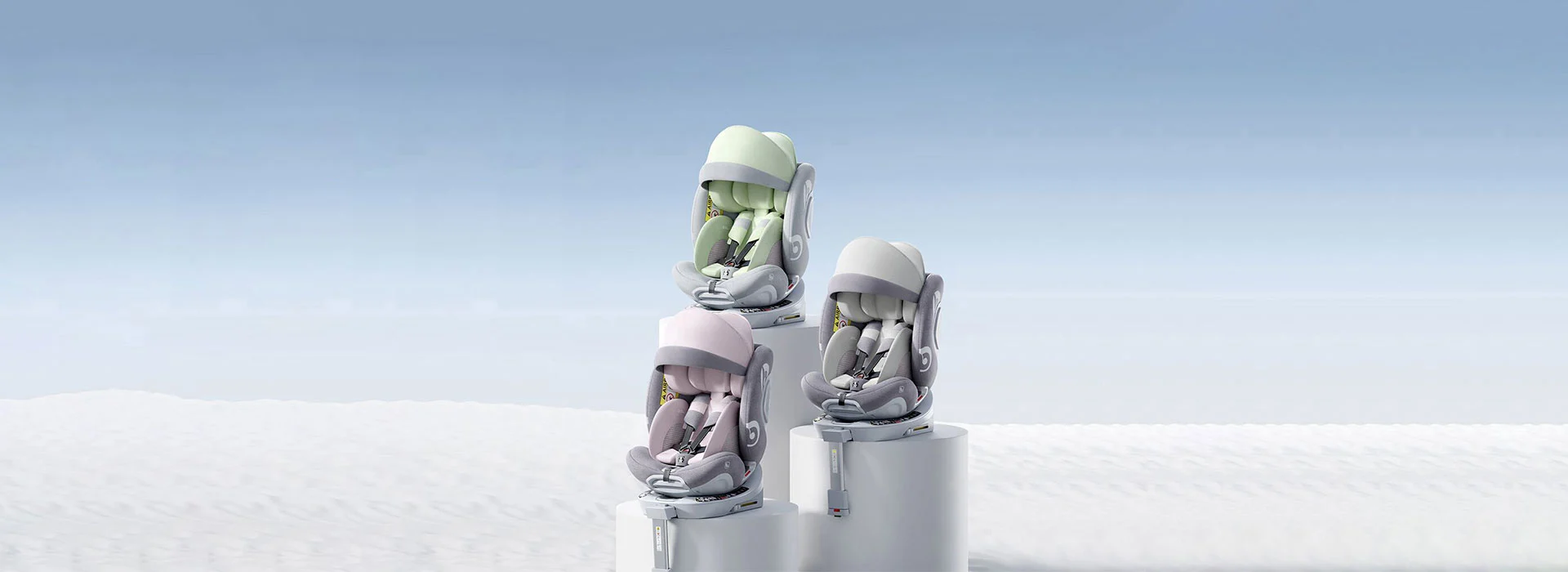
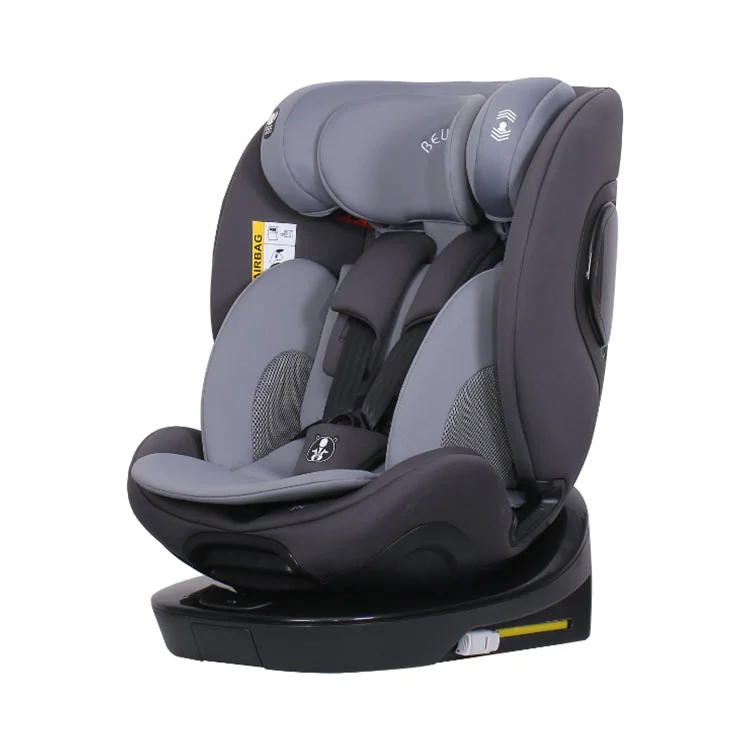
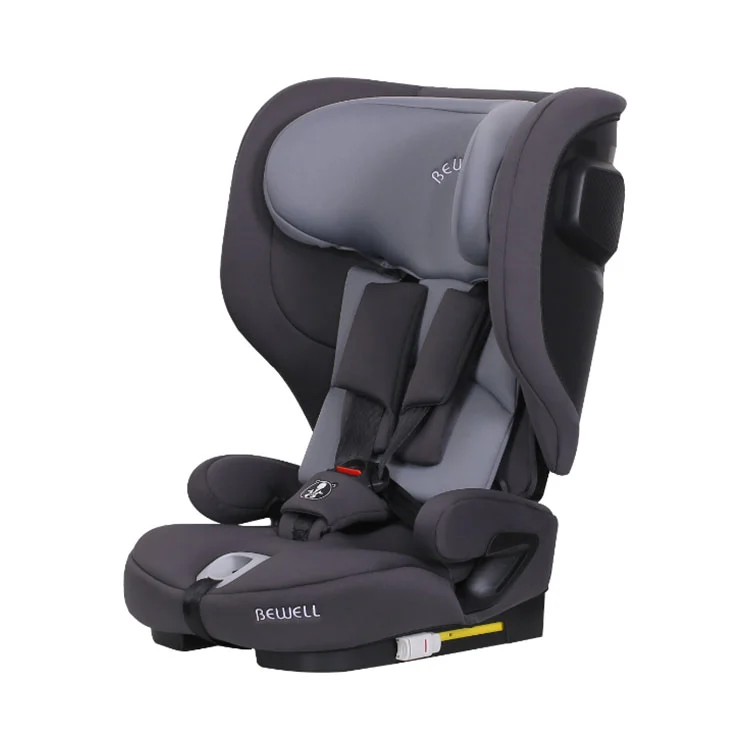
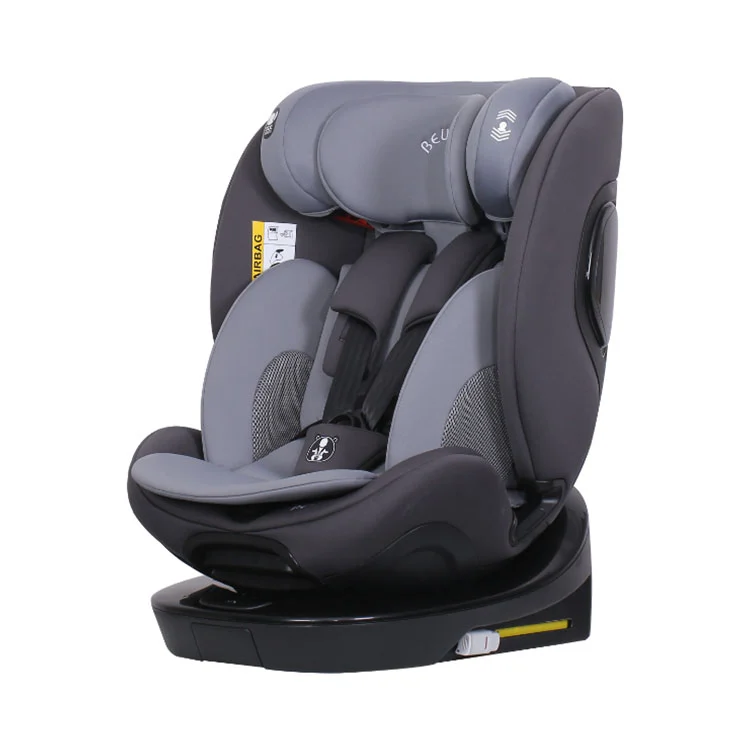
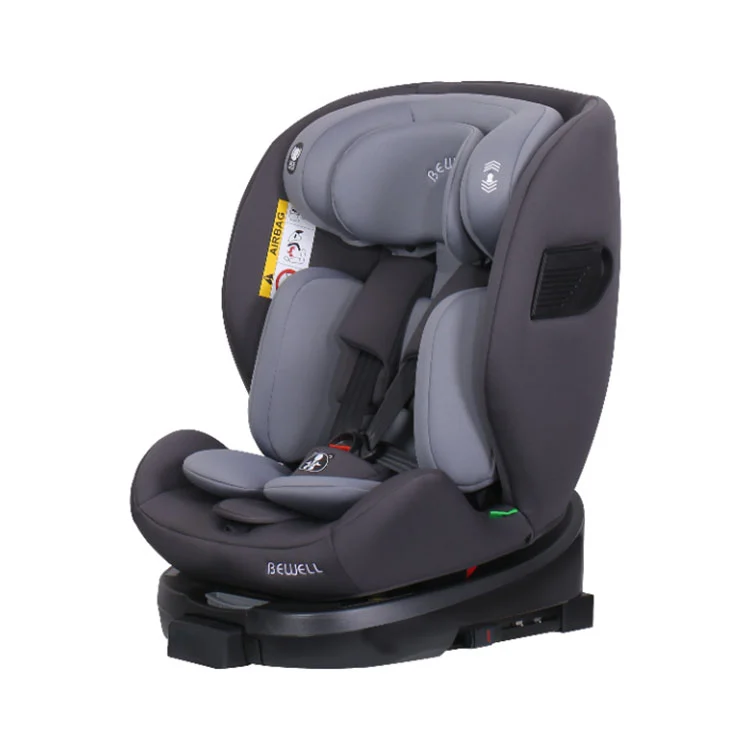
Rear installation, also often known as reverse installation and rear installation, is the installation method in which the child safety car seat for rear-facing installation and the child sits facing the rear of the vehicle. It is also the official priority installation mode in the infant stage. The installation method is mainly suitable for newborns, babies and young children aged 0–4 years old infant car seat and weighing 0–18kg, covering mainstream categories such as baby baskets, 360° rotatable safety seats, and two-way seatable safety seats. Bewell includes BW25, BW23 and BW22 styles that can be installed in reverse rotation to meet the needs of different consumers.
Many parents are used to installing safety seats directly forward after their children are born. They think that it is not easy for children to cry when they can see ahead, but ignore the physiological characteristics of infants and young children: the cervical spine and spine of newborns are not yet mature, the weight of the head accounts for nearly a quarter of the body, and the muscle strength of the neck is weak. Once the vehicle suddenly brakes and collides, the huge inertia when riding forward will instantly pull the head forward, which is very easy to cause cervical spine strain, fractures and even fatal injuries. The reverse installation relies on the backrest of the seat to undertake the impact force, and the impact force is evenly distributed over the child's back and trunk, so as to avoid the momentary pulling force on the neck. It is the most scientific way to protect the car in the infant stage. According to the recommendation of the global authoritative travel safety agency, it is best for children to ride in reverse until they are over 2 years old, and the conditions allow to use it until they are 4 years old to minimize the risk of injury caused by traffic accidents.
1. Newborns are discharged from the hospital at home and short-distance travel during infants and young children
The baby is fragile at birth. Whether it is going home from the hospital, going to the hospital for regular physical examination and vaccination, short-distance driving, you must use a child safety car seat for rear-facing installation. There are also safety hazards in sudden emergency braking when driving at low speed. Reverse installation can fully protect the undeveloped bones and cervical spine in an all-round way.
2. Daily commuting to and from school, short-distance commuting to and from parents and children
0–4-year-old children go out daily, go shopping in the supermarket, travel in the neighborhood, and ride in reverse in the fixed rear row. On the way, children can rely on the back of the seat to sleep stably and reduce the discomfort caused by bumps.
3. Long-distance self-driving and cross-provincial travel on holidays
The road conditions of long-distance driving are complex, and the probability of high-speed tailgating and sudden braking of the front car is greatly improved. The reverse installation can buffer the impact force in high-intensity collisions. Even if you ride for a long time, the lying posture of infants and young children is not easy to get tired, which can effectively alleviate the crying of the journey.
4. Online car-hailing, car rental, multi-family carpooling
360 Rotating Car Seats can quickly switch the reverse installation mode. It is convenient to disassemble and install when multiple vehicles are used alternately. It can also be quickly fixed when carrying it when going out, so as to avoid safety loopholes without protection for temporary rides.
5. Multi-wheel replacement for two-child families
Family vehicles pick up and drop off children, whether they are five-seater or seven-seater, reverse installation adapts to the ISOFIX interface of most household models, which is fixed and stable, and the elders can also quickly complete the installation operation.
III. Core safety advantages of reverse installation: the protection ability is much higher than that of forward installation
1. Comparison of safety factor data
According to the European Union ECE safety test and the statistics of a large number of collision experiments of the NHTSA National Highway Traffic Safety Administration of the United States: when a vehicle collides head-on, reverse installation can reduce the probability of fatal injury to infants and young children by more than 75%. Compared with forward installation, the risk of neck injury is directly reduced by 90%.
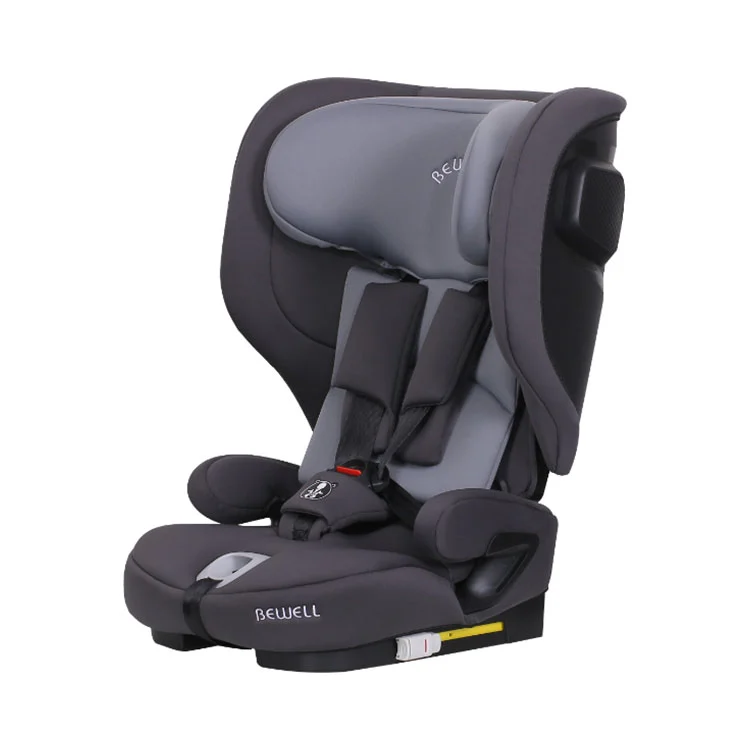
Frontal collision is the most common type of accident in traffic accidents. The instantaneous braking of the vehicle will produce an inertial force several times that of human body weight. When infant car seat for forward-facing installation, the inertia makes the child's body rush forward, and the seat belt binds the trunk, but the head relies on the neck traction to throw forward.So forward-facing installation is only suit for children with more than 4years. The fragile cervical spine cannot withstand the huge pulling force, which is very easy to cause high-level paraplegia and craniocerebral injury. In the reverse installation state, the child's back is close to the back of the seat, and the impact will be evenly distributed throughout the back area. The head is firmly wrapped and limited by the seat headrest, and the neck will hardly be pulled, avoiding the most fatal neck trauma from the root cause.
Relevant tests show that a frontal impact occurs at the same speed, and the impact force of the cervical spine of infants and young children installed in the forward is about 5–7 times that of the reverse installation. For infants under 1 year old, the probability of collision death and disability in forward riding is more than 4 times that in reverse riding, which is also the core reason why laws in many countries in Europe and the United States require infants to ride in reverse until they are 2 years old.
2. The design can lie down, taking into account safety and comfort baby car seat.
In the reverse installation mode, the safety seat can adjust the large lying angle, and the newborn can be close to the flat lying posture, which can effectively prevent the baby from suffocking and spitting up milk while driving, and protecting the fragile respiratory system; the wrapped headrest and the anti-collision protection structure on both sides can also buffer the impact force in the event of a side collision. With ISOFIX + double fixation of the pull-up belt, the seat will not be turned over and displaced.
3. Reduce the physical damage caused by driving bumps
The bumps caused by vehicle acceleration, deceleration and speed bumps will make the infant's head shake back and forth. Relying on the seat support in reverse, it can greatly limit the amplitude of head shaking, which can not only protect the cervical spine, but also make the baby sleep stably and reduce motion sickness, irritability and crying.
IV. Reverse installation, correct installation diagram description
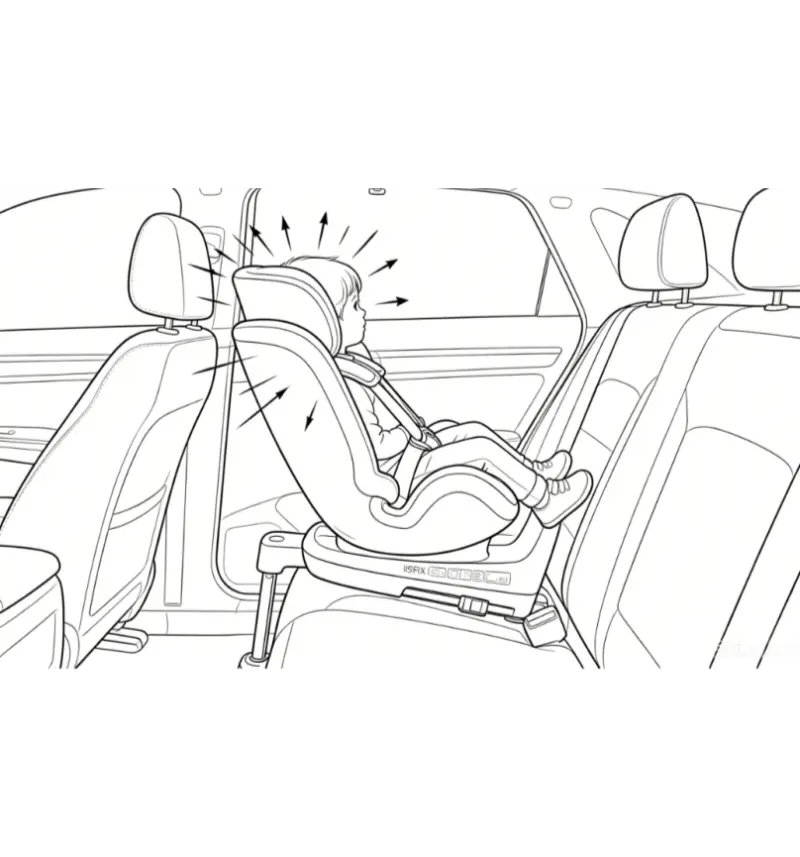
The child safety car seat for rear-facing installation position of the car, the safety seat is fixed facing the rear of the car, and the child faces the rear windshield of the vehicle;
The bottom of the seat is rigidly connected to the body through the ISOFIX interface, and the top is tightened and fixed with the infant car seat with top tether system pull-up strap for double anti-turning;
The child's whole body is backed against the seat backrest, the five-point seat belt fits the shoulders, chest and crotch, the headrest wraps the head, and the backrest carries all the impact force when the vehicle collides;
The diagram marks the direction of the force: the impact force of the collision is dispersed backwards to the entire back of the seat, and there is no force of pulling the neck forward, which clearly compares the force defects of the forward installation.
V. Precautions for reverse installation and use
First, it is forbidden to place the reverse installation in the co-pilot position, especially the vehicle is equipped with front airbags. The ejection of the airbag will directly impact the child safety seat, causing fatal injury. It must be fixed in the left and right seats of the rear of the vehicle.
Second, the reverse installation needs to reserve leg space for the front seat. The front seat can be moderately adjusted forward to ensure that the lying angle of the safety seat is in line with the 100°-150° safety range. It is recommended that the lying angle of newborns be about 130° to prevent choking.
Third, do not switch the forward installation too early so that the child can see the front. Strictly follow the weight and age usage specifications. It is recommended to ride the reverse until the child is 2 years old and then change the forward mode according to the height and weight.
Fourth, give priority to two-way safety seats with ISOFIX hard interface. Compared with the on-board seat belt fixing method, the hard interface fixation offset is smaller, the stability in collision is stronger, and the safety protection effect is improved by about 30%.
VI. Summary
Reverse installation is not an optional way to ride, but a safety protection plan that must be given priority in the infant stage. With the hardcore safety advantages of reducing the risk of neck injury by 90% and improving the protection of fatal injuries by 75%, reverse installation has long become a unified safety standard in the field of global infant and child travel. Whether it is the daily physical examination of newborns, short-distance home travel, or long-distance self-driving, car rental carpooling and other scenarios, reverse installation can rely on the backrest to disperse the impact force and protect the immature cervical spine, spine and cranio brain of infants and young children in an all-round way. Parents need to abandon traditional cognitive misunderstandings, install and use safety seats in reverse in strict accordance with safety standards, and use scientific protection methods to build a strong safety defense for their children every time they go out.