When it comes to protecting young children on the road, no product carries as much importance as the baby car seat. A baby car seat is not simply an accessory; it is a safety necessity designed to safeguard infants and toddlers in case of sudden stops, collisions, or other unexpected driving conditions. By distributing crash forces and restraining movement, a properly chosen car seat drastically reduces the risks of serious injury.
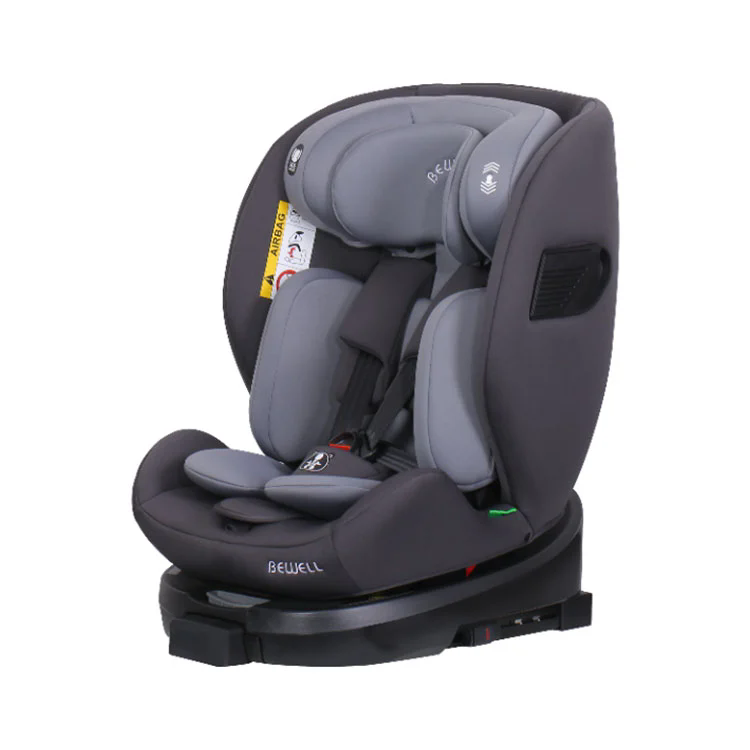
Parents and guardians across the globe rely on baby car seats because they address two critical responsibilities: ensuring safety and complying with legal requirements. Most countries have strict regulations mandating the use of age-appropriate car seats, underlining their universal value. What sets baby car seats apart is the combination of protective engineering and comfort-focused design that evolves with a child’s growth stages.
To understand their technical capabilities, here is a concise overview of typical product parameters:
|
Parameter
|
Details
|
|
Product Type
|
Infant car seat / Convertible car seat / Booster seat
|
|
Recommended Age Range
|
Newborn to 12 years (depending on model type)
|
|
Weight Capacity
|
From 0 kg to 36 kg
|
|
Seat Orientation
|
Rear-facing, forward-facing, convertible options
|
|
Safety Standards
|
ECE R44/04, FMVSS 213, or equivalent international certifications
|
|
Material Composition
|
High-density impact-resistant plastic frame, EPS foam padding, soft fabric
|
|
Harness System
|
3-point, 5-point, or adjustable belt systems
|
|
Additional Features
|
Side-impact protection, recline adjustment, removable covers, ISOFIX latch
|
|
Comfort Enhancements
|
Breathable cushions, ergonomic padding, multi-position recline
|
|
Installation System
|
ISOFIX, LATCH, or vehicle seatbelt
|
These specifications ensure that baby car seats not only meet international crash-test standards but also enhance day-to-day usability for parents. Comfort, ease of installation, and adaptability play as much of a role as impact resistance.
What Types of Baby Car Seats Should Parents Consider?
The diversity of car seats on the market reflects the different stages of a child’s growth. Each type addresses unique needs while maintaining safety as the priority. Understanding these categories helps families make informed decisions tailored to their child’s age, weight, and travel habits.
1. Infant Car Seats
-
Designed for newborns and infants up to around 12–15 months.
-
Rear-facing only, as this position provides the best protection for fragile neck and spinal structures.
-
Portable with detachable bases, allowing easy transfer between car and stroller.
2. Convertible Car Seats
-
Suitable for extended use as they transition from rear-facing to forward-facing.
-
Cover age ranges from infancy through early childhood.
-
Cost-effective since one seat supports multiple stages.
3. Combination or Harness-to-Booster Seats
-
Begin as forward-facing car seats with a harness.
-
Transition into high-back booster seats as children grow.
-
Ideal for children aged 3–12 years.
4. Booster Seats
-
Designed for older children who have outgrown harness systems.
-
Elevate the child so that the vehicle seatbelt fits properly across the chest and lap.
-
Available as backless boosters or high-back versions with additional support.
Each type of seat is tested against rigorous safety benchmarks. The decision lies in evaluating age, weight, and long-term usability, ensuring that the selected model grows alongside the child while maintaining maximum protection.
What Features Define Safety, Comfort, and Convenience in Baby Car Seats?
Parents are increasingly demanding baby car seats that combine reliability with practicality. It is not enough for a seat to meet minimum safety standards; it must also integrate features that enhance usability for caregivers while keeping children comfortable during journeys.
1. Safety Features
-
5-Point Harness Systems: Securely restrain shoulders, hips, and between the legs, distributing impact forces evenly.
-
Side-Impact Protection: Reinforced wings and energy-absorbing materials protect the head and torso.
-
ISOFIX/LATCH Connectors: Ensure solid attachment to the vehicle frame, minimizing installation errors.
-
Anti-Rebound Bars: Prevent excessive movement in the event of a frontal crash.
2. Comfort Features
-
Ergonomic Design: Cushions that conform to a baby’s posture reduce fatigue during long trips.
-
Breathable Fabrics: Keep children cool and reduce irritation in warm climates.
-
Recline Positions: Adjustable angles provide a safer sleeping position for infants.
-
Removable Covers: Washable fabrics simplify cleaning for busy parents.
3. Convenience Features
-
Lightweight Frames: Simplify transportation between vehicles.
-
Rotating Mechanisms: Some advanced models allow the seat to swivel, making it easier to place and secure the child.
-
Integrated Storage Pockets: Provide practical use during long journeys.
These features not only save time but also reduce stress, ensuring parents remain consistent in using the car seat correctly—because even the most advanced safety seat is ineffective if installed or used improperly.
What Do Parents Need to Know Before Choosing and Using Baby Car Seats?
While product specifications highlight technical details, families often have practical concerns about real-life use. Addressing these concerns helps bridge the gap between product knowledge and daily application.
Common Questions About Baby Car Seats
Q1: What is the safest position in the car for installing a baby car seat?
The safest position is the rear seat, preferably in the center, as it minimizes exposure to side-impact crashes. Rear-facing orientation should be maintained as long as possible, typically until the child reaches the upper weight or height limit allowed by the seat.
Q2: What should parents check when installing a baby car seat?
Parents should always ensure the seat is tightly secured with ISOFIX, LATCH, or vehicle seatbelt systems, with less than one inch of side-to-side movement. The harness straps should lie flat across the shoulders without slack, and chest clips should be aligned at armpit level for maximum effectiveness.
Guidance for Selection and Long-Term Use
-
Match Age and Weight Properly: Using the wrong seat for a child’s size compromises safety.
-
Check Certification Labels: Seats should display compliance with local or international safety standards.
-
Plan for Growth: Convertible and combination seats may be more economical for long-term use.
-
Maintain Regular Inspections: Ensure straps, connectors, and padding remain intact and functional.
-
Avoid Second-Hand Seats: Unless full crash history and certification are verified, second-hand products may pose risks.
By focusing on these practical guidelines, families not only maximize child safety but also ensure compliance with road safety laws in their regions.
Baby car seats stand as one of the most important safety investments parents can make. They protect children in critical moments, comply with strict global regulations, and evolve to provide comfort, convenience, and peace of mind. Understanding the types, features, and practical usage tips allows families to select seats that will serve them effectively for years.
At BEWELL, we are committed to delivering baby car seats that meet the highest safety standards while offering comfort and practicality for parents worldwide. Each model undergoes stringent testing to ensure compliance and long-term durability. To learn more about how our baby car seat solutions can support your family’s travel safety, we encourage you to contact us today for expert guidance and tailored recommendations.