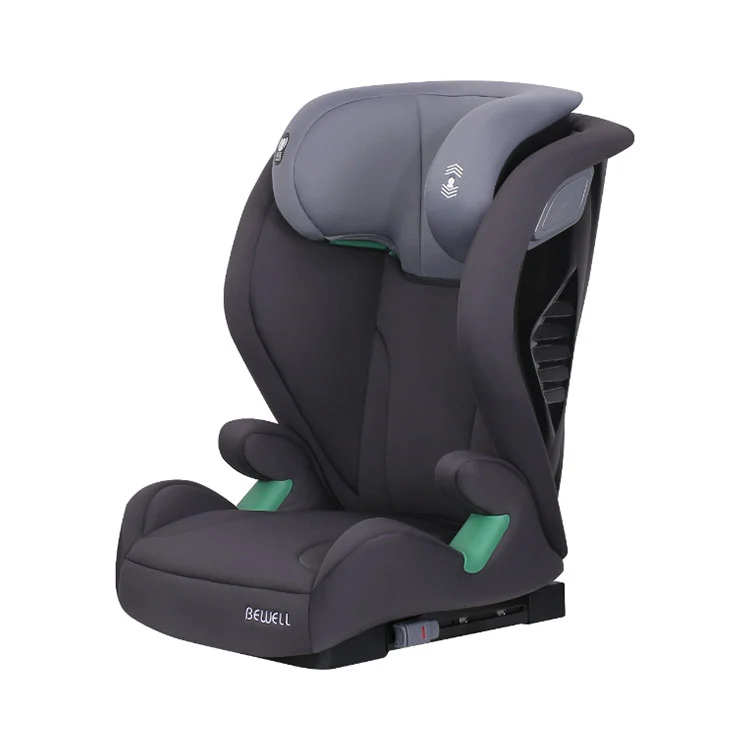
Choosing the right booster seat is a vital step in ensuring a child’s safety during travel. Understanding What is the Difference Between a High-Back and Backless Booster Seat? helps parents make informed decisions that combine comfort, protection, and compliance with safety regulations. At Ningbo Bewell Baby Products Manufacturing Co., Ltd., our factory specializes in designing and producing the Height Series Child Safety Seats, offering innovative solutions for both high-back and backless styles suitable for different stages of child growth.
Understanding the Role of Booster Seats
A booster seat is designed to elevate a child so that the vehicle’s seat belt fits correctly over their shoulder and lap. The difference between a high-back and backless booster lies mainly in their structure, safety features, and comfort level. Our Height Series Child Safety Seats line includes both types, developed through years of engineering and field testing at Ningbo Bewell Baby Products Manufacturing Co., Ltd.. High-back boosters offer additional head and side support, making them ideal for younger children transitioning from harnessed car seats. Backless boosters, on the other hand, provide simplicity and portability, suitable for older children who already maintain proper posture.
Comparison Between High-Back and Backless Booster Seats
The following table summarizes the key differences between high-back and backless booster seats produced by our factory. This side-by-side comparison can help parents choose the best option for their child’s needs and vehicle setup.
|
Category
|
High-Back Booster Seat
|
Backless Booster Seat
|
|
Design Structure
|
Includes a backrest and headrest to provide additional upper body support.
|
Flat base without a backrest; relies on vehicle seat for back support.
|
|
Safety Protection
|
Enhanced side-impact protection for head, neck, and shoulders.
|
Protects lower body only; seat belt provides main restraint.
|
|
Comfort Level
|
Cushioned back and headrest offer ergonomic seating for long trips.
|
Lightweight and compact for short rides or carpooling.
|
|
Recommended Age
|
4 to 8 years, or until child reaches 145 cm in height.
|
6 years and above, suitable for children who can sit upright unassisted.
|
|
Installation Type
|
ISOFIX or seat belt connection system.
|
Seat belt positioning only.
|
|
Weight Capacity
|
15–36 kg
|
22–36 kg
|
|
Head Support
|
Adjustable headrest with multi-level height settings.
|
No headrest included.
|
|
Material Composition
|
Energy-absorbing foam, breathable mesh fabric.
|
Dense foam padding, removable cover for easy cleaning.
|
|
Portability
|
Larger, less portable.
|
Compact and easy to carry between vehicles.
|
Each product under the Height Series Child Safety Seats brand undergoes strict safety testing to meet international standards such as ECE R44/04 and FMVSS 213. At Ningbo Bewell Baby Products Manufacturing Co., Ltd., our production line integrates automated molding and precision sewing processes, ensuring consistent quality across every model.
Product Features and Specifications
The Height Series Child Safety Seats collection from Ningbo Bewell Baby Products Manufacturing Co., Ltd. combines safety innovation with aesthetic appeal. Our engineering team focuses on materials, structure, and usability to ensure every seat provides maximum comfort and safety. Below is a detailed overview of our product specifications.
|
Feature
|
Description
|
Benefit
|
|
Shell Material
|
High-strength PP plastic with reinforced core
|
Provides durability and impact resistance
|
|
Cover Fabric
|
Removable, washable polyester fiber
|
Ensures hygiene and ease of maintenance
|
|
Headrest Adjustment
|
5–7 position height settings
|
Adapts to growing children’s height
|
|
Belt Guide Design
|
Integrated shoulder belt guide
|
Keeps seat belt properly positioned across the shoulder
|
|
Cushion Density
|
High-elastic polyurethane foam
|
Offers long-lasting comfort and shape retention
|
|
Safety Certification
|
ECE R44/04, FMVSS 213
|
Complies with international child safety standards
|
|
Optional Accessories
|
Cup holder, backrest cover, or ISOFIX latch
|
Enhances convenience and safety
|
Our design philosophy emphasizes not only safety but also daily practicality. Each Height Series Child Safety Seat is tested for side-impact absorption, fabric breathability, and user comfort before leaving our factory. With years of expertise, Ningbo Bewell Baby Products Manufacturing Co., Ltd. ensures consistent innovation in both high-back and backless booster design.
How to Choose Between High-Back and Backless Boosters
When deciding between a high-back and backless booster, consider the child’s height, weight, and car seat design. Our engineers at Ningbo Bewell Baby Products Manufacturing Co., Ltd. recommend starting with a high-back model when the child transitions from a harnessed seat, then switching to a backless version when they outgrow the headrest height. Our Height Series Child Safety Seats are engineered with both flexibility and affordability in mind. Parents can choose detachable backrest models, combining both seat types in one product for extended use. This multifunctional design allows our customers to save space and ensure long-term safety for their children.
Maintenance and Care Tips
To maximize the lifespan of your booster seat, always follow proper maintenance practices. Clean the seat cover regularly, check belt guides for wear, and inspect the structure for any damage after impact. Our technical team at Bewell provides complete after-sales guidance to help parents maintain the best condition of their child’s booster seat. Our Height Series Child Safety Seats are designed with removable components for effortless cleaning and replacement. The durable fabrics and recyclable plastics used by our factory ensure that each product maintains long-term reliability even with daily use.
FAQs About “What is the Difference Between a High-Back and Backless Booster Seat?”
Q1: Which is safer — a high-back or a backless booster seat?
A1: Both meet safety standards when used correctly, but high-back boosters provide additional head and side-impact protection. Our Height Series Child Safety Seats include both versions, each tested under strict conditions by Ningbo Bewell Baby Products Manufacturing Co., Ltd..
Q2: At what age should a child move from a high-back to a backless booster seat?
A2: Most children transition around age six or when their shoulders reach the highest headrest position. Our factory recommends using the adjustable features of our high-back models until the child meets height and weight limits.
Q3: Can both seat types be used in all vehicles?
A3: Yes, but installation methods vary. High-back boosters may require more space, while backless boosters fit easily in compact cars. Ningbo Bewell Baby Products Manufacturing Co., Ltd. ensures compatibility with ISOFIX and seat belt systems for universal application.
Conclusion
Understanding What is the Difference Between a High-Back and Backless Booster Seat? allows parents to select the right safety seat for their child’s age, size, and comfort. Our Height Series Child Safety Seats are designed with precision engineering, offering both protection and ergonomic support. With years of dedication, Ningbo Bewell Baby Products Manufacturing Co., Ltd. continues to lead the child safety market by providing reliable, certified, and innovative seating solutions trusted by families worldwide.