Article Summary
A baby car seat is one of the most important safety products for families who travel with infants and young children. Choosing the right car seat is not only about comfort but also about protecting children from unexpected risks caused by sudden braking, collisions, or improper installation. This article explains how a baby car seat works, what features parents should consider, how to choose the right model according to a child's growth stage, and how manufacturers like Ningbo Bewell Baby Products Manufacturing Co., Ltd. focus on producing reliable baby travel solutions.
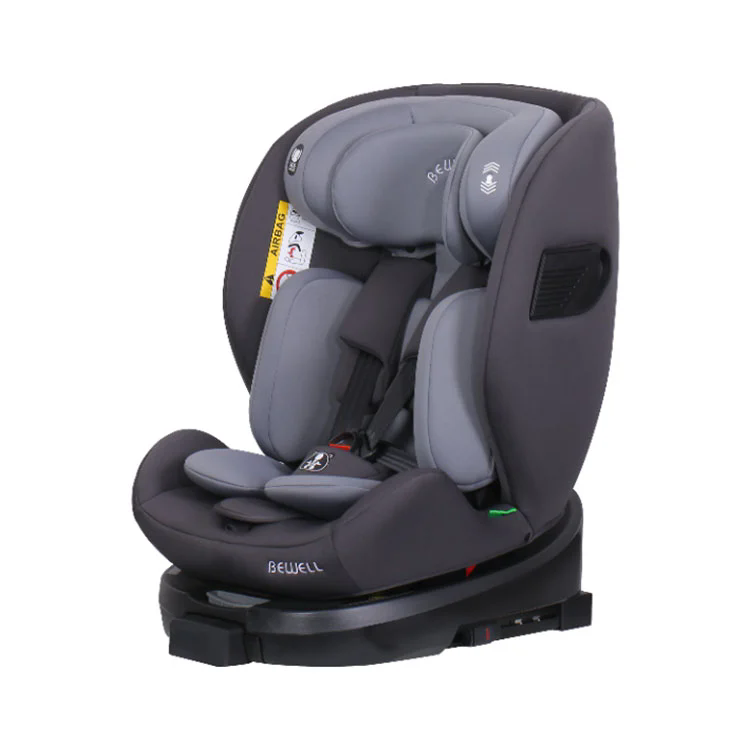
From safety structures and ergonomic design to installation methods and daily maintenance, this guide helps parents understand the key factors behind a high-quality baby car seat and make confident decisions for safer family transportation.
1. Understanding the Importance of a Baby Car Seat
Travel safety becomes a major concern when parents take their babies or toddlers on the road. Unlike adults, young children have developing bones, weaker muscles, and different body proportions, making them more vulnerable during sudden impacts. A standard vehicle seat belt is designed for adults and cannot provide proper protection for small children.
A baby car seat creates a protective environment by supporting the child's head, neck, shoulders, and body. It helps distribute impact forces across stronger areas of the body and reduces unnecessary movement during accidents. This protection is especially important during the early years when children cannot independently maintain a safe sitting position.
Modern baby car seats combine safety engineering with comfort design. They are developed to provide stable support while allowing children to sit comfortably during short trips or long-distance travel.
2. How Does a Baby Car Seat Work?
A baby car seat works through multiple protective systems that work together to reduce injury risks. The seat structure, harness system, protective padding, and installation mechanism all contribute to overall safety performance.
When a vehicle experiences sudden deceleration, the child's body continues moving forward due to inertia. Without proper protection, this movement can create dangerous pressure on the head, neck, and internal organs. A baby car seat controls this movement by holding the child securely and absorbing part of the impact energy.
-
Five-point harness system: Keeps the child securely positioned by distributing restraint forces across shoulders, hips, and between the legs.
-
Impact protection structure: Helps reduce the energy transferred to the child during side or front collisions.
-
Energy-absorbing materials: Cushion the impact and improve overall protection.
-
Adjustable support system: Allows the seat to adapt as children grow.
A well-designed baby car seat is not simply a chair placed inside a vehicle. It is a carefully engineered safety system designed around children's physical development and transportation risks.
3. What Features Make a Baby Car Seat Safer?
Parents often feel overwhelmed by the wide range of baby car seats available on the market. Understanding the essential features can make the selection process easier.
-
Strong Frame Construction: A durable frame provides a stable foundation and helps maintain protection during unexpected situations.
-
Comfortable Head and Body Support: Proper cushioning supports infants and prevents uncomfortable posture during travel.
-
Adjustable Harness: Children grow quickly, so adjustable harness systems are necessary for long-term usability.
-
Breathable Materials: High-quality fabrics improve comfort, especially during extended journeys.
-
Easy Installation Design: A user-friendly installation system helps parents secure the seat correctly.
Safety and comfort should always work together. A seat that provides excellent protection but causes discomfort may make children restless, while a comfortable seat without strong protection cannot meet safety requirements.
4. How to Choose the Right Baby Car Seat?
Selecting a baby car seat requires considering the child's age, weight, height, vehicle type, and daily usage needs. The correct choice ensures that the seat provides suitable support and protection.
Parents should consider the following factors before purchasing:
-
Child Growth Stage: Different stages require different support levels. Infant seats focus on head and neck protection, while toddler seats provide more space and adjustable functions.
-
Weight Capacity: Always check whether the seat matches the child's current weight range.
-
Installation Compatibility: Make sure the seat fits properly inside the vehicle.
-
Material Quality: Safe materials and durable construction improve product reliability.
-
Cleaning Convenience: Removable and washable covers make daily maintenance easier.
Choosing a baby car seat should be viewed as a long-term investment in child safety rather than simply buying a travel accessory.
5. How to Install a Baby Car Seat Correctly?
Even the best baby car seat cannot provide maximum protection if it is installed incorrectly. Proper installation is one of the most important steps parents should learn.
-
Read the manufacturer's installation instructions carefully.
-
Select the correct position inside the vehicle according to safety recommendations.
-
Secure the seat tightly without excessive movement.
-
Adjust the harness according to the child's body size.
-
Check the seat regularly to ensure all parts remain secure.
Many installation problems happen because parents rush the process or assume the seat is correctly fixed without checking. Taking extra time during installation can significantly improve travel safety.
6. Common Mistakes Parents Should Avoid
Understanding common mistakes helps families create safer travel habits.
-
Using a car seat that does not match the child's size.
-
Installing the seat too loosely.
-
Placing thick clothing under the harness straps.
-
Ignoring product expiration information.
-
Moving children to forward-facing seats too early.
-
Failing to inspect the seat after accidents.
Regular checks and correct usage are just as important as purchasing a high-quality baby car seat.
7. How to Maintain a Baby Car Seat for Long-Term Use?
Proper maintenance keeps a baby car seat clean, comfortable, and functional. Since children frequently create spills and messes during travel, regular cleaning is necessary.
-
Clean fabric covers according to manufacturer instructions.
-
Check harness straps for wear or damage.
-
Inspect buckles and adjustment parts regularly.
-
Avoid using damaged accessories or replacement parts from unknown sources.
-
Store the seat properly when not in use.
A carefully maintained baby car seat can provide reliable support throughout different stages of childhood.
8. Why Choose Ningbo Bewell Baby Products Manufacturing Co., Ltd.?
Ningbo Bewell Baby Products Manufacturing Co., Ltd. focuses on developing and manufacturing baby products designed around safety, comfort, and practical family needs. With professional production experience and attention to product details, the company provides reliable solutions for parents and global baby product markets.
The company understands that baby products require strict attention to quality control because every detail affects children's daily safety and comfort. From product design and material selection to manufacturing processes, Ningbo Bewell Baby Products Manufacturing Co., Ltd. continues improving its solutions to meet different customer requirements.
By combining functional design with user-focused development, Ningbo Bewell Baby Products Manufacturing Co., Ltd. aims to deliver dependable baby travel products that support safer journeys for families worldwide.
9. Frequently Asked Questions About Baby Car Seats
Q1: When should a baby start using a car seat?
A baby should use an appropriate car seat from the first trip in a vehicle. Newborns and infants require specially designed seats that provide proper head and body support.
Q2: How long can a baby use the same car seat?
The usage period depends on the seat design, weight limit, height range, and product condition. Parents should follow manufacturer recommendations and replace seats when they no longer fit properly.
Q3: Is a baby car seat necessary for short trips?
Yes. Accidents can happen even during short-distance travel. A properly installed baby car seat provides protection every time a child rides in a vehicle.
Q4: How often should a baby car seat be checked?
Parents should inspect the installation, harness system, and overall condition regularly, especially after long-term use or any vehicle accident.
Q5: What makes a high-quality baby car seat different?
A high-quality baby car seat combines strong construction, comfortable materials, reliable safety features, and thoughtful design to provide better protection and user experience.
Conclusion
A baby car seat plays an essential role in protecting children during vehicle travel. Understanding how it works, choosing the right model, installing it correctly, and maintaining it properly can greatly improve travel safety.
Ningbo Bewell Baby Products Manufacturing Co., Ltd. is committed to creating dependable baby products that combine safety, comfort, and practical design. For professional baby product solutions and customized manufacturing services, please contact us to discuss your requirements and discover more possibilities.