When it comes to protecting children on the road, few safety devices are as critical as child car seats. They are not just accessories; they are life-saving equipment designed to provide maximum protection during accidents, sudden stops, or sharp turns. In fact, road safety organizations and governments around the world mandate the use of car seats for infants and young children because they dramatically reduce the risk of serious injuries.
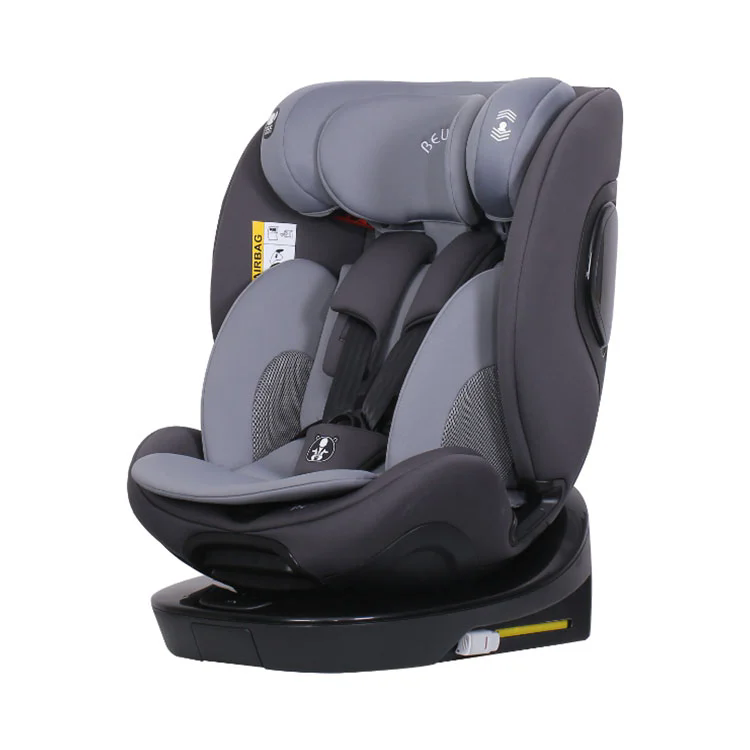
A child’s body is not the same as an adult’s. Their bones, muscles, and ligaments are still developing, which makes them more vulnerable in car crashes. A seat belt designed for adults may sit too high on a child’s body, causing injuries rather than preventing them. That is why child car seats are engineered specifically to secure smaller frames, distributing crash forces more evenly across the strongest parts of a child’s body.
Child car seats also offer peace of mind for parents and caregivers. Beyond legal compliance, they represent a conscious choice to prioritize safety. Studies from traffic safety institutes consistently show that proper use of car seats reduces the risk of fatal injury for infants by more than 70% and for toddlers by over 50%. These statistics highlight why child car seats are not optional but an absolute necessity for responsible driving.
Child car seats come in several types, each designed for specific age groups, weights, and heights. This adaptability ensures that every stage of a child’s growth is supported by the appropriate safety system. Parents who understand the importance of choosing the right car seat will not only meet legal obligations but also make a long-term investment in their child’s well-being.
How Do Child Car Seats Work and What Types Are Available?
Child car seats operate on the principle of energy management. In the event of a collision, forces must be absorbed and distributed in a way that minimizes harm to the child. Car seats achieve this through impact-absorbing materials, strategically placed harnesses, and reinforced frames. They keep the child securely restrained, preventing dangerous ejections while reducing the severity of impact.
Main Types of Child Car Seats
-
Rear-Facing Infant Seats
-
Designed for newborns up to around 2 years old or until they outgrow weight/height limits.
-
Provide optimal head, neck, and spine support in frontal crashes.
-
Convertible Seats
-
Can be used rear-facing for infants and toddlers, then switched to forward-facing as the child grows.
-
Offer extended usability and cost-effectiveness.
-
Forward-Facing Seats with Harness
-
Booster Seats
-
All-in-One Seats
Key Parameters of Child Car Seats
|
Parameter
|
Specification Options
|
|
Age Suitability
|
Newborns to 12 years (varies by seat type)
|
|
Weight Capacity
|
2.5 kg – 54 kg (5 lbs – 120 lbs)
|
|
Height Range
|
45 cm – 150 cm (18 in – 59 in)
|
|
Seat Orientation
|
Rear-facing, forward-facing, convertible, booster
|
|
Harness System
|
3-point or 5-point harness
|
|
Installation Method
|
LATCH system, ISOFIX, or vehicle seat belt
|
|
Safety Standards
|
Compliant with FMVSS 213, ECE R44/04, or i-Size regulations depending on the market
|
|
Additional Features
|
Side-impact protection, energy-absorbing foam, adjustable headrest, reclining options
|
Understanding these parameters helps parents choose the right product for their child’s size, weight, and safety needs.
Why Choosing the Right Child Car Seat Makes a Difference
The decision to purchase a child car seat is not as simple as picking the cheapest or most attractive option. Every child has different needs, and every vehicle has unique features. Choosing the right car seat requires careful evaluation of multiple factors.
Factors to Consider Before Buying
-
Child’s Age, Weight, and Height
-
Infants need rear-facing protection.
-
Toddlers transition to convertible or forward-facing seats.
-
Older children benefit from booster seats until seat belts fit correctly.
-
Vehicle Compatibility
-
Ease of Installation
-
Safety Certification
-
Comfort and Usability
-
Features like reclining positions, cushioned padding, and adjustable headrests improve child comfort during long trips.
-
Easy-to-remove covers support hygiene and maintenance.
The Consequences of Poor Choices
Parents who compromise on car seat quality risk exposing children to serious injuries. Incorrect size selection may render the harness ineffective. Poor installation can cause the seat to detach during collisions. Substandard materials may fail under impact. That is why experts always recommend purchasing car seats from trusted manufacturers with proven track records.
FAQs on Child Car Seats
Q1: How long should a child stay in a rear-facing car seat?
A: Safety experts recommend keeping children rear-facing as long as possible, ideally until at least 2 years of age or until they exceed the manufacturer’s height and weight limits. Rear-facing seats provide superior protection for the head, neck, and spine in frontal crashes, which are the most common type of collision.
Q2: What is the difference between ISOFIX and seat belt installation?
A: ISOFIX (or LATCH in North America) provides a rigid anchoring system that directly connects the car seat to the vehicle structure, reducing installation errors. Seat belt installation relies on threading the belt through the seat and securing it tightly. While both are safe when installed correctly, ISOFIX is generally faster, easier, and less prone to mistakes.
How Are Child Car Seats Advancing Safety Standards in the Future?
The child car seat industry continues to evolve as technology, regulations, and consumer expectations grow. Manufacturers are investing in new designs that not only improve crash protection but also enhance convenience for parents.
Key Trends in Child Car Seat Development
-
Enhanced Side-Impact Protection: Modern car seats feature reinforced wings and energy-absorbing foams to shield children during side collisions.
-
Smart Technology Integration: Some models now include sensors that alert parents if the child is unbuckled or if the temperature inside the car becomes unsafe.
-
Eco-Friendly Materials: Manufacturers are adopting non-toxic, recyclable fabrics and foams to meet sustainability goals.
-
Universal Fit Systems: Future designs aim for compatibility across more vehicle models, reducing the frustration of mismatched seats.
-
Extended Rear-Facing Options: Advanced seats allow larger children to remain rear-facing longer, maximizing safety.
The Long-Term Value of Quality Car Seats
Investing in a high-quality child car seat is an investment in peace of mind. It reduces risks, enhances travel comfort, and ensures compliance with safety laws. As road conditions and traffic increase globally, the importance of proper child restraints only grows stronger.
At bewell, we are committed to providing parents with child car seats that combine advanced safety features, ergonomic comfort, and strict adherence to international safety standards. Our designs are carefully engineered to adapt to different stages of childhood, offering long-lasting solutions that evolve with your family’s needs.
To explore our full range of certified child car seats and find the right model for your vehicle and child, contact us today and let our team guide you to safer journeys.