In an era where road safety has become a paramount concern for families worldwide, China faces a pressing challenge: the alarmingly low usage of child safety seats (CSS) among parents. Despite increasing vehicle ownership and growing awareness of child passenger safety, statistics reveal a stark reality. According to recent surveys, the ownership rate of child safety seats in China stands at around 57.8%, yet the actual usage rate lags at 47.6%, with only 18.8% of parents reporting consistent use. This discrepancy highlights the “equipped but unused” problem—a phenomenon where families possess the necessary gear but fail to utilize it effectively. As motor vehicle crashes remain a leading cause of injury and death for children in China, with over 20,000 kids killed or injured annually in such incidents, experts are calling for urgent interventions to bridge this gap and protect the nation’s youngest passengers.
The issue is not isolated but rooted in a combination of cultural, educational, and regulatory factors. Child safety seats, designed to reduce the risk of death in road traffic accidents by up to 70% for infants and 54-80% for toddlers, are essential tools for safeguarding children during travel. However, in China, where the mortality rate from road traffic injuries among children under 14 is significantly higher than in many developed nations, adoption remains sluggish. Globally, around 90% of parents regularly use child restraints, but in China, this figure plummets to as low as 5% in some estimates from earlier studies. Even in urban hubs like Shanghai, usage has only incrementally risen from 5.12% in 2015 to 8.55% in 2019, underscoring a persistent lag.
To understand the “equipped but unused” dilemma, it's crucial to delve into the reasons behind low usage rates. One primary factor is the absence of comprehensive national legislation mandating child restraint systems (CRS). Unlike countries such as the United States or those in the European Union, where strict laws enforce CSS usage, China lacks a unified national requirement. While some provinces, like Shenzhen, have introduced local mandates that have shown promising results in increasing CRS practices, the overall regulatory framework remains fragmented. A survey of parents revealed that 44% cited the lack of legal requirements as a key reason for non-use. Without enforcement, many parents view safety seats as optional rather than essential, leading to sporadic or no usage even when owned.
Beyond legislation, inconvenience plays a significant role. Parents often report that installing and using CSS is cumbersome, especially in smaller vehicles common in urban China. The process of securing a seat with ISOFIX systems or belts can be time-consuming, and for short trips, many opt to forgo it altogether. In one study, 29.3% of respondents mentioned inconvenience as a barrier. This is compounded by misconceptions about child safety; some believe holding a child in their arms provides adequate protection, ignoring the physics of collisions, where even low-speed impacts can generate forces equivalent to several times a child’s weight. Additionally, cost is a deterrent for some, with 19.9% of parents in surveys pointing to high prices as a reason for avoidance. Although affordable options exist, the perception of CSS as a luxury item persists, particularly in rural areas where economic pressures are higher.
Cultural attitudes further exacerbate the problem. In China, extended family involvement in child-rearing is common, and grandparents—who often serve as primary caregivers—may not be familiar with modern safety equipment. Traditional views prioritize comfort over safety, leading to children being allowed to sit unrestrained or in suboptimal positions, such as the front seat. Research indicates that non-use of restraints affects 45.4% of child passengers, while 31.2% are placed in unsafe seating positions. This generational gap in awareness contributes to the “equipped but unused” issue, where seats are purchased but gather dust due to resistance from family members.
The consequences of this low usage are dire. Road traffic accidents are a major contributor to child mortality and morbidity in China, with UNICEF reporting that nearly 60,000 children die annually from preventable causes, including traffic incidents. Children without proper restraints are at heightened risk of severe injuries, including head trauma, spinal damage, and internal organ harm. In crashes, unrestrained children can become projectiles, endangering not only themselves but others in the vehicle. Studies emphasize that proper CSS use could dramatically lower these risks, yet the low adoption rate perpetuates a cycle of avoidable tragedies.
Addressing this challenge requires a multifaceted approach. First, strengthening legislation is imperative. The success in Shenzhen, where CRS legislation has led to observable improvements in usage, serves as a model for national rollout. A unified law mandating CSS for children under a certain age or height, coupled with penalties for non-compliance, could shift behaviors significantly. Public education campaigns are equally vital. Initiatives by organizations like the World Health Organization and local health authorities could dispel myths and demonstrate the ease of use through workshops and media outreach. For instance, targeting new parents at maternity hospitals has shown promise in increasing awareness and initial adoption.
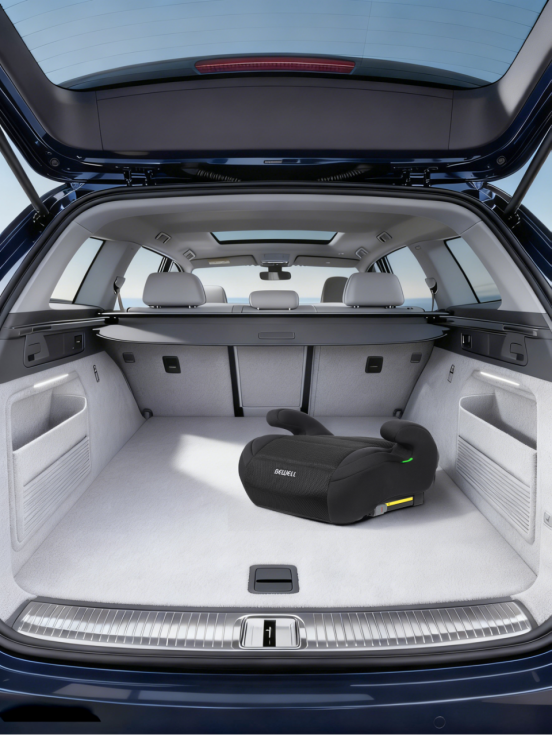
Innovation in product design can also combat inconvenience. Manufacturers are stepping up with user-friendly features that make installation quicker and more intuitive. For example, products from BEWELL, a leading Chinese supplier of child safety seats, incorporate ISOFIX fixation for secure and rapid setup. Their Baby Safety Car Seat with ISOFIX Fixation (BW26AA) combines a foldable design with robust protection, compliant with ECE R129 safety standards, ensuring durability and ease for busy parents. Similarly, the Child Safety Car Seat with Support Legs (BW25) offers multiple layers of collision protection, reducing displacement risks, while the Breathable Mesh Booster Seat for Older Kids (BW28B2) caters to children weighing 20-36kg with premium, breathable materials for comfort during longer trips. These seats not only meet international certifications like ISO9001 but also address common complaints by providing affordable, high-quality options that enhance family travel safety without sacrificing convenience.
Encouraging consistent use involves behavioral nudges. Psychological studies on Chinese parents highlight factors like perceived norms and attitudes influencing CRS adoption. Programs that leverage social proof—such as community testimonials or celebrity endorsements—could normalize CSS usage. Additionally, subsidies or incentives for low-income families might alleviate cost barriers, making ownership and usage more accessible. Ride-sharing platforms and car manufacturers could integrate CSS requirements, further embedding safety into daily routines.
Looking ahead, the trajectory for child safety in China is optimistic if action is swift. With vehicle numbers surging and family travel becoming more frequent, the demand for reliable safety solutions is rising. By fostering a culture of proactive safety, educating caregivers, and enforcing regulations, China can close the gap between ownership and usage. Parents equipped with knowledge and easy-to-use products like those from BEWELL can transform the "equipped but unused" problem into a relic of the past.
In conclusion, the low usage of child safety seats in China is a solvable crisis. It demands collective effort from policymakers, manufacturers, and families to prioritize children’s lives on the road. As one expert notes, “Child safety seats are not just accessories; they are lifesavers.” By embracing this mindset, we can ensure safer journeys for the next generation, reducing the heartbreaking toll of road accidents and building a more secure future for all.