With the growing demand for family road trips, long-distance driving with kids has become a popular choice for many parents. However, challenges such as "babies crying non-stop in safety seats", "restlessness and frequent fussing from prolonged sitting", and "the dilemma of balancing safety and comfort" have deterred numerous families from embarking on long drives. As a brand with 12 years of expertise in the child travel safety sector, BEWELL (Ningbo Bewell Baby Products Co., Ltd., official website: https://www.nbbewell.com) leverages its technologies certified by authoritative standards including the EU ECE R129 (i-Size) and China 3C. Combining feedback from over 100,000 families, we have summarized 3 core tips—scientific selection, scenario-based matching, and detail optimization of safety seats—to ensure your baby stays calm and happy during long journeys, allowing parents to drive with peace of mind.
I. Pain Point Analysis: 3 Core Challenges of Long-Distance Road Trips with Kids
According to data from the Child Car Safety White Paper released by the China Association of Automobile Manufacturers, 67% of children under 3 years old cry due to discomfort in safety seats during long drives. 42% of parents have been forced to stop midway to soothe their fussy babies, and as many as 18% of parents have illegally removed safety seats to comfort their children, creating significant safety hazards for the trip.
Children’s physical tolerance during long journeys is far lower than that of adults. The comfort, compatibility, and interactive design of a safety seat directly impact a baby’s riding experience. Many parents only focus on the seat’s safety certifications while neglecting details tailored for long-distance use, leading to babies’ resistance caused by stuffiness, restrictive feelings, or boredom.
Founded in 2015, BEWELL is a high-tech enterprise specializing in the R&D, production, and sales of child car safety seats. Adhering to the core philosophy of "Safety Protection · Comfort on the Go", our product range covers all age groups from 0 to 12 years old. Certified by multiple international and domestic authoritative standards including the EU ECE R129 (i-Size) and China GB 27887-2011 (3C), BEWELL has provided safe travel solutions for families in more than 100 countries and regions worldwide. Renowned for its designs that balance safety and comfort, BEWELL products have repeatedly been featured on maternal and infant platforms’ "Recommended Lists for Long-Distance Road Trips".
II. Tip 1: Scientific Selection – Choose a "Long-Distance Friendly" Safety Seat Based on Age and Physique
The key to a successful long road trip with kids is ensuring "no stuffiness during prolonged sitting and adaptability to growth". When selecting a safety seat, parents should move beyond the narrow focus on "safety alone" and opt for products with long-distance suitability, considering the baby’s age, weight, physique, and the vehicle model.
Precise Matching by Age Group – Avoid a One-Size-Fits-All Approach
0–4 years old (Rear-Facing Stage): At this stage, a baby’s spine is not fully developed. For long trips, prioritize safety seats that support rear-facing installation, with a recommended maximum rear-facing weight capacity of ≥18kg (approximately 4 years old) to extend the duration of rear-facing protection. The BEWELL BW25 Series safety seat supports rear-facing use for children aged 0–4 years. Equipped with ISOFIX + support leg dual-fixation system, the seat’s recline angle can be adjusted over a wide range after rear-facing installation, simulating a flat sleeping position for the baby and reducing spinal pressure during long rides. Its headrest and lumbar partition support design effectively distributes body weight, preventing babies from crying due to backaches caused by prolonged sitting.
4–12 years old (Forward-Facing Stage): Children in this age group have increased mobility and higher demands for comfort and freedom. Choose a seat with an adjustable headrest and width that adapts to the child’s growth. The BEWELL BW15 features a headrest with 14 height adjustment levels, suitable for children with a height of 100–150cm. Even when children wear thick clothes or carry small stuffed toys, they will not feel restricted. Additionally, the seat uses breathable fabric to prevent stuffiness and sweating during long journeys.
Focus on Key Long-Distance Features to Enhance Comfort
Storage and Interactive Design: To prevent babies from crying out of boredom, select a safety seat equipped with cup holders and storage compartments. The BEWELL BW28 is designed with side cup holders, making it easy to place bottles, snacks, and other small items within the baby’s reach.
Consider Vehicle Compatibility to Avoid Space Issues After Installation
Many families overlook the compatibility between the safety seat and the vehicle model, resulting in cramped rear-seat space and limited mobility for the baby after installation. BEWELL’s official website offers a Vehicle Compatibility Query System, where parents can input their vehicle model and year to check compatible safety seat models and installation methods. For vehicles with limited space, we recommend the BEWELL "Light Comfort" Series portable safety seat, which weighs only 6.8kg. It does not occupy excessive rear-seat space after installation and supports quick disassembly for easy carrying during mid-journey breaks.
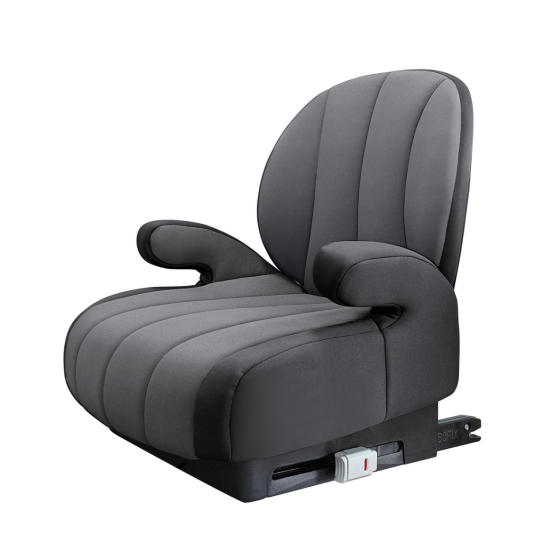
III. Tip 2: Scenario-Based Matching – 3 Detail Optimizations to Create a "Mobile Comfort Zone"
After selecting the right safety seat, scenario-based detail optimizations can further enhance the baby’s riding experience, making long journeys smoother.
Environmental Adaptation: Adjust the Seat According to Weather and Road Conditions
Summer Cooling: Parents can pair the seat with the BEWELL Special Ice Silk Mat, which fits the seat perfectly without affecting safety fixation. Additionally, pre-cool the vehicle by turning on the air conditioner 10 minutes in advance to lower the seat surface temperature. Avoid placing the seat in direct sunlight; use window sunshades to reduce UV exposure.
Winter Warmth: Do not dress the baby in overly thick clothing when using the safety seat, as bulky clothes can compromise the effectiveness of the seat belt. Instead, use the BEWELL Custom Safety Seat Warm Cover, which only covers the exterior of the seat and does not interfere with the fit between the seat belt and the baby’s body. Meanwhile, preheat the seat using the vehicle’s seat heating function to prevent the baby from crying due to cold.
Handling Bumpy Roads: When driving on rough roads such as mountain roads or national highways, increase the seat’s recline angle to reduce the impact of vibrations on the baby. For babies prone to car sickness, choose a 360° rotatable seat (e.g., BEWELL BW25). When the vehicle is stationary, rotate the seat to face the parents to soothe the baby, then rotate it back to the forward-facing position for secure fixation.
Diet and Schedule: Plan a "Riding Rhythm" to Reduce Crying Triggers
Before the long road trip, parents should plan the baby’s diet and schedule in advance to avoid crying caused by hunger, drowsiness, or gastrointestinal discomfort:
Feed the baby 1 hour before departure to avoid traveling on an empty or overly full stomach.
Prepare non-spillable, easy-to-digest snacks (e.g., yogurt melts, rice cakes) and sippy cups. Offer them to the baby when they cry, but only when the vehicle is moving smoothly to prevent choking.
Align the departure time with the baby’s nap schedule as much as possible. Place familiar comfort toys or blankets on the safety seat to help the baby fall asleep quickly.
Stop at service areas every 2–3 hours to let the baby get out of the car to stretch, breathe fresh air, and check the seat’s fixation status and the baby’s clothing comfort.
For school-age children, prepare picture books, coloring books, or children’s headphones in advance to keep them entertained quietly in the safety seat. Parents can also discuss the book content with the child during breaks to increase interaction.
IV. Tip 3: Proper Usage + Emergency Handling – Uphold Safety Bottom Lines and Respond to Unexpected Situations
During long road trips, proper use of the safety seat is essential. Parents should also master emergency handling methods for common unexpected situations to ensure the baby’s safety and comfort.
Installation and Fixation: Avoid 3 Common Mistakes
Many parents assume that "as long as it’s installed, it’s safe", but incorrect installation methods can significantly reduce the safety seat’s protective effectiveness and even cause discomfort to the baby:
Mistake 1: Loose or overly tight seat belts. The correct fixation standard is that one finger can fit between the seat belt and the baby’s body. A loose belt cannot provide effective protection, while an overly tight belt will make the baby feel restricted and cry. All BEWELL safety seats are equipped with a Seat Belt Tension Reminder function; when the tension is optimal, the indicator light turns green, allowing parents to quickly confirm proper adjustment.
Mistake 2: Improper recline angle during rear-facing installation. An angle that is too small (<120°) will cause the baby’s head to droop, affecting breathing; an angle that is too large (>140°) will reduce protective performance in the event of a collision.
Mistake 3: Ignoring seat-vehicle compatibility. Some parents force the installation of incompatible safety seats, leading to seat wobbling or unstable fixation. We recommend parents confirm compatibility through the Vehicle Compatibility Query System on BEWELL’s official website before purchase, or contact customer service with vehicle information to obtain professional installation advice.
Emergency Handling: 4 Methods to Soothe a Crying or Uncomfortable Baby
Even with thorough preparation, babies may still cry due to unexpected situations. Parents should stay calm and follow these steps:
Step 1: Observe the condition. Use the rearview mirror to check if the baby shows obvious signs of discomfort (e.g., sweating, pale complexion, vomiting). If physical abnormalities are detected, stop the vehicle immediately in a safe area for inspection.
Step 2: Soothe emotions. If the baby is crying for no apparent reason, distract them by playing nursery rhymes or offering snacks. Avoid turning around to soothe the baby while driving, as this may affect road safety.
Step 3: Adjust the seat. If the baby cries due to stuffiness, turn on the seat ventilation function (if available) or loosen their clothes for ventilation. If the baby is upset by a restrictive feeling, check if the seat belt is too tight or adjust the seat’s side wing width.
Step 4: Take a break. If the baby continues crying for more than 15 minutes, stop at the nearest service area. Take the baby out of the car to move around, check the safety seat for foreign objects (e.g., toys, food crumbs), or adjust the baby’s sitting position within a safe range.
Seat Maintenance After Long Trips: Extend Service Life and Ensure Safety for Future Use
After a long road trip, timely cleaning and maintenance of the safety seat not only extend its service life but also prevent bacterial growth that may affect the baby’s health:
Cleaning Method: BEWELL safety seat covers are removable and machine-washable, made from eco-friendly antibacterial fabric. Clean with mild detergent and reinstall after air-drying. Wipe the seat frame and cushioning materials with a damp cloth, avoiding water immersion.
Inspection and Maintenance: Check for wear or looseness in ISOFIX connectors, top tethers, seat belts, and other components. Replace damaged parts promptly by contacting BEWELL after-sales service.
Storage Method: Store the seat in a dry, well-ventilated area, away from direct sunlight or humid environments. Cover with a dust cover if not in use for an extended period.
V. BEWELL: Safeguarding Long-Distance Travel with Technology and Reputation
As a benchmark brand in the child travel safety industry, BEWELL integrates "safety" and "comfort" into every detail of product R&D. Our production base in Ningbo covers 12,000 square meters, equipped with internationally advanced production equipment and testing laboratories. Every product undergoes more than 1,000 collision tests and 500+ hours of aging tests to ensure reliable protection for babies under various road conditions.
Ms. Wang, a mother from Shanghai, shared her experience: "Last year, I drove 3,000+ kilometers round-trip to Yunnan with my 2-year-old baby, using the BEWELL BW25 safety seat the entire time. The baby slept or played quietly with toys most of the journey and barely cried. Even during the hot southern summer, the seat didn’t get stuffy. The recline angle for rear-facing installation was very comfortable, and the baby had no backaches or leg pain after getting out of the car. I highly recommend it to families who often take long road trips."
VI. Conclusion: Long-Distance Road Trips with Kids – Safety and Comfort Can Coexist
Traveling long distances with kids by car is not an "impossible task". Choosing a "long-distance friendly" safety seat, paired with scientific usage skills and detail optimizations, can keep your baby comfortable and happy throughout the journey, allowing parents to enjoy the drive with peace of mind. As a brand with 10 years of industry experience, BEWELL has always prioritized user needs, providing millions of families with "safety + comfort" travel solutions through technological innovation and quality upgrades.
In the future, BEWELL will continue to invest in R&D to launch more child safety seats tailored for long-distance travel with smart connectivity features. We will also continuously improve our user service system to ensure every family’s journey is filled with peace of mind and joy. For more tips on safety seat selection and long-distance road trips with kids, visit the BEWELL official website (https://www.nbbewell.com).