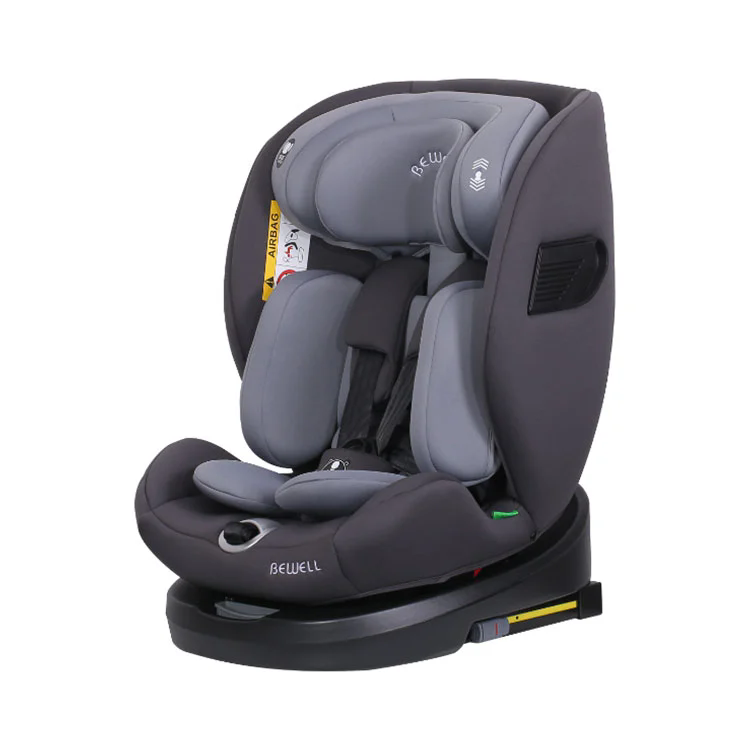
Why a Child Car Seat Matters
Child car seats are engineered to reduce injury risk during collisions or sudden stops. According to safety research, appropriate seats can significantly protect a child’s head, neck, and spine. Seats that match the child’s size and are installed correctly deliver the most benefit. Every parent or guardian who travels by vehicle with a child must understand that seat choice is not optional but essential.
Legislation in most regions requires the use of child car seats. These laws are based on real world crash data and are updated regularly. For parents, compliance means both legal adherence and peak protection for their children.
Key Features to Consider
When selecting a child car seat, compare multiple elements that directly affect safety and usability:
|
Feature
|
Why It Matters
|
|
Harness System
|
Securely restrains the child and distributes crash forces.
|
|
Top Tether
|
Reduces forward movement in a crash.
|
|
Side Impact Protection
|
Enhances protection against lateral collisions.
|
|
Adjustability
|
Allows the seat to grow with the child.
|
|
Ease of Cleaning
|
Removable covers simplify maintenance.
|
Modern seats often combine safety with convenience. For instance, a seat with a built-in lockoff system simplifies installation using a vehicle’s seat belt or LATCH anchors. Another example is an adjustable headrest that maintains proper positioning as the child grows.
Installation Tips
Even the best seat is only effective if installed correctly. Before you begin, read both the car seat manual and your vehicle owner’s manual. Every vehicle and seat model has unique instructions.
-
Choose Rear Facing First: Younger children should remain rear facing as long as possible for enhanced crash protection.
-
Check Angle Indicators: Use built-in angle guides to ensure correct recline, especially for infants.
-
Tightness Test: After installation, the seat should not move more than one inch side-to-side or front-to-back at the belt path.
-
Top Tether Usage: Always attach the top tether when forward facing to minimize forward head motion.
Community resources such as certified child passenger safety technicians can inspect your installation and offer personalized guidance.
Age and Weight Guidelines
Seats are designed for specific age and weight ranges. Understanding these categories ensures your child remains in the appropriate seat longer:
|
Category
|
Age Range
|
Weight Range
|
Position
|
|
Infant Seat
|
Birth to ~12 months
|
4–30 lbs
|
Rear Facing
|
|
Convertible Seat
|
Infant to Toddler
|
5–65 lbs
|
Rear or Forward Facing
|
|
Booster
|
4+ years
|
40–100+ lbs
|
Forward Facing
|
Many experts recommend keeping children rear facing as long as possible, up to the maximum height/weight allowed by the seat manufacturer. Conversion seats that accommodate higher limits allow prolonged rear-facing use, increasing safety for toddlers.
Common Mistakes to Avoid
-
Installing the seat too loosely.
-
Using expired or previously crashed seats.
-
Incorrect harness height or tension.
-
Skipping the top tether when required.
-
Moving to the next seat category too soon.
Regularly check your installation and adjustments, especially after long trips or changes in the child’s clothing that may affect harness fit.
Frequently Asked Questions
What is the safest position for a car seat?
The center rear seat is generally safest if the vehicle allows a secure installation. Always follow the seat and vehicle manuals for your configuration.
Can I use a car seat from another country?
Only if it meets local safety standards. Different regions may have varying crash test requirements.
When should I switch from rear facing to forward facing?
Keep your child rear facing until they exceed the height or weight limit allowed by the car seat manufacturer.
Conclusion
Choosing the right child car seat requires careful evaluation of safety features, proper installation, and ongoing adjustments as your child grows. A quality seat with a secure top tether system and appropriate fit can make a significant difference in protection during travel.
For reliable, high-performance child car seats designed with award-winning safety features, consider solutions from Bewell. Our products are crafted to balance comfort, protection, and convenience for parents and children alike.
Ready to enhance your child’s safety on the road? Contact us today to explore our range and get personalized recommendations.