Growing up, not beyond safety: the indispensable role of child car seats
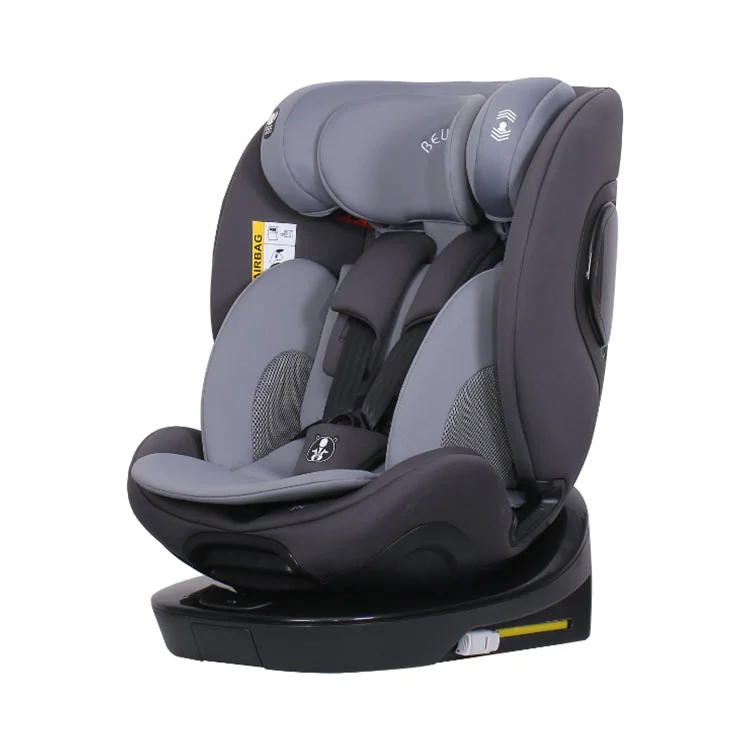
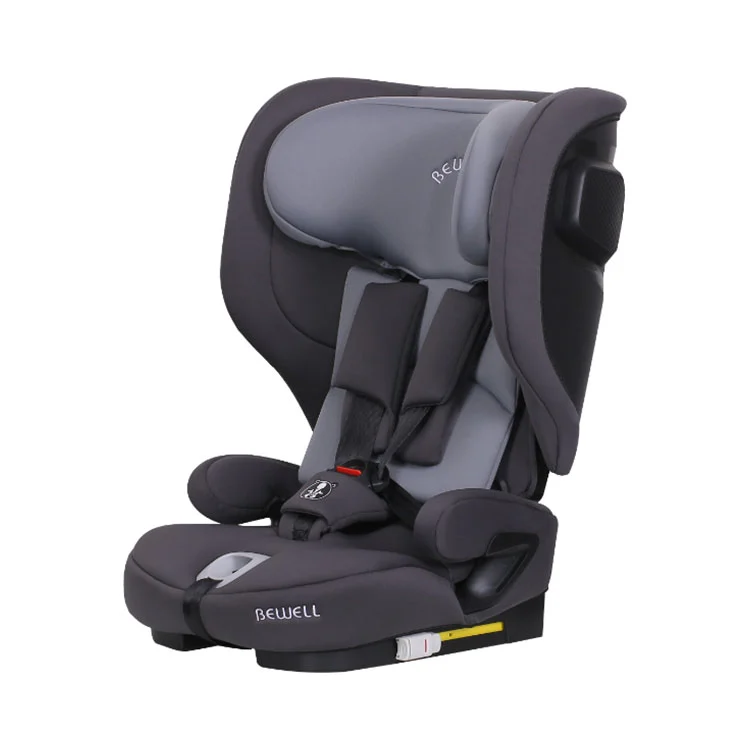
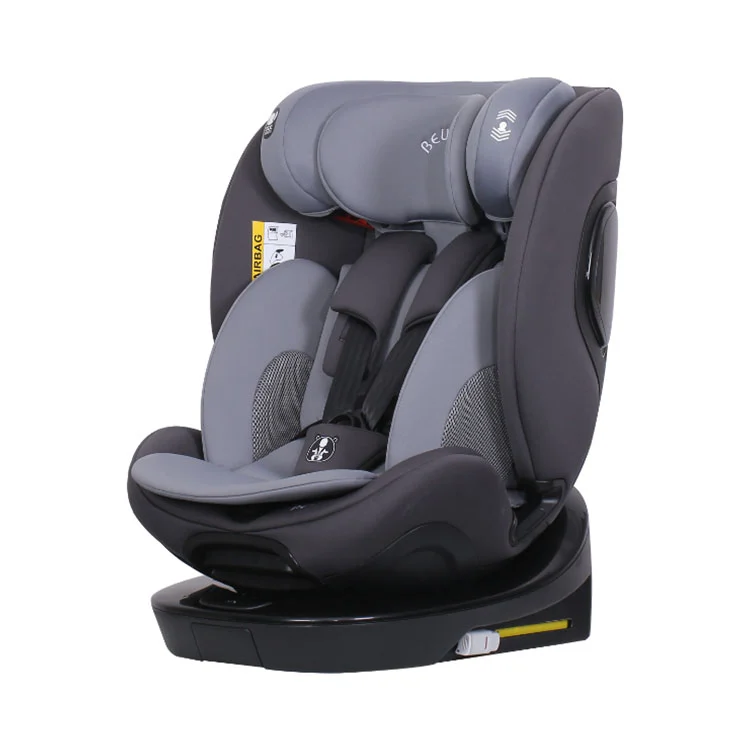
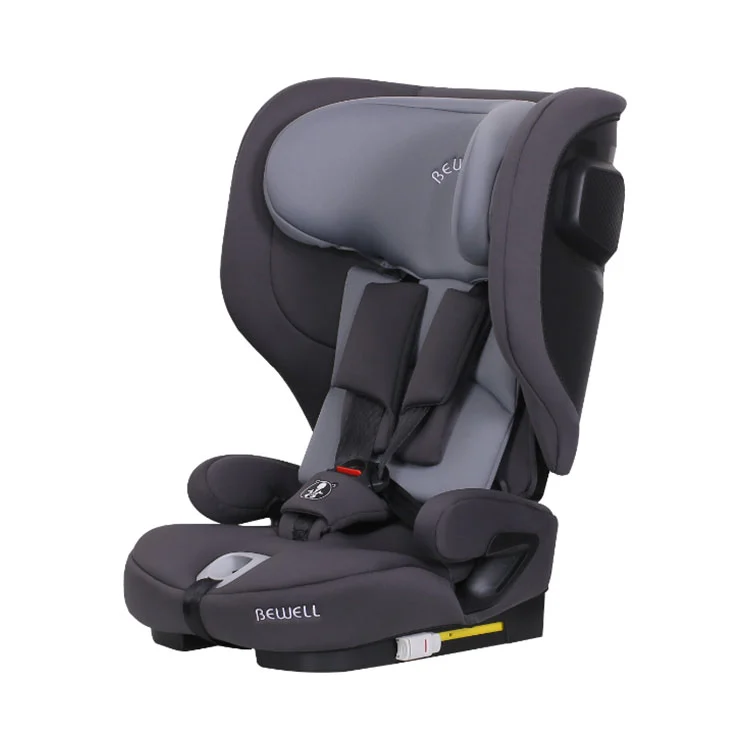
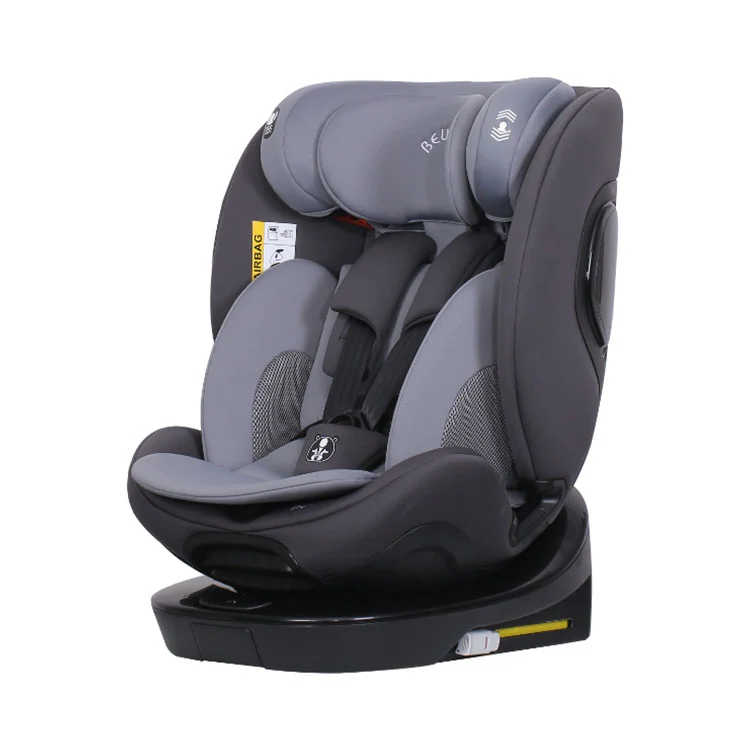
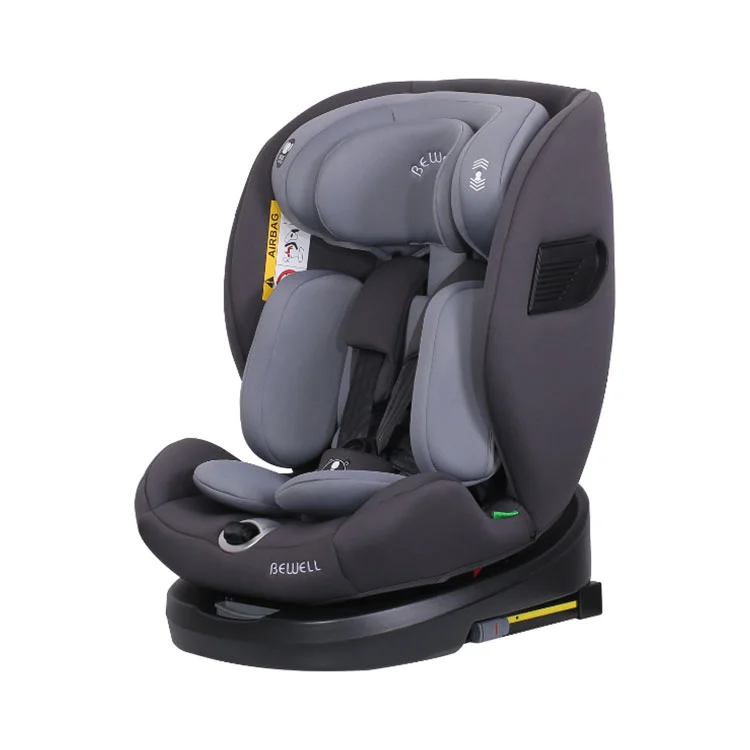
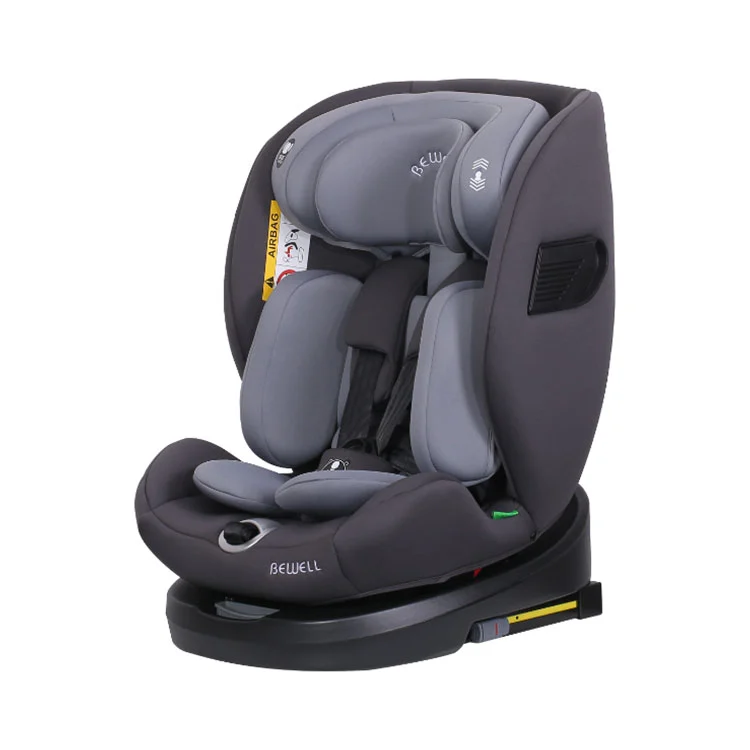
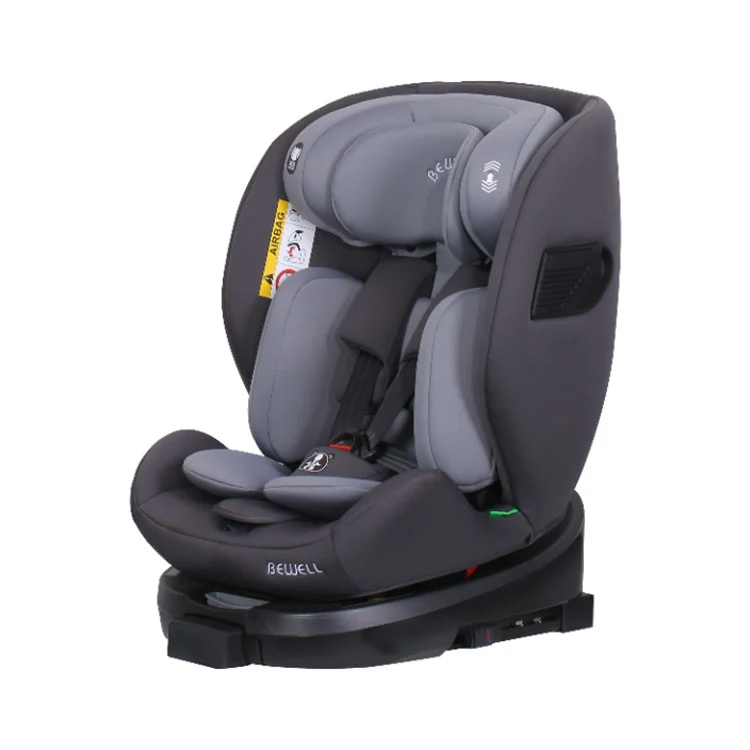
When children go from toddler to early childhood - usually between 3 and 12 years old, or 15 to 36 kilograms - parents often mistakenly interpret this transition as free from specialized car constraints. The BEWELL’s category of child car seats includes a combination system of high-back boosters and seat belts. The reason for its existence is that the adult safety infrastructure is still fundamentally incompatible with adolescent anatomy throughout the puberty. After the end of the "baby" years, the necessity of these equipment still exists, which solves the anatomical reality ignored by standard vehicle equipment.
The main failure mode of adult seat belts is centered on bone geometry. The design of the vehicle belt is to be with the ilium of the pelvis, the ilium, the skeleton protrudes outward in the mature skeleton. Until about ten to twelve years old, children's pelvic bones are still round and underdeveloped, and lack the obvious spine to fix the adult belt. Therefore, during the collision, the thigh part goes up into the abdominal cavity, compressing the liver, spleen and intestines to the spine - this mechanism is called "seat belt syndrome", which causes devastating internal injury with very little external evidence.
The shoulder straps show complementary hazards. The diagonal strap is positioned at the height of the adult's sternum and passes through the child's face or neck, encouraging the child to put it on the back or under the arm. Both of these operations eliminate the constraints of the upper body and turn the belt into a fulcrum to amplify the load of the spine. Child car seats, especially high-back height enhancers, solve these problems by raising them, not just contain them.
Jurisdictions around the world have extended mandatory baby car seat requirements to 6-yearsold, 12 years old or up to a standing height of 150cm. These regulations are not the excess of bureaucracy; they represent the codified understanding, that is, the maturity of the bones, rather than the parents' intuition, which determines when adult constraints become appropriate. Parents who let their children use standard belts prematurely based on age alone will expose their families to personal danger and legal liability.
Structural intelligence: How to manage mature collision dynamics in children's car seats
The engineering principles adopted by car safety seats for children aged 3-12 are different from the engineering principles for managing the constraints of infants and young children. Where young child seats focus on the distribution of cocoons and seat belts, the booster system prioritizes the appropriate seat belt geometry, while providing lateral collision protection and posture stability.
The backless booster seats for a rigid shell structure, extending from the seat surface to the headrest. This continuous architecture has a variety of protection functions. During the side impact, the wing will absorb energy, otherwise it will hit the child's temporal area, and if the door is deformed or opened, the shell will prevent lateral ejection. The headrest itself can usually be adjusted on a vertical stroke of 15 cm or longer to support the occipital bone during sleep and keep the neck aligned in the avoidance movement - to prevent children from being more prone to whipping injuries than adults, because the head and body mass are still less than before puberty.
The seat platform of high-quality children's car seats uses energy management foam, which is compressed under pelvic load in the event of collision. This pressure prolongs the duration of the force and reduces the peak pressure of the iscial nodules and lumbar spine. This cushioning has proven to be particularly important for children with disabilities or low muscle tension, because the reduction of inherent sensations may prevent the natural support response used by typical children of the nervous system.
This design sensitivity plays a safe role: a ten-year-old child's car seat that is willing to occupy provides infinite protection than the technologically superior units left in the trunk.
Engineering confidence in the school year and beyond
With the accumulation of children's years, family spending has doubled - education, activities and changing clothes consume the budget that used to focus on infancy. BEWELL recognizes that the purchase of children's car seats must provide excellent value in an extended service window, which usually lasts six to eight years for one or more children. The company's combination of booster seats and combined seats addresses this economic reality without sacrificing the ability to define the protection of advanced products.
The company's quality architecture goes beyond component verification and extends to overall system testing. The samples of children's car seats have not only undergone frontal and side collision sled tests, but also undergone environmental aging protocols, and simulated six years of ultraviolet irradiation, thermal cycle and vibration fatigue before dynamic evaluation. Only designs that maintain full protection after artificial aging can be approved for production. This commitment to longevity ensures that the BEWELL seat purchased for a three-year-old child is still structurally sound when passed on to younger brothers and sisters many years later.
|
Market
|
Compulsory Certification Standard
|
Application Notes
|
|
European Union
|
ECE R44/04 - R129
|
Mandatory use of R129 (i-Size) seats, rear-facing up to 15 months
|
|
China
|
CCC Certification
|
Requires CCC certification for domestic sales/exports to China
|
|
Middle East
|
Reference to European regulations
|
Certification and instruction manual labeling language required
|
|
Southeast Asia
|
Optional
|
Mostly uses R44/129 products, no specific regulations
|
By eliminating the unique licensing fees, celebrity endorsements and excessive packaging of luxury goods competitors, the company leads funds to engineering materials. The resulting price structure puts the high-back booster with ISOFIX rigid accessories, side impact wings and extended headrest travel within the budget of the working family. BEWELL's warranty terms - usually extended to ten years from manufacture - further reduce life cycle costs, reflecting confidence in the durability of materials, rather than marketing arrgant.
User experience is given equal priority. The BEWELL children's car seat model has a one-handed headrest adjustment function, which can adapt to rapid growth without unloading. The cover system is separated without tools, admitting that school-age children will create chaos that needs to be remedied frequently. Cup holders and storage compartments solve the actual reality of daily transportation and reduce the motivation of children to unfasten their seat belts and enter unsafe areas during transportation. Every design decision optimizes continuous and correct utilization - which is the ultimate determinant of real-world security results.
The child car safety seat category represents the last chapter of the decade-long vehicle protection process, but it is no less important than the previous baby carrier. The immaturity of anatomy, which requires special constraints, lasts until primary school. It is invisible to observe at will, but when it is ignored by premature graduation to the adult belt, it will cause destruction.