Why are baby car seats so important to new parents?
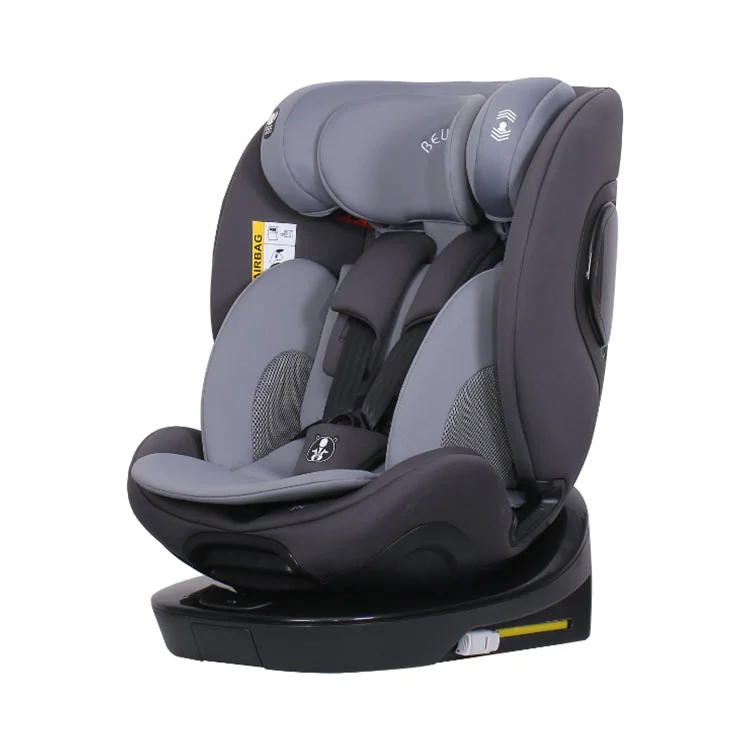
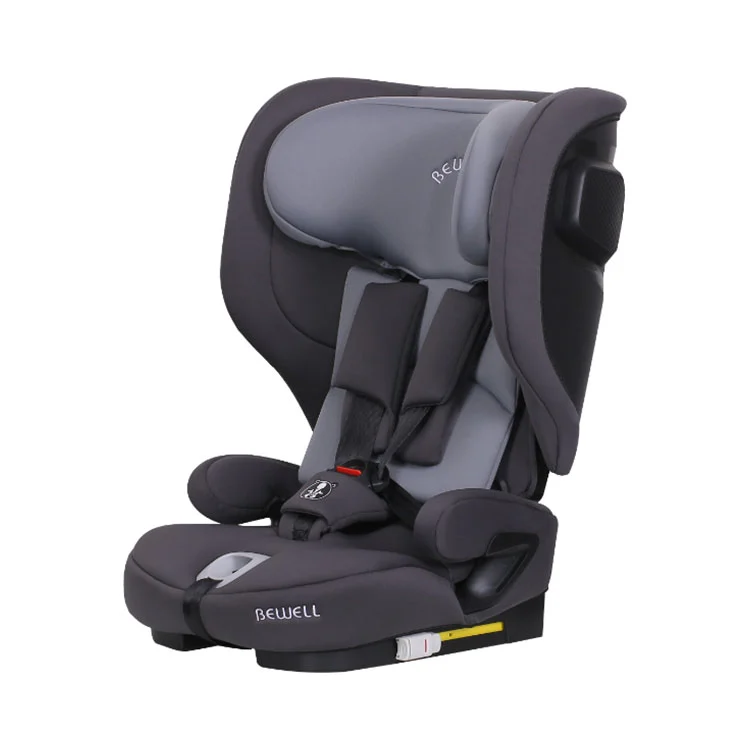
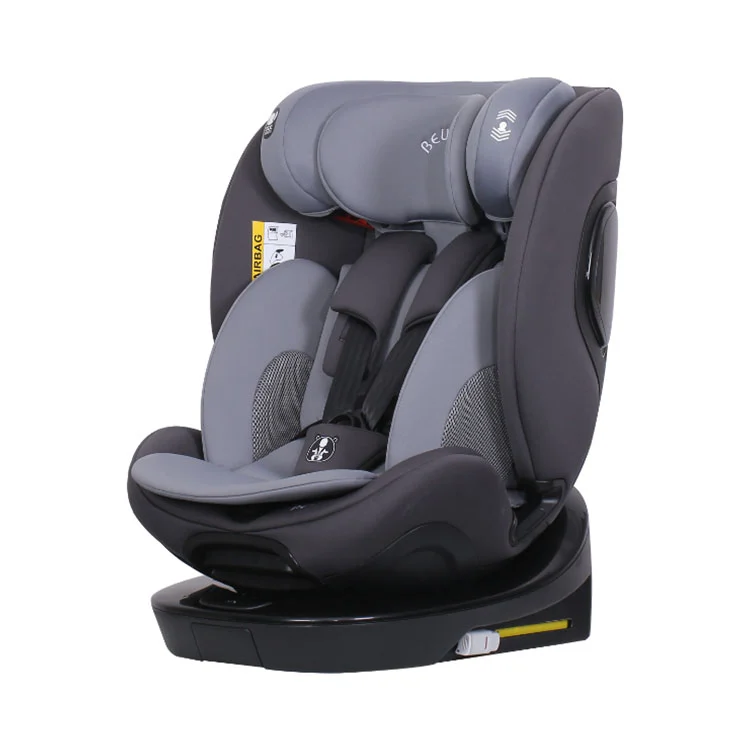
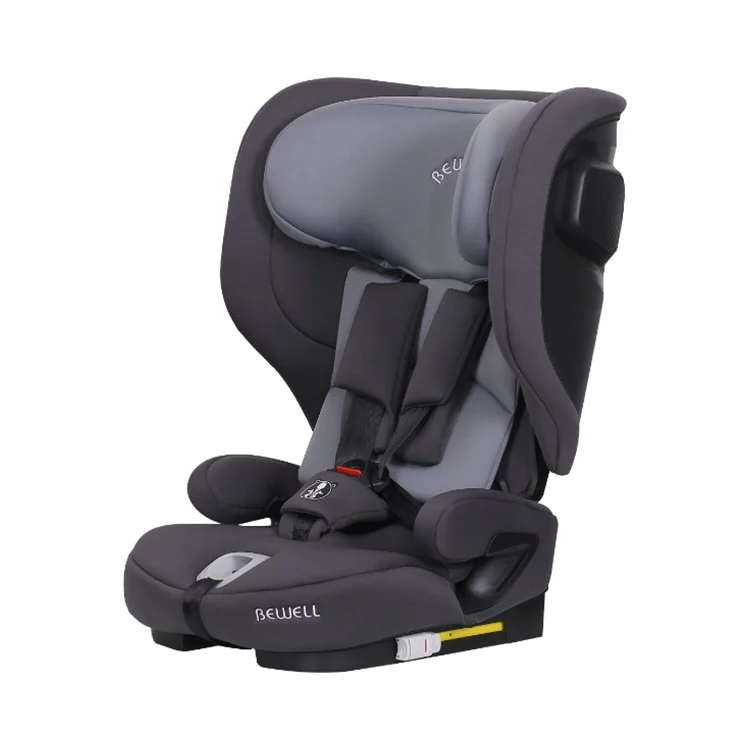
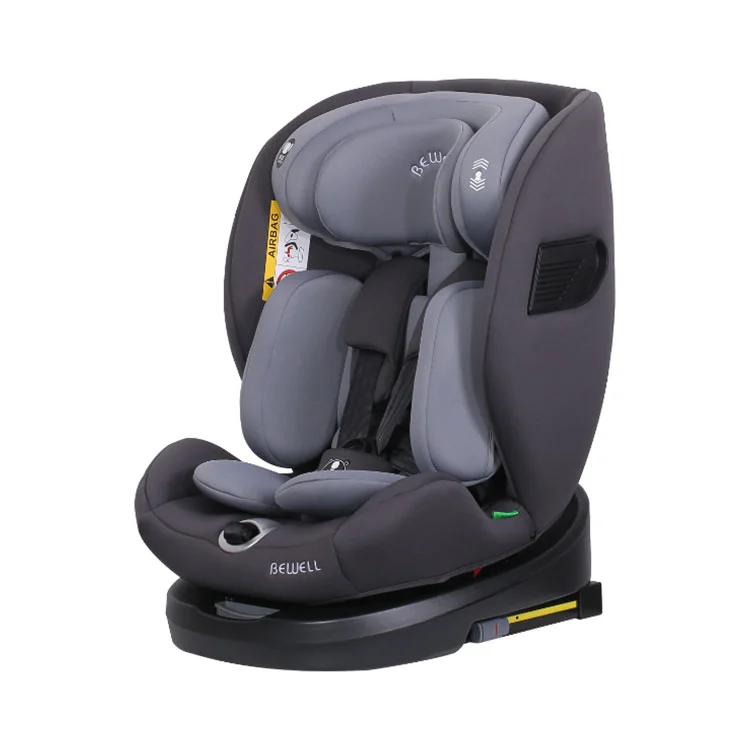
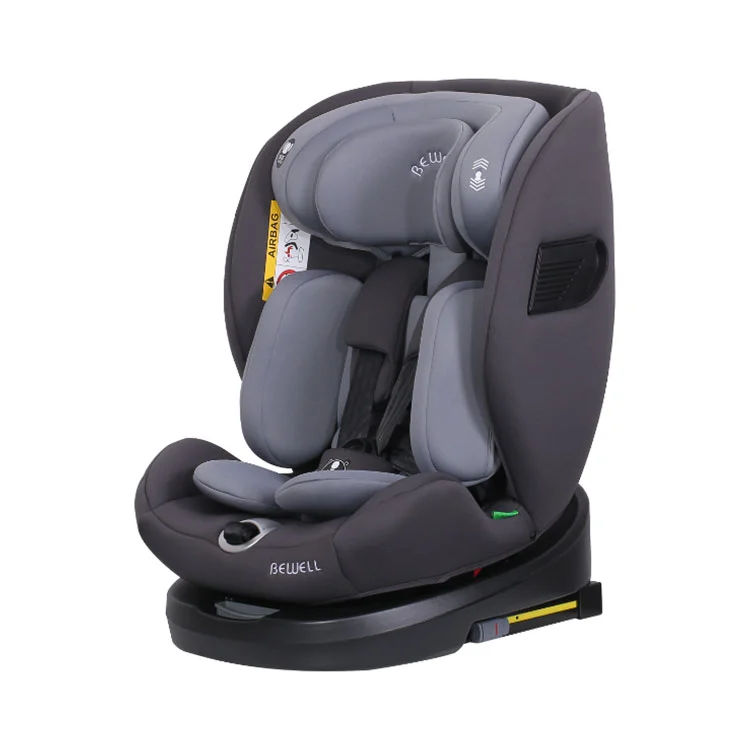
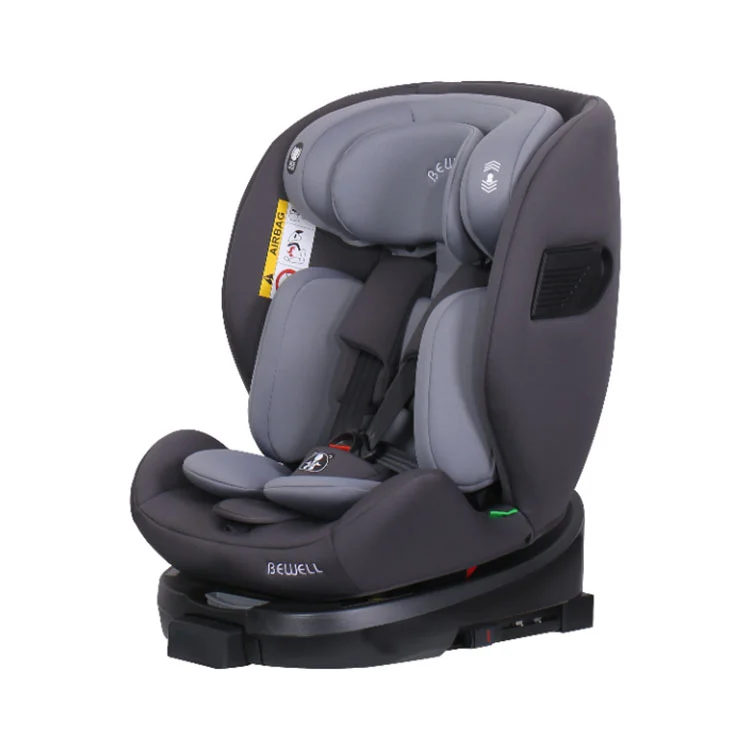
When babies first came to this world, their bodies were in a delicate state of adaptation. BEWELL’s Infant car seat is an important line of defense between the vulnerability and unpredictability of road travel. Unlike the standard child restraints designed for older children, baby car seats are specially designed for the anatomical reality of babies weighing about 12 months or 13 kg .
Compared with the strength of the neck, the head of the newborn is disproportionately big. Cartilage is dominates their cervical spine, and the muscles needed to stabilize the head during sudden slowdown don’t exist at all. In a head-on collision at a speed of 50 kilometers per hour, an unrestrained baby experienced the same force as falling from a three-story building. Child safety car seat for rear-facing installation distribute the impact force throughout the back, neck and head, instead of focusing the pressure on the underdeveloped neck area. Pediatric trauma studies have always shown that rear-facing positioning can reduce the risk of fatal injury to children under the age of two by more than 70%.
In addition to collision scenarios, the daily ergonomics of baby transport also need special solutions. Newborns need an inclination angle of 150 to 165 degrees to keep the airway open and prevent oxygen from being unsaturated when riding. The standard vehicle seat is specially designed for the upright posture of adults, creating a dangerous chin-to-chest positioning for babies. The specially manufactured infant car seat combines adjustable base angle and special newborn inserts, which can accommodate the lumbar spine while maintaining the correct head positioning. This attention to physiological details transforms routine pediatrician visits from risky travel to manageable journeys.
The Safety Architecture of Baby Car Seats in Modern
Contemporary infant car seat represent decades of biomechanical research and material science innovation. The shell structure usually uses high-density polyethylene or advanced energy-absorbing polymers to deform in a controlled manner during impact to extend the duration of the force, thus reducing the peak load transmitted to the occupants. This principle is called impulse management, which is the basis of occiper protection physics.
Side collision protection is another key area. Modern vehicles adopt a reinforced door structure, but when the T-bone collides, the side window area is still vulnerable to invasion. Good-quality child car seats are combined with an energy-absorbing foam layer in the head wing area, usually foamed polystyrene or foamed polypropylene. These materials will be crushed when impacted, converting kinetic energy into deformation work instead of passing it to the baby's skull and brain tissue. Some high-end models integrate aluminum reinforcement rods on both sides to prevent structural collapse while maintaining lightness and portability.
The seat belt system deserves special inspection. Child car seat with five-point harness system - protecting the shoulders, buttocks and crotch - are still the gold standard for baby restraint. This configuration can prevent the "submarine" effect, that is, the baby slips below the knee during the collision, and eliminates the risk of ejection. The seat belt webbing of high-quality seats is dynamically tested at a force of more than 10,000 Newtons to ensure that the strap can maintain structural integrity even under extreme loads without exceeding the safety limit.
The installation method significantly affects the performance in the real world. The ISOFIX installation system provides a strong protection during the travel. However, the interface between the baby carrier and its base also needs attention. Strong operator-to-base connections must allow one-handed release to facilitate parents, while maintaining zero-tolerance locking under collision conditions. The extension of the load leg supporting the vehicle floor further reduces the rotation movement during the frontal impact by up to 40%.
BEWELL: Redefine the barrier-free environment in high-quality baby safety
The baby car seat market covers a chaotic range from budget imports to European luxury brands. BEWELL occupies a unique position in this model, providing first-class security certificates at a price that respects the family budget. The company's manufacturing philosophy rejects the wrong shift between affordability and protection, but pursues excellent operation and cost reduction without affecting individual welds, seams or foam density specifications.
The production of BEWELL's baby car seats follows the triple verification protocol. Before entering the assembly line, the raw materials should be analyzed spectrally to confirm the polymer composition and tensile strength. During the manufacturing process, the automatic vision system will check the micron accuracy of each wire harness anchor point and shell weld. Then, the final product was subjected to an internal dynamic sled test, which more than the European ECE R129 standard by 15%, and the sample was subjected to faster speed and deceleration pulses than the regulatory minimum requirements. This obsessed quality architecture ensures that baby protective seats go through more verification steps on Monday morning than most aerospace components.
The economy of baby car seat is on the top of this market. Savings are directly translated into consumer benefits: families get a place through aerospace-grade harness webbing, medical equipment-grade shell polymers and automotive industry side shock tests. The investment level was previously related to entry-level products.
BEWELL'S design team is a rich experience team. The carrier handle contains an ergonomic pivot, which can reduce wrist fatigue during transportation from the vehicle to the stroller - in the daily transfer on the fifteenth day, parents who use competitor products quickly appreciated this detail. The roof system provides real UPF 50+ protection instead of decorative sunshades. It is recognized that even through the car window, the baby's retina and skin need medical-grade ultraviolet protection.
End
Infant car seats go beyond being classified as baby equipment; they are medical necessities for mobile families. The physiological vulnerability of the neonatal period - soft skull plate, underdevelopment of neck muscles and airway sensitivity - has created risk characteristics that cannot be completely eliminated by any parent' driving caution. Only specially designed, rigorously tested and correctly installed baby car seats can turn these vulnerabilities into manageable risk parameters. BEWELL is strict making control the quality of every baby car seat and ensuring every family will have a good experience.